




How to prevent razor burn for a flawless, high-performance shave?
Understanding Razor Burn and Its Impact
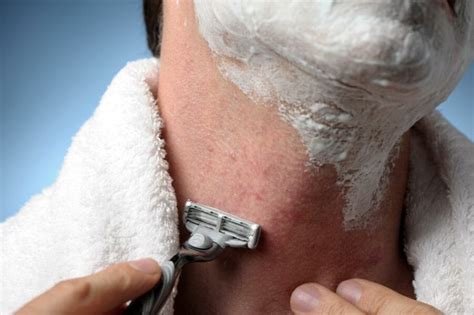
Razor burn is a common, irritating skin condition that many experience after shaving. Characterized by redness, tenderness, stinging, and sometimes bumps or ingrown hairs, it can turn a routine grooming task into a painful ordeal. Far from a sign of a close shave, razor burn indicates skin irritation, often due to improper technique or inadequate preparation. Preventing it is key to achieving a truly high-performance shave that leaves your skin feeling smooth and looking healthy, not inflamed.
The Crucial Pre-Shave Routine
The foundation of a flawless, burn-free shave begins before the blade even touches your skin. Proper preparation softens your hair and opens your pores, making for an easier, less irritating cut.
- Warm Water and Cleanse: Start with a hot shower or by washing your face with warm water and a gentle cleanser. This hydrates the stubble, making it softer and easier to cut, and removes dirt and oil that could clog your razor or irritate your skin.
- Exfoliate Gently: A mild exfoliant 1-2 times a week can help remove dead skin cells that might trap hairs, preventing ingrown hairs and allowing for a smoother razor glide.
- Apply Pre-Shave Oil: A good quality pre-shave oil creates a protective barrier between your skin and the blade, providing extra lubrication and further softening your beard.

Mastering Your Shaving Technique
Once your skin is prepped, your technique becomes paramount in avoiding razor burn. Rushing or using the wrong approach can lead to nicks, irritation, and discomfort.
- Use a Sharp Blade: A dull blade drags and pulls at hairs instead of cleanly cutting them, leading to irritation. Change your razor blade every 5-7 shaves, or at the first sign of discomfort.
- Lather Up Properly: Use a rich shaving cream or gel that creates a thick, lubricating lather. Apply it evenly, ensuring all hairs are fully coated and standing upright. Let it sit for a minute or two to further soften the stubble.
- Shave with the Grain: For most people, shaving with the grain (in the direction your hair grows) is the best way to prevent irritation. While shaving against the grain might offer a closer shave, it significantly increases the risk of razor burn and ingrown hairs. If you need a closer shave, consider a second pass across the grain, but never against it if you’re prone to irritation.
- Light Pressure and Short Strokes: Let the razor do the work. Applying too much pressure can cause the blade to dig into your skin. Use short, controlled strokes and rinse your razor frequently under hot water to clear away accumulated hair and shaving cream.

Essential Post-Shave Recovery
Your shave isn’t complete until you’ve properly cared for your skin afterwards. Post-shave care soothes, moisturizes, and protects your skin, minimizing the chances of developing razor burn.
- Rinse with Cold Water: After shaving, rinse your face thoroughly with cold water. This helps to close pores and soothe any potential irritation.
- Pat Dry, Don’t Rub: Gently pat your skin dry with a clean, soft towel. Rubbing can further irritate sensitive post-shave skin.
- Apply an Aftershave Balm: Skip alcohol-based aftershaves, which can dry out and sting your skin. Opt for a soothing, hydrating aftershave balm or moisturizer that contains ingredients like aloe vera, witch hazel, or chamomile to calm and nourish the skin.

Selecting Your Shaving Arsenal
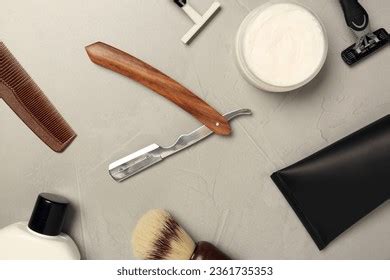
The tools and products you use play a significant role in your shaving experience and in preventing razor burn. Investing in quality items can make a big difference.
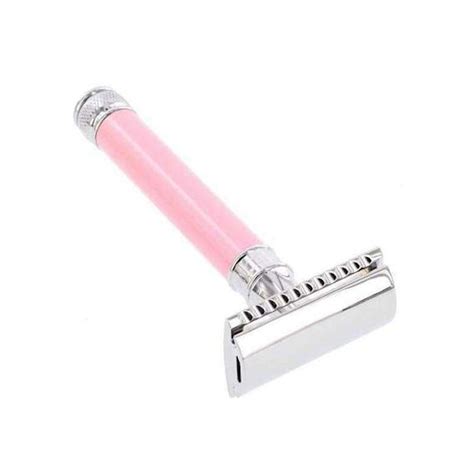
- Razor Type: While multi-blade razors are popular, some find them too aggressive, causing irritation. Consider experimenting with a safety razor, which uses a single, sharp blade and can offer a very close shave with less irritation once mastered.
- Quality Shaving Cream/Gel: Choose products designed to provide maximum lubrication and cushion. Look for ingredients that hydrate and protect, avoiding harsh chemicals or strong fragrances that can irritate sensitive skin.
- Aftershave Balm: As mentioned, prioritize non-alcoholic, hydrating balms. Many brands offer specialized products for sensitive skin.
Beyond the Blade: Lifestyle and Common Mistakes
Sometimes, razor burn can be exacerbated by other factors or simple mistakes that are easy to correct.
- Daily Moisturizing: Keeping your skin consistently hydrated, even on non-shaving days, helps maintain its elasticity and health, making it more resilient to the stresses of shaving.
- Blade Hygiene: Store your razor in a dry place to prevent bacterial growth and dulling of the blade.
- Avoid Dry Shaving: Never shave without proper lubrication and wet skin. Dry shaving is a guaranteed path to razor burn and nicks.
- Give Your Skin a Break: If you’re consistently experiencing severe razor burn, consider giving your skin a day or two to recover between shaves.
![7 Mistakes Men Make while Shaving [INFOGRAPHIC] - Infographic Plaza](/images/aHR0cHM6Ly90czQubW0uYmluZy5uZXQvdGg/aWQ9T0lQLmdGYnRocXgySjJ0d01KLWQwUEVXRXdIYVVLJnBpZD0xNS4x.webp)
Conclusion
Preventing razor burn for a flawless, high-performance shave is entirely achievable with the right approach. By committing to a thorough pre-shave routine, mastering your shaving technique, providing essential post-shave care, and choosing appropriate tools, you can transform shaving from a chore into a luxurious ritual. Embrace these practices, and say goodbye to redness and irritation, welcoming smooth, comfortable skin every time.