




How to optimize your shave to eliminate razor burn & ingrowns for a peak look?
Unlock the Secret to a Perfect Shave
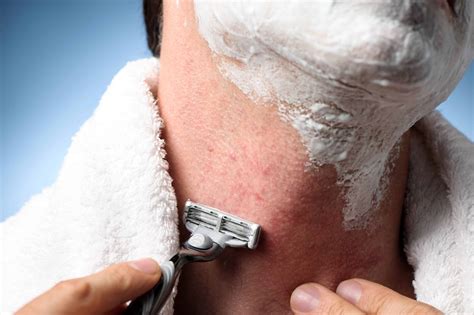
Achieving a consistently smooth, irritation-free shave that leaves your skin looking its best isn’t just about dragging a blade across your face; it’s an art and a science. Razor burn, red bumps, and painful ingrown hairs can plague even the most diligent groomer, diminishing confidence and making daily shaving a chore. But what if you could transform your shaving routine into a satisfying ritual that guarantees a peak look every time? This guide will walk you through the essential steps, from preparation to post-shave care, to eliminate these common woes and leave you with impeccably smooth skin.
Preparation: The Foundation of a Flawless Shave
The secret to a great shave begins long before the blade touches your skin. Proper preparation softens the hair, opens pores, and creates a protective barrier, drastically reducing friction and irritation.
- Exfoliate Gently: 1-2 times a week, use a mild facial scrub or an exfoliating brush to remove dead skin cells. This helps lift hairs and prevents them from getting trapped under the skin, a primary cause of ingrowns.
- Warm Water Immersion: Shave after a warm shower or by applying a hot, damp towel to your face for a few minutes. The heat and steam soften your beard hair, making it easier to cut, and open up your pores.
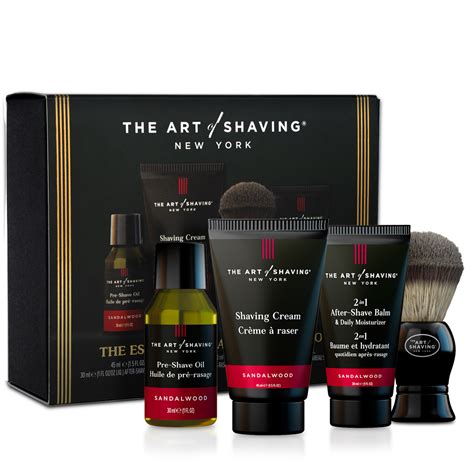
- Pre-Shave Oil: Apply a few drops of pre-shave oil to your skin. This creates an extra layer of lubrication between your skin and the blade, further protecting against nicks and reducing drag. Massage it in gently and allow it to absorb for a minute.

The Right Tools for the Job
Your shaving implements play a crucial role. Investing in quality tools and maintaining them properly is paramount for an optimal shave.
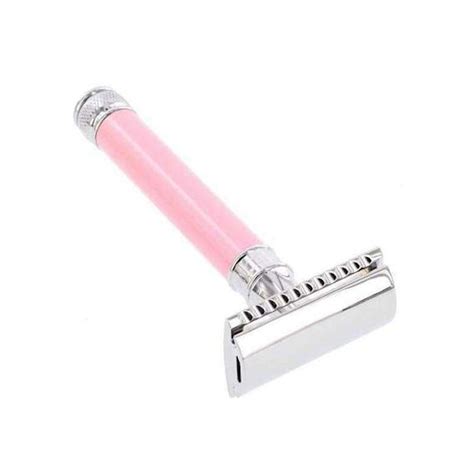
- Sharp Blade, Always: The single most important rule. A dull blade pulls and drags, causing irritation and increasing the likelihood of razor burn and ingrowns. Replace cartridge blades every 5-7 shaves (or sooner if you feel tugging). If using a safety razor, replace the blade after every 2-3 shaves for best results.
- Quality Shave Cream or Soap: Ditch the aerosol cans filled with propellants and opt for a rich, hydrating shave cream or soap. Look for ingredients like glycerin, shea butter, or essential oils. These create a dense lather that cushions the skin and allows the blade to glide effortlessly. Apply with a badger or synthetic brush for superior lather and to lift hairs.
Mastering Shaving Technique
With your skin prepped and tools ready, technique is the final piece of the puzzle. Hasty or incorrect shaving is a direct path to irritation.
Shave with the Grain First
Always start by shaving with the grain (in the direction your hair grows). This is the least irritating pass and will remove the majority of your stubble. For a closer shave, you can re-lather and perform a second pass across the grain (perpendicular to hair growth) or, if your skin can handle it, against the grain (in the opposite direction). Be extremely cautious with the against-the-grain pass, as it’s the most common cause of irritation and ingrowns.
Maintain light pressure; let the sharpness of the blade do the work. Pressing too hard causes the blade to dig into your skin. Rinse your razor frequently under hot water to clear away accumulated hair and product, ensuring a clean cutting surface.

Post-Shave Care: Soothe and Protect
What you do immediately after shaving is just as important as the shave itself for preventing irritation.
- Rinse with Cold Water: Splash your face with cold water. This helps close pores, soothe the skin, and remove any lingering shave cream.
- Apply Aftershave Balm: Skip alcohol-based aftershaves, which can dry out and irritate your skin. Instead, opt for a soothing, alcohol-free aftershave balm or lotion containing ingredients like aloe vera, witch hazel, or chamomile. This hydrates and calms the skin, reducing redness and inflammation.
- Moisturize Daily: Keeping your skin hydrated is crucial for preventing dryness and promoting healthy skin cell turnover. A good moisturizer helps keep hairs from getting trapped.
- Avoid Tight Clothing: If you’re prone to ingrowns in areas like the neck, avoid wearing tight collars immediately after shaving, as friction can exacerbate the problem.

Tackling Stubborn Ingrown Hairs
Even with the best routine, some individuals are more prone to ingrown hairs. If they do appear, resist the urge to pick or squeeze them, which can lead to infection and scarring.
- Gentle Exfoliation: Continue regular, gentle exfoliation to help free trapped hairs.
- Targeted Treatments: Products containing salicylic acid or glycolic acid can help dissolve dead skin cells and allow the hair to emerge. Apply these sparingly and according to instructions.
- Warm Compress: For stubborn ingrowns, a warm compress can help bring the hair closer to the surface.
Embrace Your Best Shave
Optimizing your shave is a journey, not a destination. By embracing these techniques and product choices, you’ll not only banish razor burn and ingrown hairs but also elevate your daily grooming routine. The result? A remarkably smooth, comfortable shave and a consistently peak look that radiates confidence. Be patient, experiment with products, and enjoy the transformative power of a truly optimized shave.