





How to optimize workout intensity for consistent muscle growth & peak performance?
Achieving consistent muscle growth and reaching peak athletic performance isn’t just about showing up; it’s about training smarter, not necessarily harder. The key lies in understanding and effectively optimizing your workout intensity. This isn’t solely about lifting the heaviest weight possible, but rather about manipulating various training variables to provide the optimal stimulus for adaptation, recovery, and continuous progress.
Understanding Workout Intensity
Workout intensity is a multifaceted concept that goes beyond simply the load on the bar. While heavy weights are a component, intensity also encompasses how close you train to failure, the speed of your repetitions, the density of your workout, and the amount of rest between sets. True optimization requires a holistic view of these elements.
For muscle growth (hypertrophy), the goal is to create sufficient mechanical tension, muscle damage, and metabolic stress. For peak performance, it’s about building strength, power, and endurance through progressive challenges. Finding the sweet spot means providing enough stimulus without leading to overtraining or injury.

The Science Behind Muscle Growth and Performance
Progressive Overload: The Golden Rule
At the core of all effective training programs for muscle growth and strength is progressive overload. This principle states that for muscles to grow and get stronger, they must be continually challenged with loads or demands greater than they are accustomed to. Without progressive overload, your body has no reason to adapt, leading to plateaus.
Stimulus and Adaptation
Every workout sends a signal to your body. When this signal is strong enough (i.e., sufficient intensity), your body adapts by increasing muscle size (hypertrophy) and strength to better handle future stressors. However, if the stimulus is too weak, adaptation won’t occur. If it’s too strong and recovery is insufficient, it can lead to overtraining, fatigue, and injury.
Key Variables to Manipulate Intensity
To truly optimize your intensity, you need to understand and strategically adjust the following variables:
Load (Weight)
This is the most common metric. Lifting heavier weights for the same number of repetitions is a direct form of progressive overload and increased intensity. Generally, higher loads (e.g., 1-5 reps) build maximal strength, while moderate loads (6-12 reps) are optimal for hypertrophy.
Repetitions in Reserve (RIR) & Rate of Perceived Exertion (RPE)
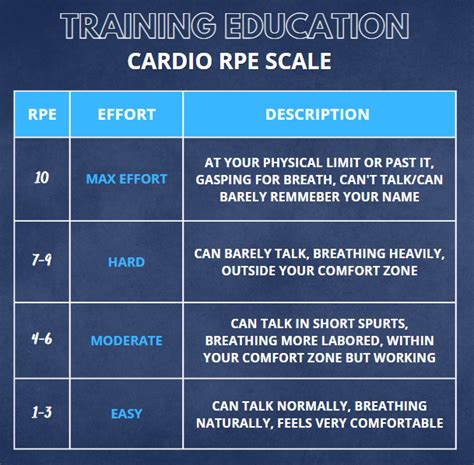
These are powerful tools for autoregulation, helping you gauge how close you are to muscular failure. RIR refers to how many more reps you could have performed before failure (e.g., 2 RIR means you could do 2 more reps). RPE is a scale (typically 1-10) reflecting how hard a set felt. Aiming for specific RIR/RPE targets (e.g., 1-3 RIR or 7-9 RPE for most working sets) ensures you’re training effectively without constantly going to absolute failure, which can be overly fatiguing.
Volume (Sets x Reps)
While often thought of separately, volume directly impacts intensity. Performing more sets and reps with a given load increases the overall work done and, by extension, the intensity of the session. There’s a sweet spot; excessive volume can lead to diminishing returns and hinder recovery.
Rest Periods
Shorter rest periods between sets increase metabolic stress and workout density, making the workout feel more intense. Longer rest periods (3-5 minutes) allow for better recovery, enabling you to lift heavier and perform more reps, which also contributes to intensity.
Tempo and Time Under Tension
Manipulating the speed of your reps can significantly alter intensity. Slowing down the eccentric (lowering) phase of a lift or pausing at peak contraction increases time under tension, placing greater stress on the muscle fibers and promoting growth.
Exercise Selection and Variation
Choosing compound movements (squats, deadlifts, presses) generally allows for heavier loads and more overall muscle activation, contributing to higher intensity. Incorporating variation strategically can also keep the stimulus fresh and prevent adaptation plateaus.

Implementing Intensity Optimization Strategies
Periodization and Deloading
To sustain progress and prevent burnout, implement periodization – cycling your training intensity and volume over time. This could involve blocks of higher intensity, lower volume work followed by periods of lower intensity, higher volume, or even dedicated deload weeks where intensity and volume are significantly reduced to allow for full recovery and supercompensation.
Listen to Your Body and Prioritize Recovery
No optimization strategy is complete without considering recovery. Overtraining can negate all your hard work. Pay attention to signs of fatigue, persistent soreness, decreased performance, and poor sleep. Ensure adequate sleep, nutrition (especially protein intake), and hydration. Active recovery, stretching, and mobility work also play crucial roles.

Tracking Progress
Keep a detailed workout log. Documenting your sets, reps, weights, RPE/RIR, and even how you felt during the workout provides invaluable data. This allows you to identify what’s working, make informed adjustments, and ensure you’re consistently applying progressive overload.
Conclusion
Optimizing workout intensity is an art and a science. It involves a continuous process of strategic manipulation of training variables, paying close attention to your body’s signals, and committing to progressive overload. By understanding and applying these principles, you can move beyond simply ‘working out’ to intelligently engineering your training for consistent muscle growth, enhanced strength, and sustained peak performance.