





How to optimize workout efficiency for maximal strength gains with limited time?
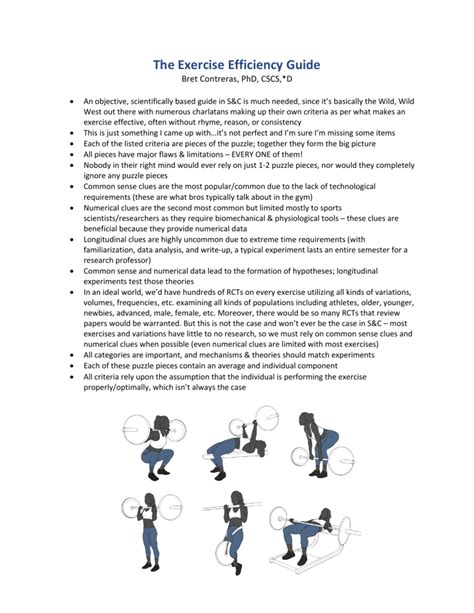
In our fast-paced world, finding sufficient time for comprehensive workouts can feel like an insurmountable challenge. Yet, the desire for maximal strength gains remains strong for many. The good news is that you don’t need endless hours in the gym to build impressive strength. By adopting a smart, efficient approach, you can make significant progress even with a packed schedule. This article will guide you through the principles and practical strategies to optimize your workouts for strength, ensuring every minute counts.
The Core Principles of Time-Efficient Strength Training
To truly maximize strength gains with limited time, it’s crucial to understand and apply fundamental principles that drive muscle adaptation and growth.
Prioritize Compound Movements
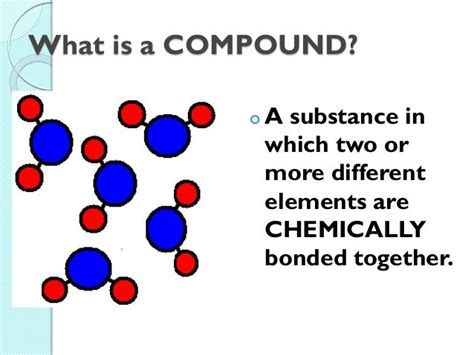
The cornerstone of any effective strength program, especially one with time constraints, is the strategic inclusion of compound exercises. These movements—such as squats, deadlifts, bench presses, overhead presses, and rows—work multiple muscle groups and joints simultaneously. This multi-joint engagement not only allows you to lift heavier weights, which is crucial for strength, but also makes your workouts incredibly efficient by stimulating more muscle in less time compared to isolation exercises.
Embrace Progressive Overload
Progressive overload is the undeniable driver of strength and muscle gain. Simply put, it means continually challenging your muscles to do more than they’re accustomed to. This could involve lifting heavier weight, performing more repetitions with the same weight, increasing time under tension, or reducing rest periods. Without progressive overload, your muscles have no reason to adapt and grow stronger. With limited time, focus on quality over quantity: ensure that each session aims to slightly improve upon the last in some measurable way.
Strategic Workout Design for Maximal Efficiency
How you structure your limited time in the gym can make all the difference. Smart design ensures you hit your goals effectively.
Focus on Intensity, Not Just Volume
When time is scarce, high-intensity training becomes your best friend. Instead of performing many sets with moderate weight, aim for fewer, heavier sets taken closer to muscular failure. This approach sends a powerful signal for strength adaptation without requiring extensive time. Concentrate on perfect form and truly challenging yourself within a reasonable rep range (e.g., 3-6 for pure strength, 6-10 for hypertrophy with strength benefits).

Implement Supersetting and Drop Sets Wisely
Supersets involve performing two exercises back-to-back with minimal rest in between. You can superset opposing muscle groups (e.g., bench press and bent-over rows) or non-competing exercises to save time while maintaining intensity. Drop sets involve performing a set to failure, then immediately reducing the weight and continuing for more reps. Both techniques are excellent for increasing workout density and metabolic stress, but use them judiciously to avoid overtraining, especially if your recovery is limited.
Optimize Rest Periods
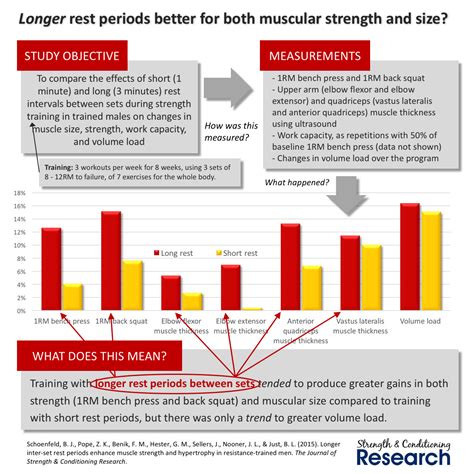
For strength training, adequate rest between sets is critical for full recovery of your central nervous system and ATP stores, allowing you to maintain high intensity for subsequent sets. While very short rest periods can be tempting for time-saving, they might compromise your ability to lift heavy. Aim for 2-3 minutes of rest for your heaviest compound lifts to ensure you can perform at your best. For isolation exercises or lighter sets, 60-90 seconds might suffice.
Beyond the Gym: Supporting Your Gains
What you do outside the gym is just as important as your time in it, especially when aiming for maximal gains with limited resources.
Nutrition: Fueling for Strength
Your body needs the right building blocks and energy to recover from intense workouts and build muscle. Prioritize a high-protein diet (around 1.6-2.2g per kg of body weight) to support muscle repair and growth. Ensure adequate complex carbohydrates for energy and healthy fats for hormonal balance. Staying properly hydrated is also non-negotiable for performance and recovery.
Recovery: The Unsung Hero
Strength is built not in the gym, but during recovery. With limited workout time, each session is highly impactful, making recovery even more crucial. Aim for 7-9 hours of quality sleep per night, manage stress effectively, and consider active recovery days (light walks, stretching) to improve blood flow and reduce muscle soreness. Overtraining, even with short workouts, can hinder progress if recovery isn’t prioritized.
Structured Planning and Tracking
Don’t just walk into the gym without a plan. Have a clear, structured workout routine that outlines your exercises, sets, reps, and target weights. Track your progress meticulously. A simple notebook or an app can help you record your lifts, ensuring you’re progressively overloading and making tangible improvements over time. This accountability is vital for staying on track and recognizing where adjustments might be needed.

Conclusion
Achieving maximal strength gains with limited time is not only possible but highly rewarding. By focusing on core principles like compound movements and progressive overload, designing your workouts strategically for intensity, and diligently supporting your efforts with proper nutrition and recovery, you can build a robust, powerful physique. Remember, consistency and intelligent effort trump endless hours. Make every minute count, and watch your strength soar.