




How to optimize protein intake for muscle growth & faster recovery?

The Crucial Role of Protein in Muscle Development and Repair
Protein is a foundational macronutrient, indispensable for anyone looking to build muscle, enhance strength, and accelerate recovery. Far more than just a component of healthy eating, it’s the building block of life, playing a central role in nearly every bodily function. For those engaged in regular physical activity, particularly strength training, understanding how to optimize protein intake isn’t just beneficial—it’s essential for achieving peak performance and physical development.
When you exercise, especially lifting weights, you create microscopic tears in your muscle fibers. Protein provides the amino acids necessary to repair these tears, leading to stronger, larger muscles. It also supports numerous other critical functions, including enzyme production, hormone regulation, and immune system health. Without adequate protein, your body struggles to repair damaged tissues, making muscle growth stagnant and recovery prolonged.
How Much Protein Do You Really Need?
The age-old question of ‘how much protein?’ often generates varying answers, but scientific consensus has converged on practical guidelines for active individuals. General dietary guidelines suggest around 0.8 grams of protein per kilogram of body weight for sedentary adults. However, for those aiming for muscle growth or faster recovery, these recommendations significantly increase.
- For Muscle Growth (Hypertrophy): Research suggests an intake of 1.6 to 2.2 grams of protein per kilogram of body weight per day is optimal. For an individual weighing 70 kg, this translates to roughly 112-154 grams of protein daily.
- For Strength Athletes/Heavy Training: Some athletes may benefit from even higher intakes, up to 2.5 grams per kilogram, particularly during intense training phases or caloric deficits, to preserve lean muscle mass.
- Factors Influencing Needs: Your individual needs can vary based on your training intensity, age, gender, body composition goals, and overall caloric intake. Older adults, for instance, may require slightly more protein to counteract age-related muscle loss (sarcopenia).
The Importance of Protein Timing and Distribution
While total daily protein intake is paramount, how you distribute that protein throughout the day can also play a significant role in maximizing muscle protein synthesis (MPS) and recovery. The concept of an ‘anabolic window’ immediately post-workout has evolved; while not as narrow as once thought, consuming protein around your workouts remains beneficial.
Strategic Protein Consumption:
- Even Distribution: Aim to consume protein in multiple meals throughout the day (e.g., 4-6 meals), with each meal containing 20-40 grams of protein. This steady supply of amino acids helps maintain elevated MPS rates.
- Pre-Workout: A meal containing protein and carbohydrates 1-3 hours before training can prepare your muscles for activity and help prevent excessive muscle breakdown.
- Post-Workout: While the ‘window’ is wider, consuming protein within a few hours after training remains important for initiating repair and growth processes. A combination of fast-acting protein (like whey) and carbohydrates is often recommended.
- Before Bed: Consuming a slow-digesting protein, such as casein (found in dairy), before sleep can provide a sustained release of amino acids overnight, supporting recovery and reducing muscle breakdown while you rest.
Quality Matters: Choosing Your Protein Sources
Not all protein is created equal. The quality of your protein sources refers to their amino acid profile and digestibility. High-quality proteins, often called ‘complete proteins,’ contain all nine essential amino acids that your body cannot produce on its own.
Excellent Protein Sources:
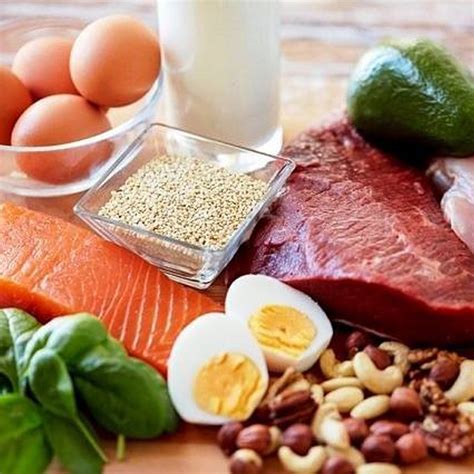
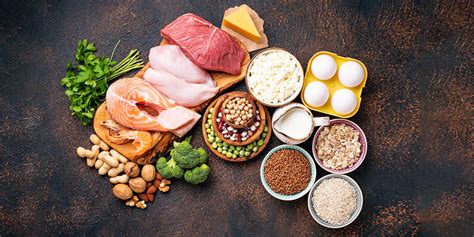
- Animal-Based: These are typically complete proteins and include lean meats (chicken breast, turkey, lean beef), fish (salmon, tuna), eggs, dairy products (milk, yogurt, cottage cheese), and whey/casein protein supplements.
- Plant-Based: While many individual plant proteins are incomplete, a well-planned plant-based diet can provide all essential amino acids. Good sources include soy (tofu, tempeh, edamame), quinoa, lentils, beans, chickpeas, nuts, seeds, and various plant-based protein powders (pea, rice, hemp). Combining different plant protein sources throughout the day (e.g., rice and beans) ensures a complete amino acid profile.
Practical Strategies for Optimizing Intake
Integrating optimal protein intake into your daily routine doesn’t have to be complicated. With a few strategic adjustments, you can easily meet your goals.

- Meal Planning: Plan your meals and snacks in advance to ensure each includes a substantial protein component.
- Smart Snacking: Opt for protein-rich snacks like Greek yogurt, cottage cheese, a handful of almonds, hard-boiled eggs, or a protein shake.
- Utilize Supplements Wisely: Protein powders (whey, casein, plant-based) can be convenient and effective tools to meet your daily protein targets, especially around workouts or when whole food options are unavailable. They are supplements, not meal replacements.
- Prioritize Protein at Meals: Make protein the focal point of your main meals, ensuring you get adequate servings of meat, fish, eggs, or legumes.
Common Protein Mistakes to Avoid
Even with good intentions, some common pitfalls can hinder your progress:
- Underestimating Needs: Many active individuals simply don’t consume enough protein for their activity level and goals. Track your intake for a few days to get an accurate picture.
- Irregular Distribution: Consuming most of your protein in one or two large meals can be less effective than spreading it out throughout the day.
- Neglecting Overall Diet: Protein is crucial, but it’s part of a larger nutritional puzzle. Ensure you’re also consuming adequate carbohydrates for energy and healthy fats for hormonal function.
- Over-reliance on Supplements: While useful, whole food sources provide additional micronutrients and fiber that supplements often lack.
Conclusion
Optimizing protein intake is a cornerstone of any effective strategy for muscle growth and faster recovery. By focusing on adequate daily quantity (1.6-2.2 g/kg body weight), strategic timing and even distribution throughout the day, and selecting high-quality protein sources, you can significantly enhance your body’s ability to repair, adapt, and build stronger muscles. Remember that consistency and a holistic approach to nutrition, including carbohydrates and healthy fats, will always yield the best long-term results.