

How to optimize HIIT for maximum fat loss and peak endurance?
Understanding the Power of HIIT for Fat Loss and Endurance
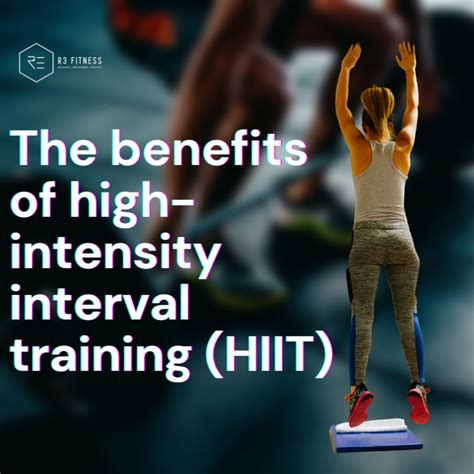
High-Intensity Interval Training (HIIT) has revolutionized the fitness world, celebrated for its efficiency in simultaneously torching fat and building formidable endurance. Unlike steady-state cardio, HIIT involves short bursts of intense anaerobic exercise followed by brief, often active, recovery periods. This training method not only burns a significant amount of calories during the workout but also triggers the ‘afterburn effect’ (EPOC – Excess Post-exercise Oxygen Consumption), where your body continues to burn calories at an elevated rate for hours afterward.
For endurance, HIIT challenges your cardiovascular system to adapt quickly, improving your VO2 max and overall stamina. But simply ‘doing’ HIIT isn’t enough; optimizing your approach is key to unlocking its maximum benefits.
Strategic Programming: Work-to-Rest Ratios and Exercise Selection
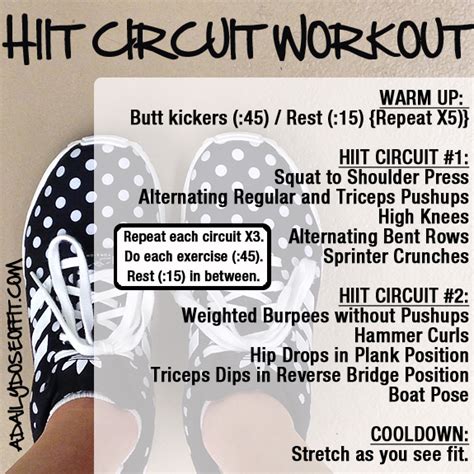
The core of optimized HIIT lies in its programming. The work-to-rest ratio is paramount. For fat loss, a common and effective ratio is 1:1 or 2:1 (e.g., 30-45 seconds of work followed by 30 seconds of rest). For endurance, you might lean towards slightly longer work intervals or shorter rest periods to continually challenge your cardiovascular system. Experiment with ratios like 40:20 (work:rest) or even 20:10 (Tabata style) for different stimuli.
Exercise Selection for Impact
- For Fat Loss: Prioritize compound movements that engage multiple muscle groups and elevate your heart rate quickly. Think burpees, jump squats, mountain climbers, kettlebell swings, and sprints (running or cycling).
- For Endurance: Include exercises that maintain a high heart rate throughout the work interval, such as battle ropes, rowing, cycling, or treadmill sprints. Bodyweight circuits can also be incredibly effective.
Progressive Overload and Periodization
To continue seeing results, your body needs to be progressively challenged. This concept, known as progressive overload, is crucial in HIIT. It doesn’t always mean lifting heavier; it can involve:
- Increasing the duration of your work intervals.
- Decreasing the duration of your rest intervals.
- Increasing the number of rounds or sets.
- Improving the intensity or speed of your movements.
- Introducing more complex or challenging exercises.
Periodization – varying your training focus over time – can also be beneficial. For instance, spend a month focusing more on fat loss (higher work-to-rest, compound movements), then transition to a period emphasizing endurance (longer work intervals, shorter rests, aerobic-focused movements).
The Critical Role of Nutrition and Recovery
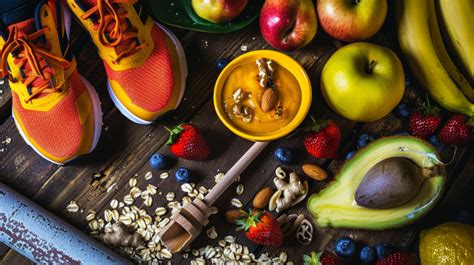
No matter how perfectly structured your HIIT sessions are, neglecting nutrition and recovery will severely limit your results. For maximum fat loss, a caloric deficit is necessary, but it must be achieved through a balanced diet rich in protein, healthy fats, and complex carbohydrates. Protein is especially important for muscle repair and satiety.
Recovery is where your body adapts and gets stronger. Ensure adequate sleep (7-9 hours), consider active recovery (light walks, stretching), and incorporate mobility work. Overtraining with HIIT can lead to diminishing returns, increased injury risk, and hormonal imbalances. Limit intense HIIT sessions to 2-4 times per week, allowing for rest days or lower-intensity activity in between.

Tracking Progress and Listening to Your Body
Consistent tracking of your workouts, including duration, intensity, and perceived exertion, can provide valuable insights into your progress. Use metrics like heart rate monitors to ensure you’re hitting the high-intensity zones (typically 80-95% of your maximum heart rate) during work intervals. However, equally important is listening to your body. Some days you might feel stronger, others less so. Adapt your workout accordingly, pushing when you can and backing off when necessary to prevent burnout or injury.
By strategically implementing these optimization techniques – from intelligent programming and progressive overload to meticulous nutrition and recovery – you can transform your HIIT routine into a powerful engine for achieving both maximum fat loss and peak endurance.