




How to optimize deep sleep for male recovery & cognitive performance?

For men, the pursuit of peak physical recovery and sharp cognitive performance often focuses on diet, exercise, and mental training. However, one fundamental pillar frequently overlooked is deep sleep. This critical stage of non-REM sleep is a powerhouse for the male body and brain, playing an indispensable role in everything from muscle repair and hormone regulation to memory consolidation and emotional stability.
Understanding Deep Sleep and Its Male-Specific Importance
Deep sleep, scientifically known as NREM Stage 3 or slow-wave sleep, is the period when your brain waves slow significantly, and it becomes harder to wake you. It’s during this phase that the body undertakes its most profound restorative work. For men, this translates into several crucial benefits:
- Physical Repair and Growth: Deep sleep is when growth hormone (HGH) is predominantly released, vital for muscle repair, tissue regeneration, and fat metabolism. Insufficient deep sleep can hinder post-workout recovery and muscle development.
- Hormonal Balance: It plays a key role in regulating testosterone levels. Chronic deep sleep deprivation can lead to lower testosterone, impacting energy, libido, and mood.
- Cognitive Function: The brain actively consolidates memories and processes information during deep sleep, crucial for learning, problem-solving, and overall cognitive acuity. It also aids in clearing metabolic waste products that accumulate in the brain throughout the day.
- Immune System Support: A robust immune system relies on adequate deep sleep to produce cytokines, proteins that combat inflammation and infection.

Strategies to Maximize Your Deep Sleep Quality
Optimizing deep sleep requires a holistic approach, addressing lifestyle, environment, and daily habits. Here are actionable strategies for men:
1. Establish a Consistent Sleep Schedule
Your body thrives on routine. Going to bed and waking up at the same time every day, even on weekends, helps regulate your circadian rhythm, making it easier for your body to enter deep sleep stages naturally. Aim for 7-9 hours of quality sleep per night.
2. Optimize Your Sleep Environment
Create a sanctuary conducive to rest:
- Darkness: Block out all light. Even small amounts can disrupt melatonin production. Consider blackout curtains or a sleep mask.
- Cool Temperature: The ideal sleep temperature is typically between 60-67°F (15-19°C). A cooler room facilitates the body’s natural drop in core temperature needed for deep sleep.
- Quiet: Minimize noise distractions with earplugs, a white noise machine, or a fan.
- Comfort: Invest in a supportive mattress and pillows.
3. Dietary Adjustments and Hydration
- Limit Stimulants: Avoid caffeine and nicotine, especially in the afternoon and evening.
- Alcohol Moderation: While alcohol can make you feel drowsy, it disrupts sleep architecture, reducing deep sleep and REM sleep.
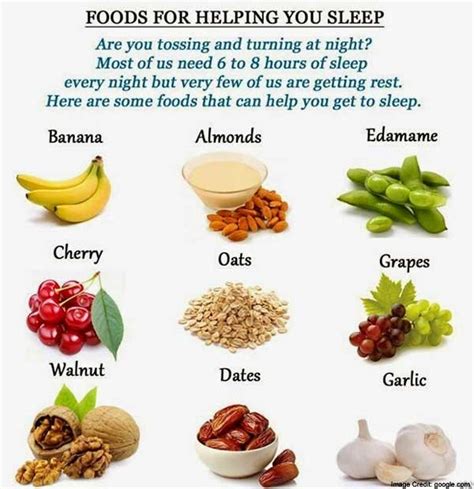
- Balanced Meals: Avoid heavy meals close to bedtime. Opt for a light, protein-rich snack if hungry. Foods rich in magnesium (leafy greens, nuts), zinc (seeds, legumes), and tryptophan (turkey, eggs) can support sleep.
- Stay Hydrated: Drink plenty of water throughout the day, but reduce intake close to bedtime to avoid nighttime bathroom trips.
4. Cultivate a Relaxing Evening Routine
Signal to your body that it’s time to wind down:
- Digital Detox: Avoid screens (phones, tablets, computers, TVs) for at least an hour before bed. The blue light emitted can suppress melatonin.
- Relaxation Techniques: Practice meditation, deep breathing exercises, gentle stretching, or read a book.
- Warm Bath or Shower: A warm bath can help lower your core body temperature afterward, promoting sleepiness.
5. Exercise Regularly, but Smartly
Consistent physical activity promotes deeper sleep. However, intense workouts too close to bedtime can be stimulating. Aim to finish vigorous exercise at least 3-4 hours before you plan to sleep.

6. Leverage Natural Light Exposure
Exposing yourself to bright natural light in the morning helps regulate your circadian rhythm. Conversely, dimming lights in the evening helps prepare your body for sleep.
Addressing Potential Deep Sleep Disruptors
If you’re consistently struggling with sleep despite implementing these strategies, consider underlying issues:
- Sleep Disorders: Conditions like sleep apnea (where breathing repeatedly stops and starts) or restless legs syndrome can severely impact deep sleep. Consult a doctor if you suspect a sleep disorder.
- Stress and Anxiety: Chronic stress can keep your nervous system on high alert. Incorporate stress-management techniques throughout your day.
- Medications: Certain medications can interfere with sleep. Review your prescriptions with your healthcare provider.

Conclusion
Optimizing deep sleep isn’t just about feeling less tired; it’s a foundational element for male physical recovery, hormonal health, and peak cognitive performance. By committing to consistent sleep hygiene, creating an optimal sleep environment, making smart lifestyle choices, and addressing potential disruptors, men can unlock the profound restorative benefits of deep sleep and enhance their overall well-being. Prioritize your sleep, and you’ll likely see improvements across all facets of your health and daily life.