




How to naturally optimize T-levels for peak male performance & energy?

Testosterone, often hailed as the cornerstone of male vitality, plays a crucial role far beyond just muscle mass and sex drive. Optimal T-levels are fundamental for maintaining energy, mood stability, cognitive function, bone density, and overall metabolic health. While synthetic solutions exist, a growing body of evidence points towards natural, sustainable methods for optimizing this vital hormone. This article delves into actionable strategies to help men naturally elevate their testosterone for peak performance and unwavering energy.
The Cornerstone of Diet: Fueling T-Production
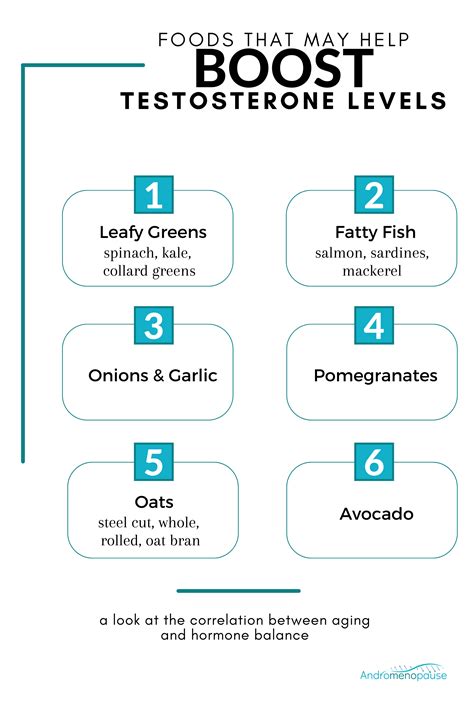
What you eat directly impacts your hormonal balance. To support healthy testosterone levels, focus on a diet rich in whole, unprocessed foods. Incorporate plenty of healthy fats from sources like avocados, nuts, seeds, and olive oil, as cholesterol is a precursor to testosterone. Ensure adequate intake of zinc (found in oysters, red meat, and beans) and Vitamin D (from fatty fish, fortified foods, and sunlight exposure), both critical for testosterone synthesis.
Conversely, minimize intake of processed foods, refined sugars, and excessive alcohol, which can negatively impact hormone regulation and contribute to inflammation. A balanced intake of protein, complex carbohydrates, and healthy fats is key.

Exercise Smart: Build Strength, Not Stress
Regular physical activity is a potent natural testosterone booster. Focus on compound movements and resistance training that engage large muscle groups, such as squats, deadlifts, bench presses, and rows. High-Intensity Interval Training (HIIT) has also shown promise in elevating T-levels. Aim for 3-4 strength training sessions per week, allowing for adequate recovery.
However, avoid chronic overtraining and excessive endurance exercise, which can lead to increased cortisol (a stress hormone) and subsequently suppress testosterone. Listen to your body and prioritize proper form and recovery.

Prioritize Sleep: The Nightly Recharge
Sleep is arguably one of the most underrated factors in hormonal health. Most testosterone production occurs during deep sleep cycles. Chronic sleep deprivation can significantly decrease T-levels. Aim for 7-9 hours of high-quality, uninterrupted sleep per night.
Implement good sleep hygiene practices: establish a consistent sleep schedule, create a dark and cool bedroom environment, avoid screens an hour before bed, and limit caffeine and heavy meals late in the evening. Quality sleep allows your body the essential time it needs to repair, regenerate, and produce vital hormones.

Manage Stress: Tame the Cortisol Beast
In today’s fast-paced world, chronic stress is rampant, and its impact on testosterone cannot be overstated. When stressed, your body releases cortisol, which has an inverse relationship with testosterone; as cortisol rises, T-levels tend to fall. Implementing effective stress management techniques is crucial.
Incorporate practices like meditation, deep breathing exercises, yoga, spending time in nature, or engaging in hobbies that bring you joy. Reducing chronic stress helps keep cortisol in check, creating a more favorable environment for testosterone production.

Supportive Lifestyle Choices and Key Nutrients
Beyond the core pillars, several lifestyle choices and key nutrients can further support optimal testosterone levels. Maintain a healthy body weight, as excess body fat, particularly around the waist, can convert testosterone into estrogen. Limit exposure to endocrine-disrupting chemicals found in plastics and certain personal care products.
While the focus is natural, ensuring sufficient intake of essential micronutrients like Vitamin D, Zinc, and Magnesium through diet or targeted supplementation (under guidance) can be beneficial. Certain adaptogens, like Ashwagandha, have also shown promise in stress reduction and, consequently, testosterone support.

Conclusion
Optimizing testosterone naturally is not a quick fix but a holistic commitment to a healthy lifestyle. By consistently focusing on a nutrient-rich diet, smart exercise, adequate sleep, effective stress management, and mindful lifestyle choices, men can significantly enhance their T-levels. This natural approach not only boosts performance and energy but also contributes to overall well-being, paving the way for a healthier, more vibrant life.