




How to naturally boost testosterone for peak strength, energy, and cognitive function?
Testosterone, often hailed as the king of male hormones, plays a critical role far beyond just muscle mass and libido. It influences your energy levels, mood, cognitive function, bone density, and overall vitality. While synthetic interventions exist, a powerful and sustainable approach lies in harnessing natural methods to optimize your body’s own testosterone production. This comprehensive guide will explore evidence-based strategies to naturally elevate your testosterone for peak physical and mental performance.

Understanding Testosterone’s Multifaceted Role
Before diving into boosting methods, it’s crucial to understand why testosterone is so vital. It’s not just about building big muscles; healthy testosterone levels contribute to a robust metabolism, cardiovascular health, motivation, and even emotional stability. A decline can lead to fatigue, reduced muscle mass, increased body fat, brain fog, and a diminished sense of well-being. By understanding its impact, you can better appreciate the holistic benefits of natural optimization.
Dietary Foundations for Robust Testosterone Production
What you eat forms the bedrock of your hormonal health. Specific nutrients and food groups are indispensable for testosterone synthesis:
Essential Nutrients and Foods
- Zinc-Rich Foods: Zinc is a vital mineral for testosterone production. Incorporate foods like oysters, red meat, poultry, beans, nuts, and whole grains into your diet.
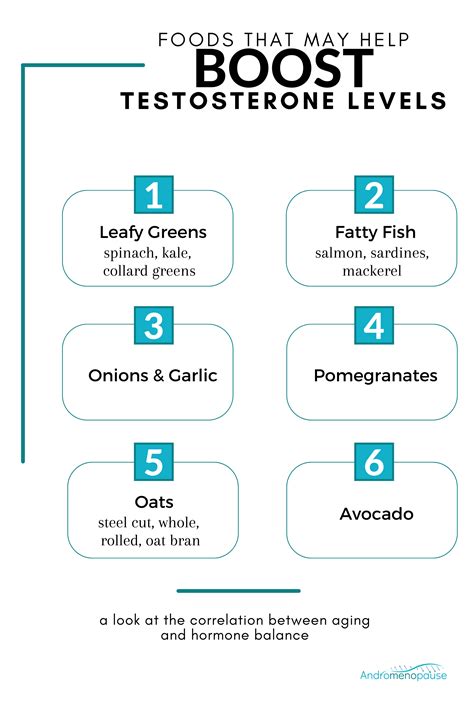
- Vitamin D: Often called the ‘sunshine vitamin,’ Vitamin D acts as a steroid hormone in the body and is strongly linked to testosterone levels. Aim for safe sun exposure and consume fatty fish (salmon, mackerel), fortified dairy, or consider a high-quality supplement after consulting a doctor.
- Healthy Fats: Don’t shy away from healthy fats! Monounsaturated and polyunsaturated fats (found in avocados, olive oil, nuts, seeds, and fatty fish) are crucial precursors for hormone synthesis. Saturated fats in moderation from quality sources can also be beneficial.
- Protein Power: Adequate protein intake supports overall muscle maintenance and growth, which indirectly aids testosterone. Focus on lean meats, poultry, fish, eggs, and plant-based proteins.
- Cruciferous Vegetables: Broccoli, cauliflower, cabbage, and Brussels sprouts contain compounds like indole-3-carbinol, which help your body excrete excess estrogen, thereby promoting a healthier testosterone-to-estrogen balance.

Strategic Exercise for Hormonal Health
Exercise is a powerful natural testosterone booster, but not all workouts are created equal for this purpose.
Prioritize Strength Training
Lifting heavy weights, particularly compound movements like squats, deadlifts, bench presses, and overhead presses, has been shown to significantly elevate testosterone levels. Focus on progressive overload, meaning gradually increasing the weight or resistance over time, and ensure proper form to maximize benefits and prevent injury.
Incorporate High-Intensity Interval Training (HIIT)
Short bursts of intense exercise followed by brief recovery periods can also stimulate testosterone release. HIIT improves cardiovascular health and can be an efficient way to boost hormones alongside strength training.

The Power of Quality Sleep
Sleep deprivation is a silent killer of testosterone. Studies show that even a week of restricted sleep can significantly drop testosterone levels in young, healthy men. Aim for 7-9 hours of high-quality sleep per night. Establish a consistent sleep schedule, optimize your bedroom environment (dark, cool, quiet), and limit screen time before bed to improve sleep architecture.
Mastering Stress and Cortisol
Chronic stress leads to elevated cortisol levels. Cortisol and testosterone have an inverse relationship: when cortisol goes up, testosterone often goes down. Implement stress-reduction techniques such as meditation, deep breathing exercises, yoga, spending time in nature, or engaging in hobbies you enjoy. Managing stress is crucial for maintaining hormonal balance.

Lifestyle Tweaks for Optimal Levels
- Limit Alcohol Consumption: Excessive alcohol intake can directly interfere with testosterone production and increase estrogen. Moderate consumption is key.
- Avoid Endocrine Disruptors: Be mindful of exposure to chemicals like BPA (in plastics), phthalates, and parabens found in many everyday products, as they can mimic estrogen and disrupt hormone balance.
- Maintain a Healthy Weight: Excess body fat, particularly around the abdomen, can lead to higher estrogen levels and lower testosterone. Losing weight through diet and exercise often results in increased testosterone.
Consider Targeted Supplements (with Caution)
While diet and lifestyle are paramount, certain supplements may offer additional support, but always consult with a healthcare professional before starting any new supplement regimen:
- Ashwagandha: This adaptogenic herb has shown promise in reducing stress (and thus cortisol) and improving testosterone levels, particularly in stressed or infertile men.
- Fenugreek: Some studies suggest fenugreek can help boost free and total testosterone levels, leading to improvements in strength and libido.
- DHEA: Dehydroepiandrosterone (DHEA) is a hormone produced by the adrenal glands that serves as a precursor to testosterone. Supplementation should only be considered under strict medical supervision.

Conclusion
Boosting testosterone naturally is a holistic endeavor that integrates sound nutrition, targeted exercise, restorative sleep, and effective stress management. By committing to these lifestyle changes, you can optimize your body’s innate ability to produce testosterone, leading to enhanced strength, sustained energy, improved cognitive function, and an overall elevated quality of life. Consistency is key, and remember that these natural strategies offer a sustainable path to peak health without relying on synthetic interventions.