




How to naturally boost testosterone for peak male vitality & performance?

Testosterone, often hailed as the cornerstone of male health, plays a pivotal role in far more than just libido. It’s essential for muscle growth, bone density, mood regulation, energy levels, and even cognitive function. As men age, testosterone levels naturally decline, but modern lifestyles, stress, and poor habits can accelerate this process, leading to symptoms like fatigue, weight gain, reduced sex drive, and decreased performance.
Fortunately, you don’t always need pharmaceutical interventions to optimize your levels. A holistic approach focusing on diet, exercise, lifestyle, and stress management can significantly impact your natural testosterone production, helping you reclaim peak vitality and performance.
Understanding Testosterone’s Role in Male Health
Before diving into specific strategies, it’s crucial to grasp why maintaining healthy testosterone levels is so important. Beyond the common understanding of its impact on sexual health, optimal testosterone contributes to a robust metabolism, cardiovascular health, mental clarity, and overall well-being. Low testosterone (Low T) can manifest in various ways, from persistent fatigue and difficulty building muscle to mood swings and a diminished quality of life.

Optimize Your Diet for Testosterone Production
What you eat directly impacts your body’s ability to produce hormones. Focus on a nutrient-dense diet rich in whole foods:
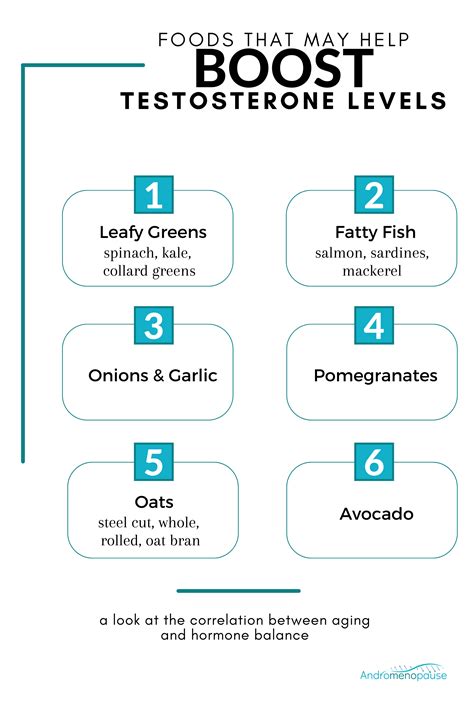
- Healthy Fats: Cholesterol is a precursor to testosterone. Include sources like avocados, nuts, seeds, olive oil, and fatty fish (salmon, mackerel) rich in omega-3s.
- Protein: Essential for muscle building and hormone synthesis. Lean meats, eggs, dairy, and legumes are excellent choices.
- Micronutrients:
- Zinc: Crucial for testosterone production. Found in oysters, red meat, poultry, beans, nuts, and dairy.
- Vitamin D: Functions as a steroid hormone in the body. Sunlight exposure is primary, but supplements or fortified foods can help.
- Magnesium: Can increase free and total testosterone levels. Found in dark leafy greens, nuts, seeds, and whole grains.
- Vitamin K2: Emerging research suggests a role in testosterone synthesis. Found in fermented foods and certain animal products.
- Limit Processed Foods & Sugar: These can contribute to inflammation and insulin resistance, both detrimental to hormone balance.
Embrace Strength Training and High-Intensity Interval Training (HIIT)
Exercise is a powerful natural testosterone booster, but not all workouts are created equal. Focus on:
- Strength Training: Lifting heavy weights, especially compound exercises like squats, deadlifts, bench presses, and overhead presses, stimulates significant testosterone release. Aim for 3-4 sessions per week, allowing for adequate recovery.
- High-Intensity Interval Training (HIIT): Short bursts of intense exercise followed by brief recovery periods have been shown to boost testosterone levels effectively.
- Avoid Overtraining: Chronic, exhaustive cardio or excessive training without sufficient recovery can elevate cortisol (a stress hormone), which can suppress testosterone.

Prioritize Quality Sleep
Sleep is when your body repairs and regenerates, including hormone production. Chronic sleep deprivation can drastically lower testosterone levels.
- Aim for 7-9 Hours: Most adults need 7-9 hours of quality sleep per night.
- Maintain a Consistent Schedule: Go to bed and wake up around the same time daily, even on weekends.
- Optimize Your Sleep Environment: Keep your bedroom dark, cool, and quiet. Avoid screens before bed.

Manage Stress Effectively
When you’re stressed, your body produces cortisol. High levels of cortisol have an inverse relationship with testosterone – as cortisol goes up, testosterone tends to go down.
- Practice Mindfulness & Meditation: Even a few minutes a day can significantly reduce stress.
- Engage in Hobbies: Dedicate time to activities you enjoy to unwind and de-stress.
- Spend Time in Nature: Being outdoors can lower stress hormones and improve mood.
Adopt Healthy Lifestyle Habits
Beyond the core pillars, several other lifestyle choices can influence your testosterone levels:
- Maintain a Healthy Weight: Obesity, especially abdominal fat, is strongly linked to lower testosterone. Fat cells contain aromatase, an enzyme that converts testosterone into estrogen.
- Limit Alcohol Consumption: Excessive alcohol intake can disrupt hormonal balance and damage the testes, impairing testosterone production.
- Avoid Endocrine Disruptors: Be mindful of chemicals in plastics (BPA), personal care products (phthalates, parabens), and pesticides, which can mimic hormones and interfere with natural production.
- Consider Cold Exposure: Some research suggests brief exposure to cold (e.g., cold showers) may temporarily boost testosterone.

Conclusion: A Holistic Path to Enhanced Vitality
Boosting testosterone naturally is not about a quick fix; it’s about adopting a sustainable, holistic lifestyle that supports your body’s innate ability to thrive. By consciously optimizing your diet, embracing effective exercise, prioritizing sleep, managing stress, and making smart lifestyle choices, you can significantly enhance your natural testosterone levels. This integrated approach not only leads to improved physical performance and vitality but also contributes to better mood, cognitive function, and overall well-being, paving the way for a more energetic and fulfilling life.