




How to naturally boost testosterone for peak energy & strength?

Testosterone, often celebrated as the male hormone, plays a critical role in far more than just libido. It’s a cornerstone for energy levels, muscle mass, bone density, mood regulation, and even cognitive function. As men age, testosterone naturally declines, but modern lifestyles, stress, and environmental factors can accelerate this process, leading to symptoms like fatigue, decreased strength, reduced motivation, and difficulty maintaining a healthy body composition. The good news is that you don’t always need pharmaceutical interventions to reverse this trend. By focusing on fundamental lifestyle pillars, you can naturally optimize your testosterone production and reclaim your vitality.
Prioritize Quality Sleep
Sleep is arguably the most underrated hormone booster. Your body performs crucial repair and recovery processes, including the production of testosterone, during deep sleep cycles. Studies show that even one week of restricted sleep (less than 5 hours per night) can significantly reduce testosterone levels in young, healthy men. Aim for 7-9 hours of high-quality, uninterrupted sleep nightly. Establish a consistent sleep schedule, create a dark, cool, and quiet bedroom environment, and avoid screens for at least an hour before bed to optimize melatonin production.

Adopt a Nutrient-Dense Diet
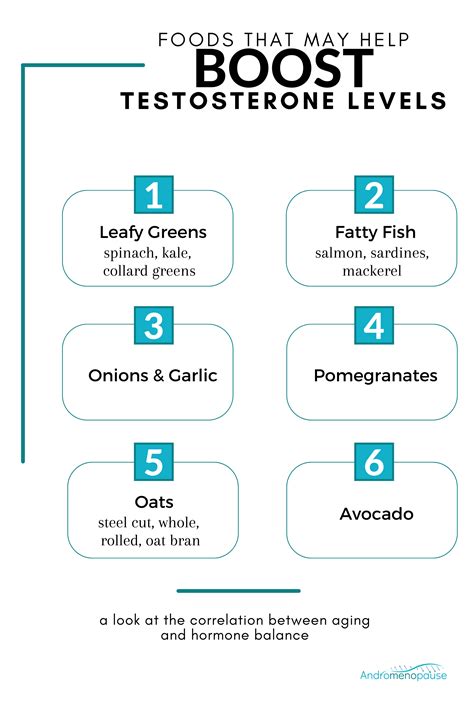
Your diet is a direct fuel source for hormone production. While fad diets come and go, a balanced approach focused on whole, unprocessed foods is key. Include healthy fats from sources like avocados, nuts, seeds, and olive oil, as they are essential building blocks for steroid hormones like testosterone. Ensure adequate intake of protein to support muscle synthesis and overall bodily functions. Furthermore, specific micronutrients are critical:
- Zinc: Found in red meat, shellfish, beans, and nuts, zinc is vital for testosterone synthesis.
- Vitamin D: Often called the ‘sunshine vitamin,’ it functions like a steroid hormone in the body. Low levels are linked to low testosterone. Get regular sun exposure or consider supplementation under guidance.
- Magnesium: Abundant in leafy greens, nuts, seeds, and dark chocolate, magnesium plays a role in numerous enzymatic reactions, including those involved in testosterone production.
Limit processed sugars, refined carbohydrates, and excessive alcohol, as these can negatively impact hormone balance and contribute to inflammation.
Engage in Targeted Exercise
Not all exercise is created equal when it comes to boosting testosterone. The most effective forms are:
- Strength Training: Lifting heavy weights (compound movements like squats, deadlifts, bench presses) signals your body to produce more testosterone to support muscle growth and recovery. Focus on progressive overload, gradually increasing resistance over time.
- High-Intensity Interval Training (HIIT): Short bursts of intense exercise followed by brief recovery periods can also lead to a significant acute increase in testosterone.
Avoid excessive long-duration, moderate-intensity cardio, as this can sometimes elevate cortisol (the stress hormone), which can counteract testosterone production. Balance your routine with a mix of strength, HIIT, and some moderate activity for overall health.

Manage Stress Effectively
Chronic stress is a testosterone killer. When you’re constantly stressed, your body produces high levels of cortisol. Cortisol and testosterone are produced from the same precursor molecule (pregnenolone), and when cortisol demand is high, the body prioritizes its production over testosterone. This phenomenon is sometimes referred to as the ‘pregnenolone steal.’ Implement stress-reduction techniques into your daily routine:
- Mindfulness meditation
- Deep breathing exercises
- Yoga
- Spending time in nature
- Engaging in hobbies you enjoy

Minimize Exposure to Endocrine Disruptors
Our modern environment is full of chemicals that can interfere with hormone function. These ‘endocrine-disrupting chemicals’ (EDCs) mimic or block hormones, potentially leading to lower testosterone levels. Common EDCs include BPA (found in plastics), phthalates (in personal care products), and certain pesticides. Reduce your exposure by:
- Storing food in glass containers instead of plastic.
- Choosing organic produce when possible.
- Using natural, fragrance-free personal care and cleaning products.
While often marketed as direct testosterone boosters, most herbal supplements lack robust scientific evidence. Focus on foundational lifestyle changes first. If considering supplements like Ashwagandha or Fenugreek, consult with a healthcare professional.

Conclusion
Naturally boosting testosterone for peak energy and strength is a holistic endeavor that requires commitment to a healthy lifestyle. There’s no single magic pill, but by optimizing your sleep, dialing in your nutrition, engaging in smart exercise, effectively managing stress, and minimizing environmental toxins, you can create an environment where your body can thrive and produce testosterone optimally. Consistency is key, and the benefits extend far beyond just energy and strength – you’ll likely experience improved mood, better cognitive function, and an overall enhanced quality of life.