




How to naturally boost T for peak performance?
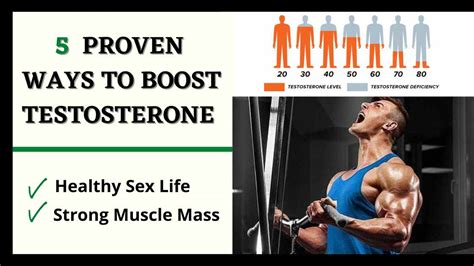
Understanding Testosterone’s Role in Performance
Testosterone, often referred to as the male sex hormone, plays a pivotal role far beyond just libido. It’s crucial for muscle growth, bone density, red blood cell production, and even cognitive functions like mood and energy levels. Optimal testosterone levels are directly linked to enhanced physical endurance, mental clarity, and overall vitality, making it a key factor for achieving peak performance in all aspects of life. While synthetic options exist, a growing body of research supports natural methods for optimizing this vital hormone.
Many men experience a gradual decline in testosterone as they age, but lifestyle factors can also contribute to lower levels, even in younger individuals. The good news is that numerous natural strategies can effectively support your body’s ability to produce testosterone, helping you reclaim your energy, strength, and focus.

Optimize Your Diet for T Production
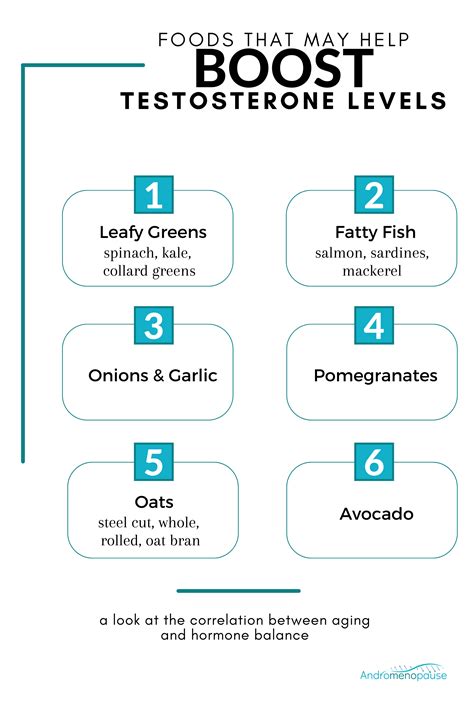
Your plate is a powerful tool in hormone regulation. A balanced diet rich in specific nutrients can significantly impact testosterone synthesis. Focus on healthy fats, which are essential building blocks for hormones. Incorporate sources like avocados, nuts, seeds, olive oil, and fatty fish (salmon, mackerel) into your daily meals. These healthy fats not only support hormone production but also improve overall cardiovascular health.
Protein intake is also critical for muscle maintenance and growth, which indirectly supports testosterone. Include lean meats, poultry, eggs, and legumes. Furthermore, certain micronutrients are direct co-factors in testosterone production. Zinc, found in oysters, red meat, and pumpkin seeds, and Vitamin D, often called the ‘sunshine vitamin,’ are particularly important. Aim for nutrient-dense foods and consider supplementing with Vitamin D, especially if you have limited sun exposure.

Harness the Power of Exercise
Physical activity, particularly resistance training and high-intensity interval training (HIIT), has been shown to significantly boost testosterone levels. Lifting weights stimulates muscle growth and subsequent hormone release. Focus on compound exercises that work multiple muscle groups, such as squats, deadlifts, bench presses, and rows, as these tend to elicit a greater hormonal response.
HIIT involves short bursts of intense exercise followed by brief recovery periods. This type of training can also be very effective for testosterone production and fat loss, which is beneficial since excess body fat can negatively impact hormone levels. However, it’s crucial to avoid overtraining, as excessive, prolonged endurance exercise can actually lower testosterone. Listen to your body and allow for adequate recovery.

Prioritize Sleep and Stress Management
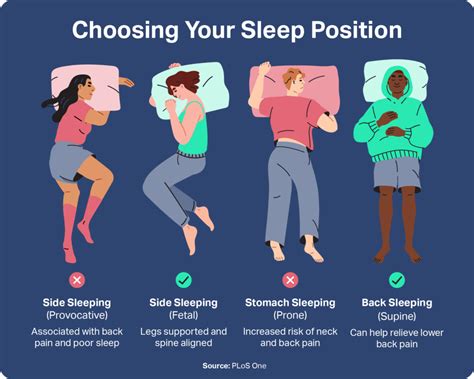
Sleep is a non-negotiable component of hormone regulation. Most of your daily testosterone production occurs during sleep. Chronic sleep deprivation, even for a few nights, can dramatically reduce testosterone levels. Aim for 7-9 hours of high-quality sleep per night. Establish a consistent sleep schedule, create a dark, cool, and quiet bedroom environment, and avoid screens before bedtime to optimize your sleep hygiene.
Stress is another major disruptor. When you’re stressed, your body produces cortisol, a hormone that can directly suppress testosterone production. Chronic stress keeps cortisol levels elevated, leading to a hormonal imbalance. Incorporate stress-reduction techniques into your daily routine, such as meditation, yoga, deep breathing exercises, spending time in nature, or engaging in hobbies that help you relax. Managing stress effectively is a cornerstone of overall hormonal health.
Leverage Lifestyle Factors: Sunlight and Supplements
Sunlight exposure is a natural and potent way to boost Vitamin D levels, which, as mentioned, are directly linked to testosterone production. Try to get 10-30 minutes of direct sunlight exposure several times a week, especially in the morning. For those in regions with limited sun, a high-quality Vitamin D3 supplement is often recommended after consulting with a healthcare professional.
While the focus is on natural methods, certain natural supplements can complement a healthy lifestyle. Zinc and Magnesium are common deficiencies that can impact testosterone; supplementing these might be beneficial if your dietary intake is insufficient. Herbs like Ashwagandha have also shown promise in studies for reducing stress and mildly improving testosterone levels. Always consult your doctor before starting any new supplement regimen.

Conclusion: A Holistic Approach to Peak Performance
Boosting your testosterone naturally for peak performance isn’t about a single magic bullet; it’s about adopting a holistic approach to health. By consistently implementing strategies across diet, exercise, sleep, and stress management, you create an optimal environment for your body to produce and utilize testosterone effectively. The benefits extend beyond physical strength to improved mood, cognitive function, and overall quality of life. Embrace these natural methods, be patient, and enjoy the journey toward a more energetic, focused, and performing you.