





How to maximize progressive overload for consistent peak strength gains?
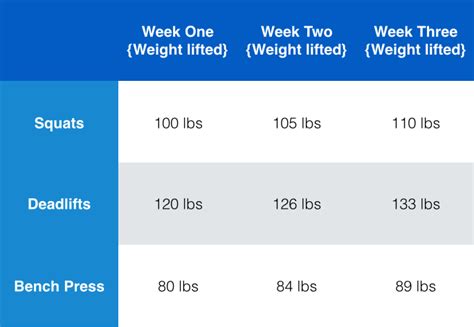
For anyone serious about building strength, the concept of progressive overload is not just a suggestion; it’s the fundamental bedrock upon which all consistent muscle and strength gains are built. Simply put, progressive overload is the gradual increase of stress placed upon the musculoskeletal system. Without continually challenging your body beyond its current capacities, adaptation ceases, and your progress will inevitably plateau. Maximizing this principle is the key to unlocking consistent peak strength.
Understanding the Core Principle
Your muscles are incredibly adaptable. When subjected to a stimulus (like lifting weights), they respond by becoming stronger and larger to better handle that stress in the future. However, if the stimulus remains constant, your body eventually adapts, and there’s no longer a compelling reason to change. Progressive overload ensures that you are always providing a novel and increasing challenge, forcing your body to continually adapt and grow stronger.

Key Strategies for Implementing Progressive Overload
Progressive overload isn’t just about adding more weight. While increasing load is a primary method, there are several levers you can pull to ensure your training remains challenging and effective:
1. Increase the Load (Weight)
This is arguably the most straightforward and common method. Once you can comfortably complete your target reps and sets with a given weight, it’s time to incrementally increase the resistance. Even a small jump of 2.5-5 lbs (1-2 kg) can provide enough stimulus. Consistency in these small increases adds up significantly over time.
2. Increase the Volume (Reps or Sets)
If adding weight isn’t feasible or desired for a particular exercise, you can increase the total volume. This means performing more repetitions within your sets (e.g., going from 8 reps to 10 reps) or adding an extra set to an exercise (e.g., from 3 sets to 4 sets). This increases the total work performed, driving further adaptation.

3. Increase Training Frequency
For some individuals, especially beginners or those with high recovery capacities, increasing how often you train a muscle group can be an effective form of progressive overload. Instead of training legs once a week, training them twice (with adequate recovery between sessions) provides more opportunities for stimulus and growth.
4. Decrease Rest Intervals
By reducing the amount of rest time between sets, you increase the density of your workout. This makes the workout more metabolically demanding and can improve muscular endurance and work capacity. Be mindful not to compromise strength too much if pure strength is your goal, but it’s a valid method for specific adaptations.
5. Improve Exercise Technique and Range of Motion
While often overlooked, refining your form and moving through a fuller range of motion can make an exercise significantly harder and more effective. A deeper squat with perfect form is often more challenging and productive than a shallower squat with heavier weight and sloppy technique. This is a progressive overload of quality.
6. Increase Time Under Tension (TUT)
Slowing down the eccentric (lowering) or concentric (lifting) phase of an exercise can increase the time your muscles spend under tension. This amplifies the muscular stimulus without necessarily adding more weight or reps, promoting hypertrophy and strength in a unique way.
Tracking Progress and Incorporating Periodization
To truly maximize progressive overload, meticulous tracking is essential. Keep a workout log where you record the exercises performed, weight, reps, sets, and even perceived effort. This data allows you to objectively review your progress and plan future sessions. Knowing you did 3 sets of 8 reps with 100 lbs last week provides a clear target for this week: aim for 3 sets of 9 reps, or 3 sets of 8 reps with 105 lbs.
Periodization, the systematic planning of training, is also crucial. Instead of just trying to add weight indefinitely, periodization involves structuring your training into cycles (e.g., hypertrophy phase, strength phase, power phase) with planned variations in intensity, volume, and exercise selection. This helps prevent overtraining, manages fatigue, and allows for strategic deloads, ultimately facilitating long-term, consistent gains.

The Indispensable Role of Recovery and Nutrition
Progressive overload puts significant stress on your body, and without adequate recovery and proper nutrition, your ability to adapt and grow stronger will be severely hampered. Ensure you are getting sufficient sleep (7-9 hours), consuming enough protein to support muscle repair and growth (typically 1.6-2.2g per kg of body weight), and maintaining a caloric intake that supports your strength goals (a slight surplus for muscle gain, maintenance for strength retention).

Overcoming Plateaus and Ensuring Consistency
Plateaus are a natural part of any strength journey. When you hit one, it doesn’t mean progressive overload has failed; it means you need to adjust your strategy. Re-evaluate your methods, consider a deload week, switch up exercise variations, or focus on a different overload principle for a cycle. The most powerful tool in your arsenal, however, is consistency. Showing up, putting in the work, and diligently applying progressive overload day in and day out is what truly separates those who make transient gains from those who build lasting, peak strength.
Conclusion
Progressive overload is not a single technique but a philosophy that underpins effective strength training. By continually and strategically increasing the demands placed on your muscles through various methods—be it load, volume, frequency, or improved technique—you create the necessary stimulus for consistent adaptation. Combine this with meticulous tracking, smart periodization, and an unwavering commitment to recovery and nutrition, and you will undoubtedly maximize your strength potential and achieve consistent peak strength gains.