




How to maximize gym time for peak strength gains on a tight schedule?
Life often throws us curveballs, making it challenging to dedicate extensive hours to the gym. However, a packed schedule doesn’t mean sacrificing your strength goals. With the right approach, you can transform limited gym time into highly productive sessions that yield impressive strength gains. The key lies in strategic planning, intelligent execution, and unwavering focus. Let’s delve into proven methods to make every minute count.
Prioritize Compound Movements
When time is scarce, your workout needs to deliver the biggest bang for its buck. Compound exercises, which involve multiple joints and muscle groups, are your best friends. Lifts like squats, deadlifts, bench presses, overhead presses, and rows recruit more muscle fibers, allowing you to build overall strength and muscle mass far more efficiently than isolation exercises. Focus on perfecting your form and progressively overloading these core movements.
For example, instead of spending time on bicep curls and tricep extensions separately, prioritize pull-ups (or lat pulldowns) and close-grip bench presses, which work those muscles in conjunction with larger muscle groups. This approach ensures maximum stimulus in minimal time.
Embrace Intensity Techniques
To compensate for less volume (due to less time), you need to increase the intensity of your sets. Incorporating techniques like supersets, trisets, and drop sets can significantly boost your workout’s efficiency and impact.
- Supersets: Perform two exercises back-to-back with minimal rest in between. You can pair antagonist muscle groups (e.g., bench press and bent-over row) or non-competing movements (e.g., squat and pull-ups) to maximize work capacity without excessive fatigue in a single muscle group.
- Drop Sets: After completing a set to failure, immediately reduce the weight by 20-30% and continue for more reps until failure again. This technique pushes your muscles beyond their normal limit, stimulating growth.
- Rest-Pause Training: Lift a heavy weight for a few reps, rest briefly (10-20 seconds), and then perform a few more reps with the same weight. Repeat for 2-3 mini-sets, effectively getting more work in with heavier loads.
These methods allow you to pack more work into a shorter timeframe, driving adaptation and strength gains effectively.

Smart Programming and Periodization
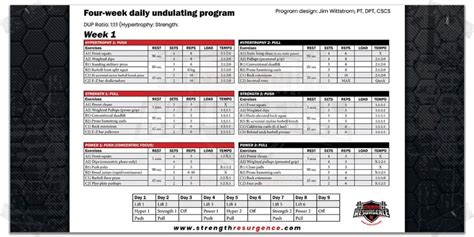
Your workout program should be meticulously designed to align with your time constraints and goals. A full-body workout performed 2-3 times a week can be incredibly effective for strength gains on a tight schedule. This allows for frequent exposure to compound lifts while providing adequate recovery time between sessions.
Focus on progressive overload – consistently striving to lift more weight, perform more reps, or increase the time under tension. Track your progress diligently to ensure you’re always challenging your body. Consider a simple linear progression model where you aim to add a small amount of weight or an extra rep to your main lifts each week or session.

Optimize Warm-ups and Cool-downs
While often seen as time-consuming, a proper warm-up is crucial for injury prevention and performance. However, you can make it efficient. Focus on dynamic movements that prepare your body for the specific exercises you’re about to perform. A 5-10 minute dynamic warm-up involving light cardio, bodyweight movements, and mobility drills targeting the joints you’ll use is sufficient. Skip the lengthy static stretching before lifting heavy.
Similarly, a cool-down can be brief. A few minutes of light cardio and static stretches for major muscle groups is enough to aid recovery and flexibility, but it shouldn’t take up a significant chunk of your precious gym time.
Fuel Your Gains: Nutrition and Recovery
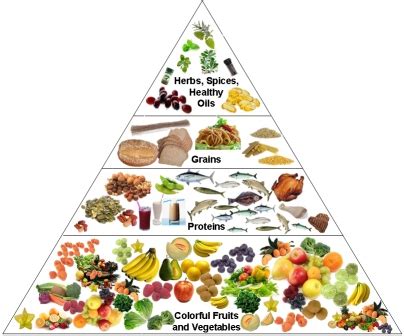
Your efforts in the gym will be wasted without adequate nutrition and recovery. Since your gym time is limited, optimizing these off-gym factors becomes even more critical for maximizing strength gains.
- Protein Intake: Ensure you’re consuming enough protein (around 1.6-2.2g per kg of body weight) to support muscle repair and growth.
- Caloric Surplus (for muscle gain): To build strength and muscle, you generally need to be in a slight caloric surplus, consuming more energy than you expend.
- Sleep: Aim for 7-9 hours of quality sleep per night. This is when your body repairs and rebuilds.
- Hydration: Stay well-hydrated throughout the day, as dehydration can impair performance and recovery.
Consistency is Key
Even the most perfectly planned short workouts won’t yield results if you’re not consistent. Sticking to your schedule, even when it feels tough, is paramount. A 30-45 minute intense, focused workout done 3 times a week consistently will always outperform sporadic, lengthy sessions.
Maximizing strength gains on a tight schedule is entirely achievable with a disciplined, intelligent approach. By prioritizing compound movements, embracing intensity techniques, structuring your program wisely, and supporting your efforts with proper nutrition and recovery, you can build impressive strength and transform your physique without letting a busy lifestyle hold you back. The gym isn’t just about the time you put in; it’s about what you put into that time.