





How to fuel sustained energy & avoid midday crashes for peak mental performance?
The Quest for Uninterrupted Focus
Many of us have experienced it: that sudden, unwelcome dip in energy and mental clarity that hits around lunchtime or mid-afternoon. The dreaded ‘midday crash’ can derail productivity, make complex tasks feel impossible, and leave us reaching for another coffee or sugary snack. But what if you could maintain peak mental performance from morning until evening, fueled by consistent, sustained energy? The good news is, you can, and it largely comes down to understanding and optimizing your nutritional intake.

Understanding the Energy Rollercoaster
The primary culprit behind energy crashes is often unstable blood sugar levels. When you consume highly refined carbohydrates or sugary foods, your blood sugar spikes rapidly, prompting your pancreas to release a surge of insulin. This insulin then works overtime, often bringing your blood sugar levels down too quickly, leading to that characteristic feeling of fatigue, irritability, and lack of concentration.
Other factors contributing to energy dips include dehydration, skipping meals, inadequate protein and healthy fat intake, and a lack of essential micronutrients. Addressing these foundational elements is key to building a robust energy strategy.
Strategic Nutrition for Lasting Energy
1. Prioritize Complex Carbohydrates, Protein, and Healthy Fats
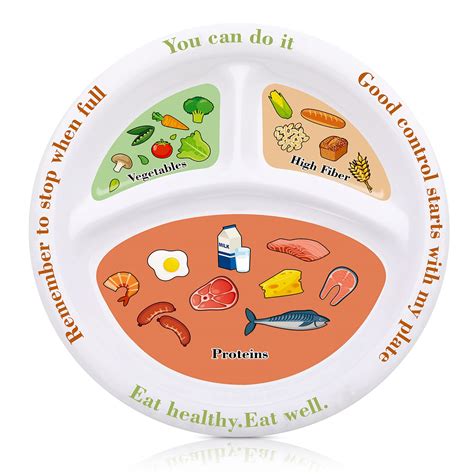
- Complex Carbohydrates: Unlike simple sugars, complex carbs (found in whole grains, vegetables, and legumes) are digested slowly, providing a steady release of glucose into your bloodstream. This prevents sharp spikes and subsequent crashes.
- Protein: Incorporating protein into every meal slows down the absorption of carbohydrates, further stabilizing blood sugar. Protein also provides amino acids essential for neurotransmitter production, supporting brain function. Think lean meats, fish, eggs, dairy, legumes, and nuts.
- Healthy Fats: Fats are crucial for brain health and provide a long-burning fuel source. Avocados, nuts, seeds, olive oil, and fatty fish (like salmon) are excellent choices.
2. Eat Regular, Balanced Meals
Skipping meals can lead to significant blood sugar drops, triggering cravings for quick energy fixes. Aim for three balanced meals a day, with small, nutrient-dense snacks in between if needed. This consistent fuel supply keeps your metabolism humming and your energy levels stable.
3. Hydration is Non-Negotiable
Even mild dehydration can lead to fatigue, reduced concentration, and headaches. Make water your primary beverage. Keep a water bottle handy and sip throughout the day. Herbal teas are also a great option.

4. Smart Snacking Choices
If you need a snack, choose wisely. Opt for options that combine protein, fiber, and healthy fats to maintain satiety and stable blood sugar. Examples include a handful of almonds with an apple, Greek yogurt with berries, vegetable sticks with hummus, or a hard-boiled egg.
5. Limit Refined Sugars and Processed Foods
These are the primary drivers of blood sugar rollercoasters. Be mindful of hidden sugars in packaged foods, sodas, and even some ‘healthy’ snacks. Reducing your intake will significantly contribute to more stable energy.

6. Micronutrients and Brain Boosters
Certain vitamins and minerals play a critical role in energy production and brain function. B vitamins (found in whole grains, leafy greens, meat), magnesium (nuts, seeds, leafy greens), and iron (red meat, lentils, spinach) are particularly important. A diet rich in colorful fruits and vegetables ensures a wide spectrum of these essential nutrients.
Beyond the Plate: Lifestyle Factors
While nutrition is paramount, other lifestyle choices amplify your energy levels and mental performance:
- Adequate Sleep: Prioritize 7-9 hours of quality sleep per night. Sleep deprivation drastically impairs cognitive function and energy.
- Regular Movement: Even short bursts of physical activity can boost circulation, oxygenate the brain, and provide an energy lift.
- Stress Management: Chronic stress depletes energy and can impact digestion and nutrient absorption. Incorporate relaxation techniques like mindfulness or deep breathing.

Crafting Your Energy-Sustaining Day
Imagine starting your day with steel-cut oats, berries, and nuts. A mid-morning snack of an apple and almond butter. Lunch featuring a large salad with lean protein and avocado. An afternoon snack of Greek yogurt. And dinner with grilled fish, quinoa, and roasted vegetables. This approach, rich in whole, unprocessed foods, consistently provides your body and brain with the fuel it needs, preventing those dreaded energy crashes and allowing you to operate at your mental best.
Conclusion
Fuelling sustained energy and avoiding midday crashes isn’t about deprivation or complex diets; it’s about intelligent, consistent nutrition choices. By focusing on balanced meals, prioritizing whole foods, staying hydrated, and making smart snacking decisions, you can effectively stabilize your blood sugar, nourish your brain, and unlock a new level of sustained mental performance throughout your day. Take control of your energy, and reclaim your focus.