



How to choose EDC gear that maximizes efficiency & preparedness?

The Philosophy of Everyday Carry
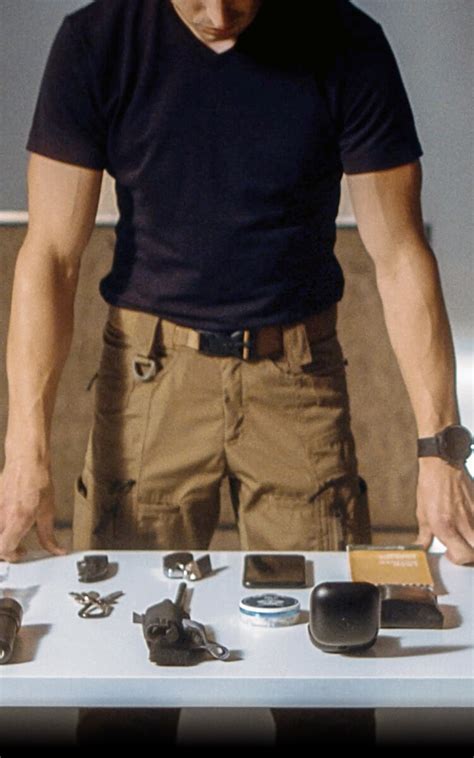
Everyday Carry (EDC) refers to the collection of essential items a person carries with them daily to address common problems and potential emergencies. It’s more than just a random assortment; it’s a carefully curated selection designed to maximize efficiency and preparedness in your unique environment. The core principle of EDC is proactive readiness – having the right tools on hand when you need them, without being burdened by excessive weight or clutter. This article will guide you through the strategic process of selecting EDC gear that truly serves your needs, balancing utility, quality, and practicality.
Assess Your Personal Environment and Needs
Before you even consider specific items, the most critical step is to understand your own daily routine, environment, and potential risks. What challenges do you routinely face? What unexpected situations are you most likely to encounter?
Daily Routine and Environment
Consider your typical day: Do you work in an office, outdoors, or travel frequently? Is your commute long, short, urban, or rural? The demands of a city dweller differ significantly from someone working on a farm or in a remote area. Your environment dictates the type of tools that will be most beneficial, from a discreet pocket knife for opening packages to a more robust multi-tool for field repairs.
Risk Assessment
Think about potential threats or inconveniences. Are you concerned about personal safety, medical emergencies, power outages, or simple everyday annoyances like a loose screw? Understanding your risk profile helps prioritize items. For instance, if you live in an area prone to natural disasters, a flashlight, first-aid kit, and communication device might rank higher than if you primarily stay in a well-serviced urban environment.
Core Principles for Efficient EDC
Once you’ve assessed your needs, apply these principles to evaluate potential gear choices:
Utility and Multi-functionality
Every item in your EDC should serve a clear purpose, ideally more than one. A multi-tool that combines pliers, a knife, and screwdrivers is often more efficient than carrying separate tools. Think about how often you’ll use an item and if it can perform multiple tasks to justify its space and weight.
Quality and Reliability
Your EDC items are meant to be relied upon, especially in critical situations. Invest in quality gear from reputable brands. A cheap flashlight that fails when you need it most, or a flimsy knife that breaks during use, defeats the entire purpose of preparedness. Durability and consistent performance are paramount.
Size, Weight, and Concealability
The best gear is the gear you actually carry. Overloading yourself with bulky items will lead to leaving essential tools behind. Opt for compact, lightweight options that comfortably fit in your pockets, on your belt, or in a small bag without causing discomfort or drawing unwanted attention. Consider how easily an item can be accessed and deployed.
Essential EDC Categories
While everyone’s EDC is unique, certain categories are almost universally beneficial:
Cutting Tools
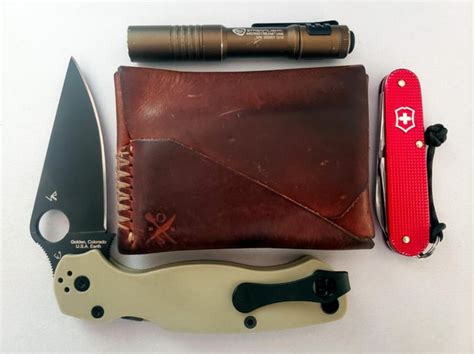
A good quality folding knife is a staple. It’s useful for opening packages, cutting cordage, food preparation, and minor tasks. Ensure it’s legal to carry in your area.
Illumination
A compact, reliable flashlight is invaluable for navigating dark areas, finding lost items, or signaling. Look for models with multiple brightness settings and a durable construction.
Information & Communication
Your smartphone is usually the primary tool here, but consider a small notebook and pen for quick notes or leaving messages. A portable power bank can be a lifesaver.
Medical & First Aid
A basic mini first-aid kit with bandages, antiseptic wipes, pain relievers, and any personal medications can handle minor injuries and ailments.
Self-Defense & Security (if applicable)
Depending on your personal risk assessment and local laws, this might include a legal defensive tool, a personal alarm, or simply training in situational awareness.
Fire Starting / Utility
A lighter or ferro rod can be useful for starting fires (if outdoors) or for minor repairs (e.g., singeing frayed rope).
The Tiered Approach to Preparedness
You don’t have to carry everything on your person. A tiered approach allows you to scale your preparedness:
- Tier 1 (Pockets/On-Person): The absolute essentials you carry directly on your body – typically a knife, flashlight, wallet, keys, phone.
- Tier 2 (Bag/Purse): Items you carry in a small bag or backpack that is always with you – a more comprehensive first-aid kit, multi-tool, power bank, water bottle.
- Tier 3 (Vehicle/Work/Home): Larger kits or less frequently needed items stored in your car, office, or home – emergency food, extensive medical supplies, spare clothes, larger tools.
This system ensures you always have immediate access to critical tools, with more extensive resources readily available nearby.

Regularly Review and Adapt Your Loadout
Your needs and environment are not static. It’s crucial to periodically review your EDC loadout. Test your gear, ensure batteries are charged, and replace expired items in your first-aid kit. As seasons change, or your job or living situation evolves, so too should your EDC. What was essential last year might be less relevant today. Continuously refine your choices to ensure your everyday carry remains optimally efficient and prepared for whatever comes your way.
![How To Be A People Person: 10 Tips For Being More Outgoing [UPDATED 2023]](/images/aHR0cHM6Ly90czIubW0uYmluZy5uZXQvdGg/aWQ9T0lQLi1TcERDamRaS0VNejN3T1pIczFYeFFIYUQ0JnBpZD0xNS4x.webp)