





How to break through a strength plateau efficiently for peak gains?
Understanding the Plateau: Why Progress Stalls
Hitting a strength plateau can be one of the most frustrating experiences in a fitness journey. You’ve been consistently lifting, pushing hard, and seeing steady gains, only for your progress to suddenly grind to a halt. This ‘plateau’ isn’t a sign of failure; rather, it’s your body adapting to the demands you’ve placed on it. Your muscles and nervous system have become highly efficient at performing your current routine, and without new stimuli, further adaptation slows down or stops entirely.
Recognizing the signs of a plateau—such as struggling to add weight or reps, experiencing chronic fatigue, or simply losing motivation—is the first step. The key to breaking through lies in intelligently disrupting this adaptation without overtraining. It’s about being strategic, not just working harder.

Strategic Training Adjustments to Reignite Progress
To overcome a strength plateau, you often need to shock your system with new challenges. Here are several effective strategies:
1. Reassess Progressive Overload
While progressive overload is crucial, how you apply it matters. Instead of just adding weight, consider these variations:
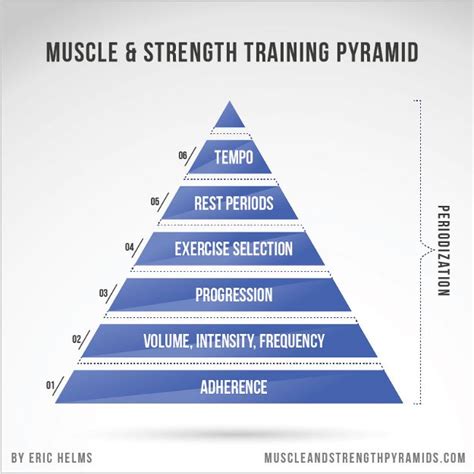
- Increase Volume: Add more sets or reps (e.g., from 3 sets of 5 to 4 sets of 5, or 3 sets of 5 to 3 sets of 6).
- Decrease Rest Times: Shorten rest periods between sets to increase intensity and metabolic stress.
- Improve Form: Sometimes, a plateau isn’t about strength but about inefficient movement patterns. Perfecting your technique can unlock more potential.
- Increase Time Under Tension: Slow down the eccentric (lowering) phase of your lifts to create more muscle damage and growth stimulus.
2. Vary Your Rep Ranges and Intensity
Don’t always stick to the same rep scheme. If you’ve been training primarily in the 3-6 rep range for strength, try a few weeks in the 8-12 rep range for hypertrophy, or even higher for endurance. This diversified stimulus can target different muscle fibers and energy systems, leading to new growth.
3. Incorporate Deloads and Periodization
A deload week—reducing volume, intensity, or both by 40-60% for a week—can be incredibly effective. It allows your body to recover fully, repair micro-traumas, and resensitize to training stimulus. Periodization, which involves systematically varying training variables over time, can prevent plateaus from occurring in the first place.
Fueling Your Breakthrough: Nutrition and Recovery
Your performance in the gym is heavily dependent on what you do outside of it. Neglecting nutrition and recovery will inevitably lead to stalled progress.
1. Optimize Calorie and Macronutrient Intake
Are you eating enough? Sustained strength gains often require a slight caloric surplus, especially if you’re in a cutting phase. Ensure you’re getting adequate protein (1.6-2.2g per kg of body weight) to support muscle repair and growth, sufficient carbohydrates for energy, and healthy fats for hormonal balance.
2. Prioritize Sleep and Stress Management
Quality sleep (7-9 hours per night) is when the majority of muscle repair and growth occurs. Chronic sleep deprivation elevates cortisol levels, impairs recovery, and can directly hinder strength gains. Similarly, managing psychological stress through mindfulness, hobbies, or light activity can significantly impact your recovery capacity and overall well-being.

Advanced Techniques to Shock Your System
Once you’ve optimized the fundamentals, these advanced techniques can provide an extra push:
1. Introduce Accessory Exercises and Variations
If your bench press is stuck, try dumbbell presses, dips, or floor presses. For a squat plateau, consider front squats, pause squats, or Bulgarian split squats. These variations target muscles from different angles, strengthen weak points, and can have a carryover effect to your main lifts.
2. Utilize Intensification Techniques
Incorporate methods like:
- Drop Sets: Perform a set to failure, immediately reduce the weight, and continue for more reps.
- Supersets/Giant Sets: Perform two or more exercises back-to-back with minimal rest.
- Negative Reps: Focus solely on the eccentric (lowering) phase of a lift with a heavier weight than you’d normally lift (often with a spotter’s help).
- Rest-Pause Training: Lift to near failure, rack the weight, take a short rest (10-20 seconds), and then perform more reps.
3. Focus on Form and Mind-Muscle Connection
Sometimes, the desire to lift heavier compromises form. Revisit foundational movements with lighter weight, focusing intensely on muscle activation and proper technique. A stronger mind-muscle connection can lead to more effective contractions and, ultimately, greater strength.

The Mental Game: Consistency and Patience
Breaking through a plateau isn’t an overnight process. It requires patience, consistency, and an analytical approach to your training. Keep a detailed workout log to track your progress (or lack thereof), making small, informed adjustments rather than drastic changes. Celebrate small victories and remember that plateaus are a normal, even necessary, part of the strength-building journey.
Conclusion: Embrace the Challenge
A strength plateau is not an end, but a signal that it’s time to evolve your training approach. By strategically adjusting your workouts, meticulously managing your nutrition and recovery, and maintaining a resilient mindset, you can not only break through current barriers but also set the stage for unprecedented peak gains. View it as an opportunity to learn more about your body and refine your path to ultimate strength.