





How to break plateau for peak strength gains effectively?

Understanding the Strength Plateau
Every dedicated lifter eventually encounters a strength plateau – a frustrating phase where progress stalls, and personal bests seem out of reach. This isn’t a sign of failure but a natural adaptation process where your body has become accustomed to the current stimulus. To continue making peak strength gains, you need to disrupt this adaptation and introduce new challenges effectively.
Recognizing the signs of a plateau is the first step. Are your lifts not increasing? Do you feel constantly fatigued? Or perhaps your motivation is waning? These are all indicators that it’s time to re-evaluate your approach.

Strategic Training Adjustments
1. Re-evaluate Progressive Overload
The foundation of strength gain is progressive overload. If you’re stuck, you might not be applying it consistently enough or in the right way. Progressive overload isn’t just about adding more weight; it can also involve increasing reps, sets, reducing rest times, improving technique, or increasing training density (more work in less time).
- Increase Volume: Add an extra set or a few more reps to your working sets.
- Increase Intensity: Slightly increase the weight while maintaining good form, even if it means fewer reps initially.
- Increase Frequency: Train a specific muscle group or lift more often, allowing for more practice and stimulus (e.g., squatting 3 times a week instead of 2).
- Decrease Rest Times: Shorter rest periods can increase the metabolic stress, which is beneficial for hypertrophy and endurance, indirectly supporting strength.
2. Implement Periodization
Periodization involves systematically varying your training parameters over time to prevent overtraining, optimize recovery, and ensure continuous progress. Instead of hitting the same rep ranges and loads every week, cycle through different phases:
- Accumulation Phase: Higher volume, moderate intensity (e.g., 8-12 reps).
- Intensification Phase: Lower volume, higher intensity (e.g., 3-6 reps).
- Deload Phase: Significantly reduced volume and/or intensity to allow for full recovery and supercompensation.
The Importance of Deloads and Recovery
Often, a plateau isn’t about a lack of effort but a lack of recovery. Chronic fatigue can accumulate, hindering your performance. A strategic deload week can be a game-changer. Reduce your training volume and/or intensity by 40-60% for a week, allowing your body to repair and rebuild. You’ll often return stronger and more refreshed.
Beyond deloads, prioritize consistent, high-quality sleep (7-9 hours per night). Sleep is when your body produces growth hormone and testosterone, crucial for muscle repair and growth. Active recovery, such as light cardio, stretching, or foam rolling, can also improve blood flow and reduce muscle soreness.

Nutrition and Hydration Strategies
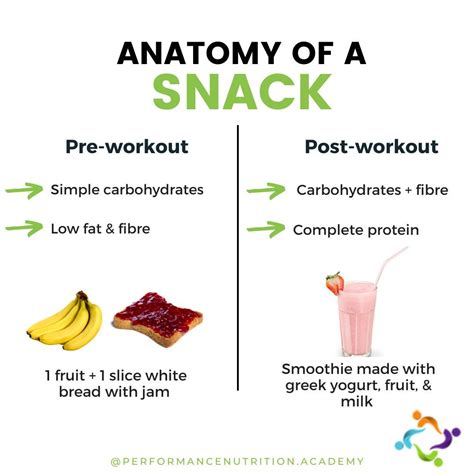
Your diet fuels your performance and recovery. To break a plateau, ensure you’re consuming enough calories, particularly from protein and carbohydrates. A slight caloric surplus can provide the energy needed for heavier lifts and muscle repair.
- Adequate Protein: Aim for 1.6-2.2 grams of protein per kilogram of body weight to support muscle protein synthesis.
- Sufficient Carbohydrates: Carbs are your primary energy source for high-intensity training. Don’t shy away from them, especially around your workouts.
- Healthy Fats: Essential for hormone production and overall health.
- Hydration: Dehydration can severely impact strength and endurance. Drink plenty of water throughout the day.
Exercise Variation and Technique Refinement
Sometimes, simply changing the exercises can provide a new stimulus. If your barbell bench press is stalled, try dumbbell presses, floor presses, or incline presses for a few weeks before returning to the barbell. Accessory exercises also play a crucial role in strengthening weak links that might be holding back your main lifts.
Never underestimate the power of perfect form. Small technical flaws can prevent you from lifting heavier and increase injury risk. Video record your lifts and review them, or work with a coach to identify and correct any imperfections. A slight adjustment in bar path or foot placement can unlock significant strength gains.
The Mental Game and Consistency
Breaking a plateau isn’t just physical; it’s also mental. Stay consistent with your training, even when progress feels slow. Believe in your ability to push past perceived limits. Visualize success and set realistic, short-term goals to maintain motivation. Sometimes, a mental break from a specific lift or a training partner can also provide a fresh perspective.
In conclusion, breaking a strength plateau requires a holistic and intelligent approach. By systematically adjusting your training variables, prioritizing recovery and nutrition, varying your exercises, refining your technique, and maintaining a strong mindset, you can effectively overcome stagnation and continue on your path to peak strength gains.