





How to break a strength plateau in compound lifts for peak gains?

Hitting a strength plateau in your compound lifts can be one of the most frustrating experiences for any lifter. Whether you’re stuck on your squat, deadlift, bench press, or overhead press, that feeling of not being able to add more weight or reps can make you question your entire training approach. However, a plateau isn’t a dead end; it’s a signal that it’s time to re-evaluate and adapt your strategy. Breaking through these barriers is crucial not just for physical progression but for maintaining motivation and achieving peak gains.
Understanding the Plateau Phenomenon
Before you can break a plateau, you need to understand why it’s happening. Plateaus often occur when your body has fully adapted to your current training stimulus, and simply doing more of the same will no longer yield results. Common culprits include:
- Overtraining: Pushing too hard, too often, without adequate recovery.
- Under-recovery: Insufficient sleep, high stress, or poor nutrition hindering muscle repair and adaptation.
- Inadequate Nutrition: Not consuming enough calories or the right macronutrients to support strength gains and muscle repair.
- Form Breakdown: Compensating with poor technique as weights get heavier, leading to stalled progress and increased injury risk.
- Lack of Program Variety: Sticking to the same sets, reps, and exercises for too long.

Strategy 1: Refine Your Technique
Often, a plateau isn’t about strength, but about efficiency. Minor flaws in your lifting technique can become significant handicaps as the weight increases. Dedicate time to truly master the movement patterns of your compound lifts. Record yourself, watch expert tutorials, and consider getting feedback from an experienced coach.
- Focus on fundamental cues: Are you bracing correctly? Is your bar path optimal? Are you maintaining full body tension?
- Lighten the load: Sometimes, taking a step back in weight to perfect your form can lead to two steps forward in the long run.
Strategy 2: Strategic Program Adjustments
Your training program is the blueprint for your gains. When progress stalls, it’s time to update that blueprint.
The Power of Deloads
A deload involves intentionally reducing your training volume and/or intensity for a short period (typically 1-2 weeks). This allows your central nervous system to recover, repairs accumulated microtrauma, and re-sensitizes your body to heavier loads. Many lifters fear deloads, but they are crucial for long-term progression and preventing burnout.
Varying Progressive Overload
Progressive overload isn’t just about adding weight. It can also involve:
- Increasing reps: Performing more reps with the same weight.
- Increasing sets: Adding an extra set to your workout.
- Decreasing rest periods: Completing the same work in less time.
- Increasing frequency: Lifting a compound movement more times per week.
- Time Under Tension (TUT): Slowing down the eccentric (lowering) phase of a lift.

Incorporating Periodization
Periodization involves systematically varying your training parameters over time. Instead of hitting the same rep ranges every week, you might cycle through phases of higher volume/lower intensity and lower volume/higher intensity. Examples include linear periodization (gradually increasing intensity over weeks) or undulating periodization (varying intensity within a week).
Strategy 3: Optimize Accessory Work
While compound lifts are the cornerstone, accessory exercises are the supporting pillars. Identify your weak points in the main lifts and select accessory exercises that directly target those weaknesses. For example:
- Squat weakness: Focus on exercises like glute bridges, good mornings, or front squats.
- Bench press weakness: Incorporate dumbbell presses, tricep extensions, and rear delt flies.
- Deadlift weakness: Include Romanian deadlifts, glute-ham raises, or deficit deadlifts.
Don’t let accessory work detract from your main lifts; rather, use it to enhance them. Aim for 2-3 accessory exercises per compound movement, performed for higher reps and moderate intensity.

Strategy 4: Fuel and Recover Smartly
Training breaks down muscle; nutrition and recovery build it back stronger. This aspect is often overlooked but is absolutely critical for breaking plateaus.
Nutrition for Growth
- Calorie Surplus: To gain strength and muscle, you generally need to be in a slight calorie surplus.
- Adequate Protein: Aim for 1.6-2.2 grams of protein per kilogram of body weight to support muscle repair and growth.
- Carbohydrates and Fats: Don’t neglect these; carbs fuel your workouts, and healthy fats are crucial for hormone production.
- Hydration: Dehydration can significantly impair performance and recovery. Drink plenty of water throughout the day.
Prioritize Recovery
- Sleep: Aim for 7-9 hours of quality sleep per night. This is when most muscle repair and growth occurs.
- Stress Management: Chronic stress elevates cortisol, which can hinder recovery and muscle growth.
- Active Recovery: Light cardio, stretching, or foam rolling can aid blood flow and reduce muscle soreness.

Strategy 5: Embrace Mindset and Patience
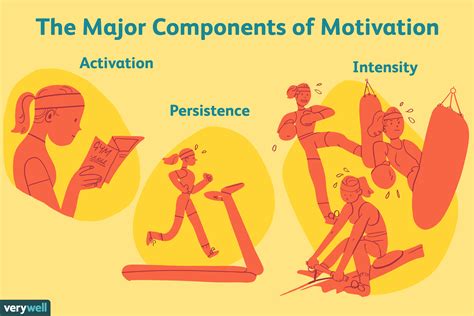
Breaking a plateau requires patience and mental resilience. There will be good days and bad days, but consistency is key. Track your progress meticulously – not just weight and reps, but also perceived exertion, sleep quality, and nutrition. Celebrate small victories and learn from setbacks.
Conclusion
A strength plateau is a temporary barrier, not a permanent wall. By systematically implementing technique refinement, strategic program adjustments (like deloads, varying overload, and periodization), optimizing accessory work, and diligently managing your nutrition and recovery, you can push past your current limits. Remember that progress isn’t always linear; embrace the challenge, stay consistent, and you will achieve those peak gains you’re striving for.