




How to boost natural testosterone for energy & muscle growth?

Understanding Testosterone’s Vital Role
Testosterone, the primary male sex hormone, plays a crucial role in various bodily functions beyond just libido and reproductive health. It’s essential for maintaining energy levels, building muscle mass, burning fat, supporting bone density, and even influencing mood and cognitive function. As men age, testosterone levels naturally decline, but lifestyle factors can significantly impact this process. Low testosterone can lead to fatigue, decreased muscle mass, increased body fat, reduced libido, and diminished overall vitality. Fortunately, several natural approaches can help optimize your body’s testosterone production.
Key Strategies for Natural Testosterone Enhancement
1. Prioritize Strength Training and High-Intensity Exercise
Regular physical activity, particularly strength training and high-intensity interval training (HIIT), has been shown to be highly effective in boosting testosterone levels. Lifting weights stimulates the production of growth hormone and testosterone, contributing to muscle growth and improved body composition. Aim for compound exercises that work multiple muscle groups, such as squats, deadlifts, bench presses, and rows. Incorporating HIIT can also have a positive impact due to its ability to challenge the body’s energy systems intensely.
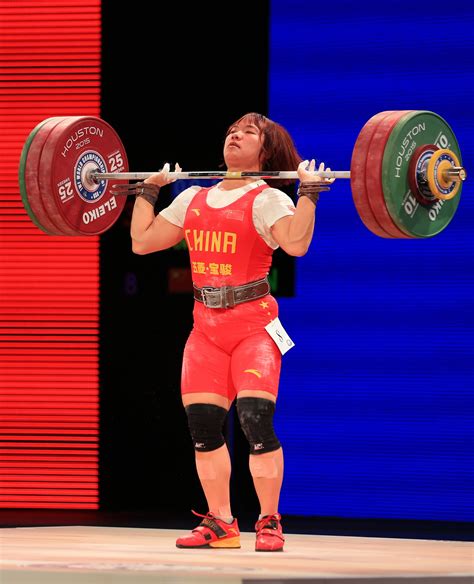
However, it’s crucial to avoid overtraining, as excessive, prolonged endurance exercise without adequate recovery can actually suppress testosterone production. Listen to your body, ensure proper rest, and incorporate variety into your workout routine.
2. Optimize Your Diet with Nutrient-Rich Foods
What you eat directly impacts your hormonal balance. A diet rich in whole, unprocessed foods is fundamental for natural testosterone production. Focus on:
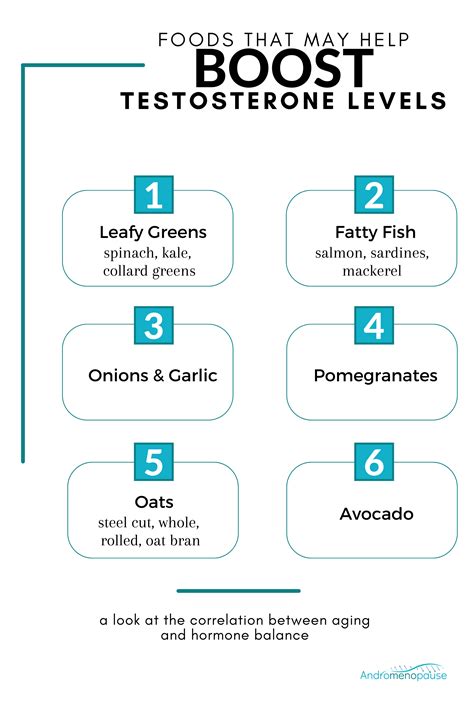
- Healthy Fats: Essential for hormone synthesis. Include sources like avocados, nuts, seeds, olive oil, and fatty fish (salmon, mackerel) rich in Omega-3s.
- Protein: Adequate protein intake supports muscle growth and recovery, indirectly aiding testosterone. Lean meats, poultry, fish, eggs, and legumes are excellent sources.
- Complex Carbohydrates: Provide energy for workouts and overall bodily functions. Opt for whole grains, fruits, and vegetables.
- Micronutrients: Zinc and Vitamin D are particularly important. Zinc can be found in oysters, red meat, poultry, and beans, while Vitamin D is synthesized from sun exposure and found in fortified foods, fatty fish, and egg yolks.

Limit processed foods, excessive sugar, and alcohol, as these can negatively impact hormonal health and contribute to weight gain, which is often associated with lower testosterone.
3. Ensure Adequate and Quality Sleep
Sleep is a powerful regulator of hormones, including testosterone. Studies show that insufficient sleep can significantly decrease testosterone levels. The majority of your body’s testosterone is produced during sleep, particularly during deep REM cycles. Aim for 7-9 hours of high-quality sleep per night. To improve sleep quality:
- Establish a consistent sleep schedule.
- Create a dark, quiet, and cool sleep environment.
- Avoid screens (phones, tablets, computers) an hour before bed.
- Limit caffeine and heavy meals late in the evening.

4. Manage Stress Levels Effectively
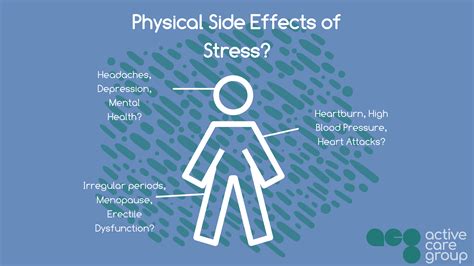
Chronic stress leads to elevated levels of cortisol, the stress hormone. High cortisol can directly suppress testosterone production. When your body is constantly in a ‘fight or flight’ state, it prioritizes survival mechanisms over functions like hormone production. Implementing stress-reduction techniques is vital:
- Practice mindfulness and meditation.
- Engage in hobbies and activities you enjoy.
- Spend time in nature.
- Consider yoga or deep breathing exercises.
- Ensure work-life balance and social connections.
5. Maintain a Healthy Body Weight
Excess body fat, particularly around the abdomen, can lead to lower testosterone levels. Adipose tissue (fat cells) contains an enzyme called aromatase, which converts testosterone into estrogen. This process not only reduces available testosterone but also increases estrogen, further disrupting hormonal balance. Achieving and maintaining a healthy body weight through a combination of diet and exercise is one of the most effective ways to support optimal testosterone levels.

Conclusion
Boosting natural testosterone for improved energy and muscle growth isn’t about quick fixes; it’s about adopting a holistic lifestyle approach. By consistently prioritizing strength training, a nutrient-dense diet, adequate sleep, effective stress management, and maintaining a healthy weight, you can significantly support your body’s natural ability to produce testosterone. These sustainable practices not only optimize your hormone levels but also contribute to enhanced overall health, vitality, and well-being for years to come.