




How much protein is optimal for muscle gain & recovery in active men?
For active men, particularly those engaged in strength training or demanding physical activities, protein isn’t just a macronutrient; it’s the cornerstone of muscle development and repair. While general dietary guidelines suggest a certain intake, the needs of an athlete or a regular gym-goer are significantly higher. The quest for the ‘optimal’ amount can be confusing, with various recommendations circulating. This article dives into the science to provide clear, actionable advice on how much protein active men truly need for superior muscle gain and efficient recovery.
The Pivotal Role of Protein for Active Men
Protein is essential for countless bodily functions, but its role in muscle synthesis and recovery is paramount for active individuals. When you train, muscle fibers undergo micro-tears. Protein, broken down into amino acids, provides the building blocks to repair these tears and rebuild stronger, larger muscles – a process known as muscle protein synthesis (MPS). Without adequate protein, recovery is impaired, adaptation is stunted, and performance plateaus.
Beyond the RDA: Tailoring Protein for Performance
The Recommended Dietary Allowance (RDA) for protein is 0.8 grams per kilogram of body weight (g/kg). This amount is sufficient to prevent deficiency in sedentary individuals but falls short for those regularly stressing their muscles through exercise. Research consistently shows that active men require significantly more protein to optimize adaptations to training. Factors like training intensity, duration, type of exercise, overall caloric intake, and body composition goals all influence individual protein needs.
Optimal Protein Ranges for Muscle Growth and Recovery
Current scientific consensus suggests that active men looking to maximize muscle gain and recovery should aim for a daily protein intake ranging from 1.6 to 2.2 grams per kilogram (g/kg) of body weight. For those who prefer imperial units, this translates to roughly 0.7 to 1.0 grams per pound (g/lb) of body weight.
- For general muscle gain and maintenance: 1.6 – 1.8 g/kg body weight.
- For aggressive muscle gain, during a caloric deficit (to preserve muscle): 2.0 – 2.2+ g/kg body weight.
- Highly active individuals, intense training phases: May benefit from the higher end of the spectrum.
Consuming protein within this range has been shown to be effective for stimulating MPS and supporting overall recovery without typically leading to adverse health effects in healthy individuals.

Protein Timing and Distribution: Maximizing Anabolism
While total daily protein intake is the most critical factor, how you distribute that protein throughout the day can also play a role in optimizing MPS. Spreading protein intake across 3-5 meals, with each meal containing 20-40 grams of high-quality protein, appears to be an effective strategy. This approach helps maintain elevated levels of amino acids in the bloodstream, continuously fueling muscle repair and growth.
The concept of an ‘anabolic window’ immediately post-workout has been debated. While it’s beneficial to consume protein within a few hours after training, the immediate rush might not be as critical as previously thought, especially if you’ve consumed protein in the pre-workout period. The key is consistent protein intake throughout the day.
Quality Over Quantity: Types of Protein Matter
Not all proteins are created equal. High-quality protein sources provide all nine essential amino acids (EAAs) that the body cannot produce on its own. These include:
- Animal Sources: Lean meats (chicken, beef, fish), eggs, dairy (milk, yogurt, whey, casein). These are complete proteins and typically have high bioavailability.
- Plant Sources: Legumes, nuts, seeds, tofu, tempeh, quinoa. Many plant-based proteins are incomplete, meaning they lack one or more EAAs. However, a varied plant-based diet can easily provide all essential amino acids. Combining different plant proteins (e.g., rice and beans) helps ensure a complete amino acid profile.
Practical Strategies to Hit Your Protein Target
Meeting high protein targets consistently requires conscious effort. Here are some practical tips:
- Prioritize Protein at Every Meal: Make protein the cornerstone of your breakfast, lunch, and dinner.
- Smart Snacking: Opt for protein-rich snacks like Greek yogurt, cottage cheese, nuts, seeds, or protein bars.
- Include Lean Meats and Fish: Incorporate these into your main meals regularly.
- Don’t Fear Dairy and Eggs: Excellent and versatile sources of protein.
- Consider Protein Supplements: Whey, casein, or plant-based protein powders can be convenient and effective ways to boost your intake, especially post-workout or when whole food options are limited.
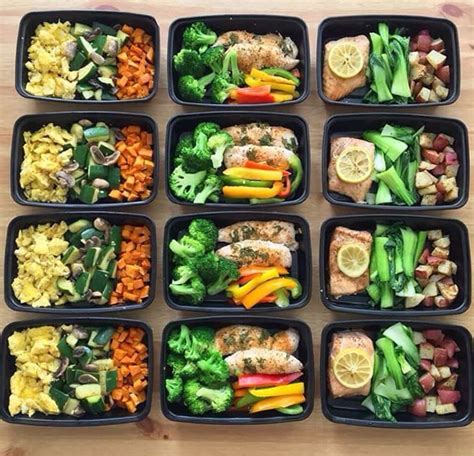
- Plan Ahead: Meal prepping can help ensure you have protein-rich options readily available.
Are There Risks to High Protein Intake?
Concerns about high protein intake and kidney health are often raised. However, in healthy individuals with normal kidney function, there is no strong evidence to suggest that consuming protein within the recommended ranges (up to 2.2 g/kg) causes kidney damage. For those with pre-existing kidney conditions, medical advice is crucial. Moderate increases in protein are generally safe and beneficial for active men.
Conclusion: Finding Your Sweet Spot
For active men seeking optimal muscle gain and recovery, moving beyond the standard RDA for protein is essential. Aiming for 1.6 to 2.2 grams of protein per kilogram of body weight daily, distributed strategically throughout the day, and sourced from high-quality options, provides a robust framework. Listen to your body, track your progress, and adjust your intake based on your training intensity and specific goals. With the right protein strategy, you’ll be well-equipped to support your body’s demands and unlock your full athletic potential.