




How much protein for optimal muscle, energy & peak male performance?

Unlocking Peak Male Performance Through Protein
For men striving for more than just average, protein isn’t merely a supplement; it’s a foundational pillar of health, strength, and vitality. While often associated with bulging biceps, its role extends far beyond muscle aesthetics, profoundly impacting energy, recovery, hormonal balance, and overall physical and mental sharpness.
Understanding the right amount and type of protein can be the game-changer in achieving peak performance, whether in the gym, at work, or simply enjoying a vibrant, active lifestyle. This article delves into how much protein you truly need to optimize every facet of male performance.

The Muscle-Building Powerhouse
Protein is the essential macronutrient for muscle protein synthesis (MPS), the process by which your body repairs and builds new muscle tissue. Intense workouts create micro-tears in muscle fibers, and adequate protein provides the amino acids necessary to rebuild these fibers stronger and larger. Without sufficient protein, your body struggles to recover, leading to diminished gains and increased fatigue.
Beyond repair, protein also plays a crucial role in preventing muscle catabolism – the breakdown of muscle tissue. This is particularly important during periods of caloric deficit or intense training, ensuring that hard-earned muscle mass is preserved while fat is lost.

Sustained Energy and Metabolic Health
Unlike carbohydrates, protein has a minimal impact on blood sugar levels, leading to a more stable and sustained energy release throughout the day. This can help prevent the dreaded energy crashes often associated with high-carb meals, keeping you sharp and focused. Protein also contributes to satiety, making you feel fuller for longer, which can be invaluable for weight management and maintaining consistent energy.
Furthermore, protein has a higher thermic effect of food (TEF) compared to other macronutrients, meaning your body expends more energy digesting and metabolizing it. This subtly boosts your metabolism, contributing to better body composition and efficient energy utilization.
Beyond Brawn: Protein for Overall Male Performance
The benefits of optimal protein intake extend far beyond muscle and energy:
- Hormonal Balance: While not a direct testosterone booster, adequate protein supports overall endocrine health, which is crucial for maintaining healthy hormone levels essential for male vitality and performance.
- Immune Function: Antibodies, key components of the immune system, are made from protein. Sufficient intake helps strengthen your body’s defenses against illness, keeping you in the game.
- Bone Health: Protein provides essential building blocks for bone matrix, working in conjunction with calcium and vitamin D to maintain strong, healthy bones – vital for active men and preventing age-related decline.
- Recovery and Repair: From skin and hair to ligaments and tendons, protein is integral to the repair and regeneration of all body tissues, accelerating recovery from injuries and intense physical activity.

So, How Much Protein Do You Really Need?
The Recommended Dietary Allowance (RDA) for protein is 0.8 grams per kilogram of body weight (0.36 grams per pound), but this is generally considered the minimum to prevent deficiency, not to optimize performance for active men. For those aiming for optimal muscle growth, recovery, and peak performance, significantly higher intakes are often recommended:
- Active Individuals/Athletes: 1.6 to 2.2 grams per kilogram of body weight (0.7 to 1.0 grams per pound) is a common recommendation for strength-training individuals and athletes.
- Weight Loss: Higher protein intake (closer to 2.0-2.5 g/kg) can be beneficial during fat loss phases to preserve muscle mass and enhance satiety.
- Older Adults: As men age, anabolic resistance can occur, meaning more protein is needed to stimulate muscle protein synthesis. Recommendations often fall in the 1.0 to 1.2 grams per kilogram range, or even higher for active older men.
These are general guidelines, and individual needs can vary based on activity level, training intensity, body composition, and specific goals. It’s often beneficial to distribute protein intake evenly throughout the day rather than consuming it all in one or two large meals.
Optimizing Your Protein Intake: Sources and Timing
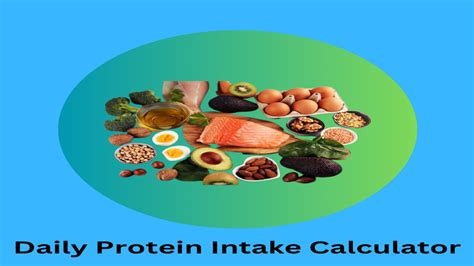
Focus on high-quality protein sources that provide all essential amino acids. These include:
- Animal Sources: Lean meats (chicken, beef, turkey), fish (salmon, tuna), eggs, dairy (Greek yogurt, cottage cheese, milk).
- Plant-Based Sources: Legumes (lentils, beans), tofu, tempeh, edamame, quinoa, nuts, seeds, and plant-based protein powders (pea, soy, rice).
Aim to include a protein source with every meal and snack. The peri-workout window (before and after exercise) is particularly important for maximizing muscle repair and growth, but overall daily intake is the most critical factor. Consider a protein shake post-workout for rapid delivery of amino acids.

Conclusion: Fueling Your Potential
For men seeking to optimize muscle, energy, and achieve peak performance, protein is an indispensable nutrient. Moving beyond the minimal RDA to a higher, more strategic intake — typically between 1.6 to 2.2 grams per kilogram of body weight for active individuals — can unlock significant improvements in strength, recovery, vitality, and overall health.
Prioritizing quality protein sources and distributing your intake throughout the day are key strategies. By making protein a cornerstone of your diet, you’re not just building muscle; you’re investing in a stronger, more energetic, and higher-performing version of yourself.