




How can men over 40 maintain peak strength and testosterone through targeted training?
The Evolving Landscape of Men’s Fitness Post-40
As men cross the threshold of 40, physiological changes begin to accelerate. Testosterone levels, vital for muscle mass, strength, energy, and overall well-being, naturally start to decline by approximately 1% per year. Simultaneously, sarcopenia (age-related muscle loss) becomes a more significant concern, impacting metabolism, bone density, and functional independence. However, these changes are not an inevitable surrender to aging. Through strategically targeted training, men over 40 can not only mitigate these declines but can often reverse them, building impressive strength and optimizing hormonal health.
The key lies in understanding how the body responds differently to exercise with age and adapting training protocols accordingly. This isn’t about training less intensely, but training smarter, focusing on exercises and principles that yield maximum hormonal and strength benefits while minimizing injury risk.

The Pillars of Strength Training for Testosterone Optimization
To effectively boost testosterone and build strength, training must be challenging and systematic. Here are the core components:
1. Compound Movements Are King
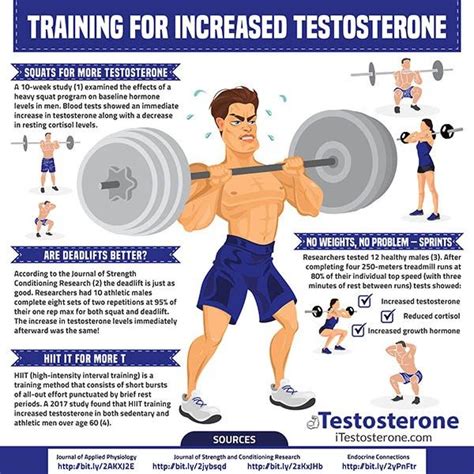
Exercises that engage multiple joints and muscle groups simultaneously are paramount. Think squats, deadlifts, bench presses, overhead presses, and rows. These movements elicit a greater systemic hormonal response compared to isolation exercises, stimulating a surge in testosterone and growth hormone. They also build functional strength that translates directly to daily life.
2. Progressive Overload
To continually build strength and muscle, you must consistently challenge your body. This means gradually increasing the weight lifted, the number of repetitions, the sets, or decreasing rest times over time. Your muscles adapt to stress; without increasing that stress, they have no reason to grow stronger. Tracking your progress is crucial here.
3. Appropriate Intensity and Volume
While often advised to train lighter as they age, men over 40 benefit significantly from lifting heavy (relative to their own capacity) with good form. Aim for weights that allow 5-10 repetitions per set for strength and hypertrophy, ensuring muscular fatigue by the end of each set. Volume should be managed carefully; 3-4 strength training sessions per week, lasting 45-60 minutes, is often optimal for recovery and hormonal balance.
Recovery and Hormonal Harmony: Don’t Underestimate Rest
Training is only half the battle; recovery is where muscles grow and hormones rebalance. Overtraining can be counterproductive, leading to elevated cortisol (stress hormone) and suppressed testosterone. Adequate rest allows the body to repair muscle tissue and optimize hormone production.
1. Prioritize Sleep
Aim for 7-9 hours of quality sleep per night. The majority of testosterone production occurs during deep sleep cycles. Poor sleep is one of the quickest ways to crash testosterone levels.
2. Active Recovery
On rest days, engage in light activities like walking, stretching, or yoga to promote blood flow and reduce muscle soreness without adding significant stress.
3. Stress Management
Chronic stress elevates cortisol, which has a direct inverse relationship with testosterone. Incorporate stress-reducing practices like meditation, mindfulness, or spending time in nature.

Beyond the Gym: The Nutritional Blueprint
Your diet fuels your training and hormonal health. Focus on:
- Adequate Protein: Essential for muscle repair and growth (aim for 1.6-2.2 grams per kg of body weight).
- Healthy Fats: Crucial for hormone production (avocados, nuts, seeds, olive oil).
- Complex Carbohydrates: Provide sustained energy for intense workouts (oats, sweet potatoes, whole grains).
- Micronutrients: Zinc, Magnesium, Vitamin D are particularly important for testosterone synthesis.
Structuring Your Targeted Training Program
A well-structured program for men over 40 might involve:
- Warm-up (10 minutes): Dynamic stretches and light cardio to prepare muscles and joints.
- Workout (40-50 minutes): Focus on 2-3 compound movements per session, followed by 1-2 accessory exercises.
- Cool-down (5-10 minutes): Static stretches to improve flexibility and aid recovery.
Consider a full-body routine 2-3 times a week, or an upper/lower split 4 times a week, ensuring at least one rest day between strength sessions for muscle groups worked.
Example Full-Body Session:
- Barbell Squats: 3-4 sets of 5-8 reps
- Dumbbell Bench Press: 3-4 sets of 8-10 reps
- Barbell Rows: 3-4 sets of 8-10 reps
- Overhead Press: 3 sets of 8-12 reps
- Plank: 3 sets (hold for 30-60 seconds)

Empowering Your Prime Years
Maintaining peak strength and optimizing testosterone after 40 isn’t about clinging to youth; it’s about embracing a proactive approach to health and vitality. By committing to targeted, progressive strength training, prioritizing recovery, and nourishing your body with nutrient-dense foods, you can not only defy age-related decline but enter your prime years with greater physical capacity, mental clarity, and an enhanced quality of life. Consult with a healthcare professional or a certified strength and conditioning specialist before starting any new training regimen, especially if you have pre-existing health conditions.