




How can men optimize testosterone for peak energy & performance naturally?

Unlocking Peak Male Performance: A Natural Approach to Testosterone Optimization
Testosterone, often hailed as the cornerstone of male vitality, plays a crucial role far beyond libido. For men, optimal testosterone levels are intimately linked to sustained energy, cognitive function, mood stability, muscle mass, bone density, and overall physical performance. As men age, or due to various lifestyle factors, these vital hormone levels can naturally decline, leading to a range of symptoms from fatigue and reduced strength to diminished focus and motivation. The good news is that many natural, actionable strategies can significantly impact testosterone production, helping men reclaim their vigor and thrive.
Understanding how to naturally optimize testosterone isn’t about quick fixes, but rather a holistic commitment to lifestyle improvements. This guide will delve into science-backed methods that empower men to boost their T-levels, enhancing both their energy and performance in daily life.
The Multifaceted Role of Testosterone in Men’s Health
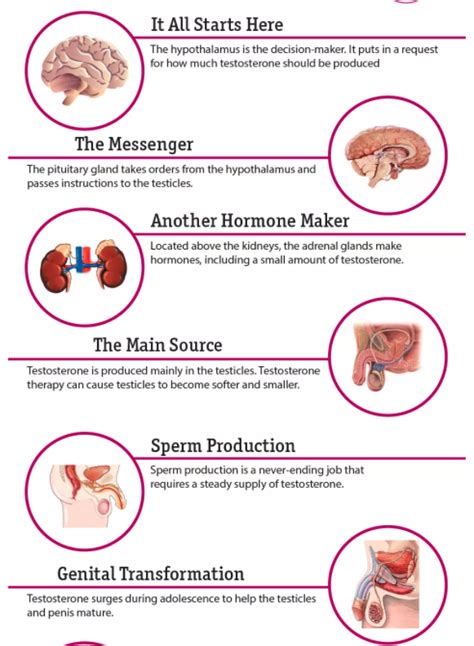
Before diving into optimization strategies, it’s essential to appreciate the broad impact of testosterone. It’s not just a ‘sex hormone’; it’s a critical component of numerous bodily functions. Healthy testosterone levels contribute to:
- Energy Levels: Combats fatigue and boosts overall vitality.
- Muscle Mass & Strength: Supports protein synthesis and muscle growth.
- Bone Density: Essential for strong, healthy bones, reducing osteoporosis risk.
- Mood & Cognition: Influences focus, memory, and emotional well-being, warding off irritability and depression.
- Red Blood Cell Production: Contributes to oxygen transport throughout the body.
- Body Fat Distribution: Helps maintain a leaner physique.
When these levels dip, men can experience a cascade of negative effects, impacting their quality of life. The goal is to create an internal environment that supports the body’s natural ability to produce and utilize this vital hormone efficiently.
Pillars of Natural Testosterone Optimization
1. Strategic Nutrition: Fueling Your Hormones
What you eat directly impacts your hormonal balance. A diet rich in specific nutrients can be a powerful ally in testosterone optimization.
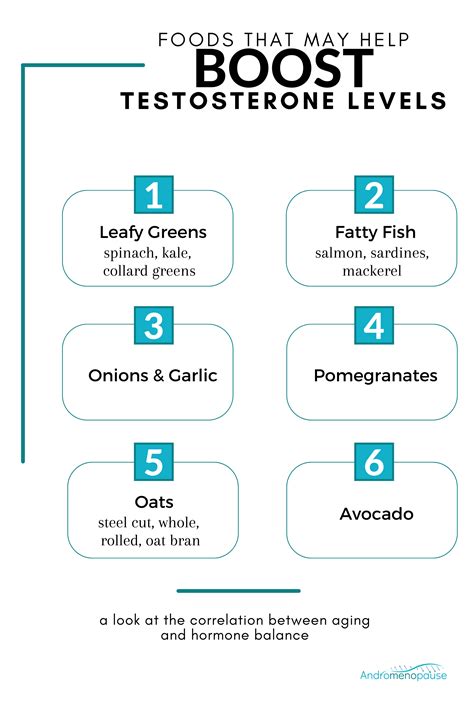
- Healthy Fats: Cholesterol is a precursor to testosterone, so incorporating healthy fats is crucial. Think avocados, olive oil, nuts, seeds, and fatty fish like salmon. Avoid trans fats and excessive saturated fats.
- Lean Protein: Adequate protein intake supports muscle synthesis and overall hormonal health. Include sources like lean meats, poultry, fish, eggs, and legumes.
- Micronutrients: Zinc, Vitamin D, and Magnesium are particularly important.
- Zinc: Found in oysters, red meat, poultry, beans, and nuts. Critical for testosterone production.
- Vitamin D: The ‘sunshine vitamin,’ also found in fatty fish and fortified foods. Low levels are linked to low testosterone.
- Magnesium: Abundant in leafy greens, nuts, seeds, and whole grains. Plays a role in free testosterone levels.
- Limit Processed Foods, Sugar, and Alcohol: These can contribute to inflammation, insulin resistance, and increased body fat, all of which negatively impact testosterone. Excessive alcohol consumption is particularly detrimental.

2. Targeted Exercise: Move for More T
Physical activity, particularly certain types of exercise, is a known booster of testosterone.
- Strength Training: Lifting weights, especially compound movements (squats, deadlifts, bench presses, rows) that engage large muscle groups, has been shown to acutely and chronically increase testosterone levels. Aim for 3-4 sessions per week with adequate rest.
- High-Intensity Interval Training (HIIT): Short bursts of intense exercise followed by brief recovery periods can also stimulate testosterone production and improve overall fitness.
- Avoid Overtraining: While exercise is good, excessive or chronic endurance training without adequate recovery can lead to elevated cortisol (a stress hormone) and actually suppress testosterone. Listen to your body and prioritize recovery.

3. Stress Management & Quality Sleep: The Unsung Heroes
Chronic stress and poor sleep are major testosterone inhibitors.
- Stress Reduction: When stressed, your body releases cortisol. High cortisol levels have a direct negative correlation with testosterone. Incorporate stress-reducing practices like meditation, yoga, deep breathing exercises, spending time in nature, or engaging in hobbies.
- Prioritize Sleep: Most testosterone production occurs during deep sleep. Aim for 7-9 hours of high-quality sleep per night. Establish a consistent sleep schedule, create a dark, cool, and quiet sleep environment, and limit screen time before bed.

4. Maintain a Healthy Weight & Body Composition
Excess body fat, particularly visceral fat around the abdomen, is associated with lower testosterone levels. Adipose tissue contains an enzyme called aromatase, which converts testosterone into estrogen. Losing excess weight through diet and exercise can significantly improve testosterone levels.
5. Sunlight Exposure & Vitamin D
Direct exposure to sunlight helps your body synthesize Vitamin D. As mentioned, Vitamin D is crucial for testosterone production. Aim for 15-30 minutes of direct sun exposure daily, especially during peak UV hours, or consider supplementation under medical guidance, especially in darker months or regions.
Conclusion: A Holistic Path to Vitality
Optimizing testosterone naturally is not a single action but a comprehensive lifestyle commitment. By strategically focusing on nutrient-dense foods, engaging in effective exercise, mastering stress management, prioritizing quality sleep, and maintaining a healthy weight, men can significantly support their body’s natural ability to produce and maintain healthy testosterone levels. This holistic approach not only boosts energy and performance but also contributes to overall health, well-being, and a renewed sense of vitality. Remember, if you suspect you have clinically low testosterone or are experiencing persistent symptoms, it’s always best to consult with a healthcare professional to get an accurate diagnosis and personalized advice.