




How can men optimize strength gains while minimizing injury risk?

The Dual Pursuit: Strength and Safety
For many men, the quest for increased strength and muscle mass is a core component of their fitness journey. However, this pursuit often comes with an inherent risk of injury if not approached thoughtfully. Achieving optimal strength gains isn’t just about lifting heavy; it’s about smart, sustainable progression that safeguards your body for long-term success. This guide will outline key strategies for men to maximize their strength potential while keeping injury risk to an absolute minimum.
Prioritize Impeccable Form Over Heavy Weight
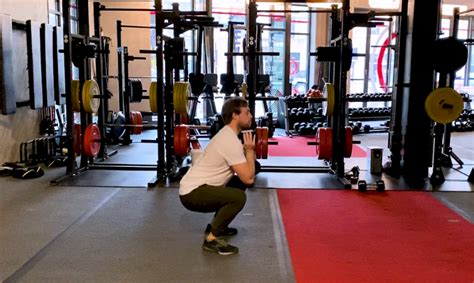
The foundation of both effective strength training and injury prevention is proper exercise form. Rushing to lift heavier weights without mastering the movement pattern is a fast track to injury. Focus on controlled repetitions, engaging the correct muscles, and maintaining proper posture throughout the entire range of motion. It’s far better to lift a lighter weight with perfect form than a heavy weight with sloppy execution. Consider video recording yourself to identify areas for improvement or seek guidance from a certified strength coach.
Implement Progressive Overload Smartly
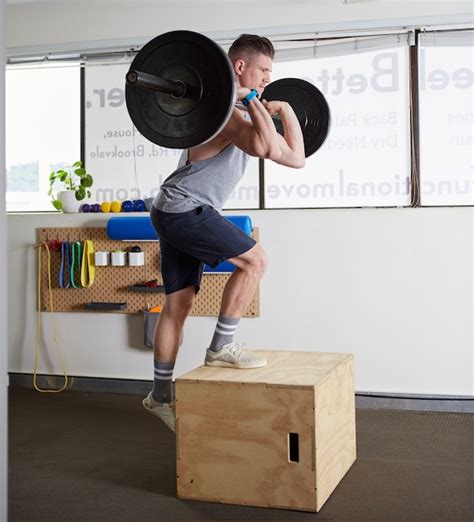
Progressive overload is the fundamental principle for building strength and muscle, meaning you must continually challenge your muscles beyond their current capacity. However, ‘progressive’ doesn’t always mean simply adding more weight. It can also involve increasing repetitions, sets, decreasing rest times, improving time under tension, or using more challenging exercise variations. The key is gradual, consistent progression, allowing your body time to adapt without being overwhelmed. Avoid drastic jumps in weight, especially on compound lifts.

Integrate Warm-up, Cool-down, and Mobility Work
A comprehensive fitness routine extends beyond just the lifting portion. A dynamic warm-up prepares your muscles, joints, and nervous system for the impending workout, increasing blood flow and improving flexibility. Post-workout, a cool-down involving static stretching helps restore muscles to their resting length and aids recovery. Furthermore, regular mobility work (e.g., foam rolling, targeted stretches) outside of your immediate workout can address tight areas and improve overall joint health, reducing the likelihood of impingement or strain.
Embrace Adequate Recovery and Nutrition
Muscle growth and strength gains occur during rest, not during the workout itself. Ensuring 7-9 hours of quality sleep per night is paramount for hormonal balance and muscle repair. Equally important is a nutrient-dense diet rich in lean proteins for muscle synthesis, complex carbohydrates for energy, and healthy fats for overall bodily functions. Hydration also plays a critical role in joint lubrication and metabolic processes. Neglecting these aspects not only hinders progress but also makes you more susceptible to injury due to fatigued muscles and tissues.

Listen to Your Body and Consider Periodization
Understanding the difference between muscle soreness and pain is crucial. Sharp, persistent pain, especially in joints, is a red flag and should not be ignored. Don’t push through pain; instead, rest, modify the exercise, or seek professional advice. Incorporating periodization into your training plan, which involves varying the intensity and volume of your workouts over time, can also be highly beneficial. This approach includes planned deload weeks where you reduce training stress, allowing your body to fully recover and resensitize to training stimuli, further reducing overtraining and injury risk.
Conclusion
Optimizing strength gains while minimizing injury risk for men is a holistic endeavor. It requires a commitment to proper form, intelligent progressive overload, consistent recovery, sound nutrition, and an attentive ear to your body’s signals. By integrating these strategies, men can build a resilient, strong physique that not only looks impressive but also stands the test of time, allowing for a lifetime of healthy and effective training.