





How can men optimize sleep for peak recovery, energy, & cognitive performance?
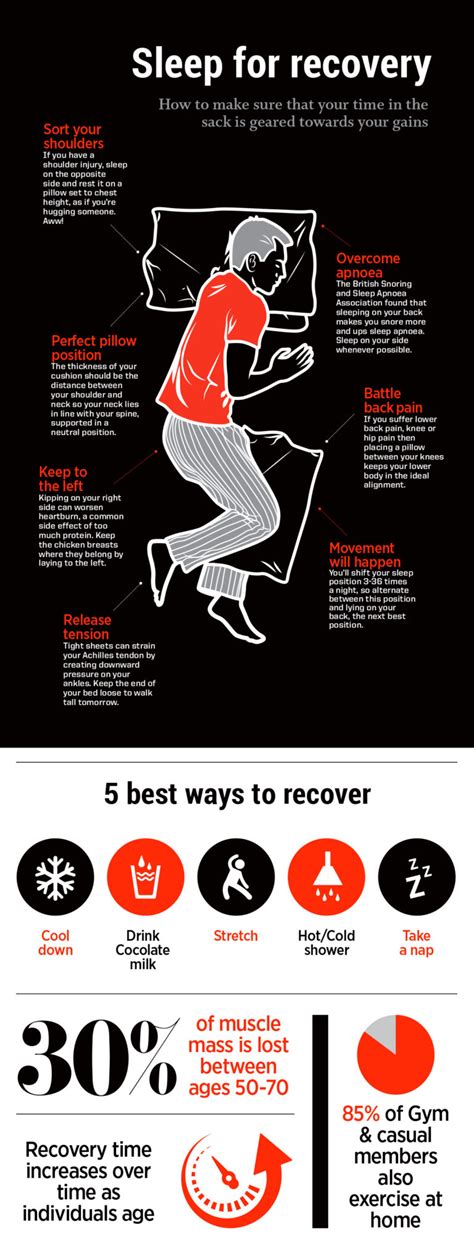
In the relentless pursuit of peak physical, mental, and professional performance, men often overlook one of the most powerful tools at their disposal: quality sleep. Far from being a mere period of inactivity, sleep is a dynamic, restorative process vital for everything from muscle repair and hormone regulation to memory consolidation and mood stability. For men aiming to maximize their potential, understanding and optimizing sleep is not a luxury, but a fundamental necessity.
The Undeniable Link: Sleep, Recovery, & Performance
During sleep, the body undertakes critical restorative processes. For men, this includes the release of growth hormone, essential for muscle repair and fat metabolism, and the regulation of testosterone, which impacts energy, libido, and muscle mass. Poor sleep can disrupt these hormonal balances, leading to decreased physical recovery, increased body fat, and reduced cognitive sharpness. Moreover, adequate sleep bolsters the immune system, making you more resilient to illness and able to maintain consistent training and work schedules.

Mastering Your Circadian Rhythm: Consistency is Key
The human body operates on a natural 24-hour cycle known as the circadian rhythm, which dictates our sleep-wake patterns. A cornerstone of optimal sleep is establishing a consistent sleep schedule. Aim to go to bed and wake up at roughly the same time every day, including weekends. This regularity helps to calibrate your internal clock, promoting easier fall-asleep times and more refreshing awakenings. Exposing yourself to natural light first thing in the morning and minimizing bright lights (especially blue light from screens) in the evening further supports a healthy circadian rhythm.
Crafting the Ultimate Sleep Environment
Your bedroom should be a sanctuary dedicated to sleep. Focus on creating an environment that is dark, cool, and quiet. Blackout curtains or an eye mask can eliminate light pollution. The ideal sleep temperature is typically between 60-67°F (15-19°C), as a cooler room helps facilitate the drop in core body temperature needed for sleep onset. Minimize noise with earplugs, a white noise machine, or by ensuring windows are sealed. A comfortable mattress and pillows tailored to your sleep position are also paramount for physical comfort and alignment.

Pre-Sleep Rituals: Winding Down for Success
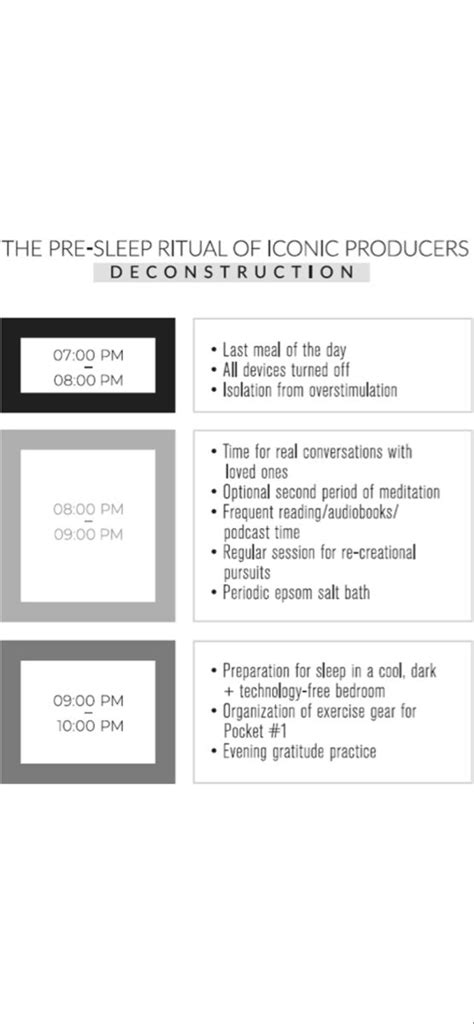
Just as a car needs to decelerate before stopping, your body needs a period to wind down before sleep. Establish a consistent pre-sleep routine 30-60 minutes before bedtime. This could include reading a physical book, taking a warm bath or shower, light stretching, or practicing mindfulness and meditation. Crucially, avoid stimulating activities such as intense exercise, heavy meals, excessive alcohol, and screen time (phones, tablets, computers, TVs) in the hours leading up to sleep, as these can disrupt melatonin production and keep your brain wired.
Nutrition, Exercise, & Supplements: Fueling Better Sleep
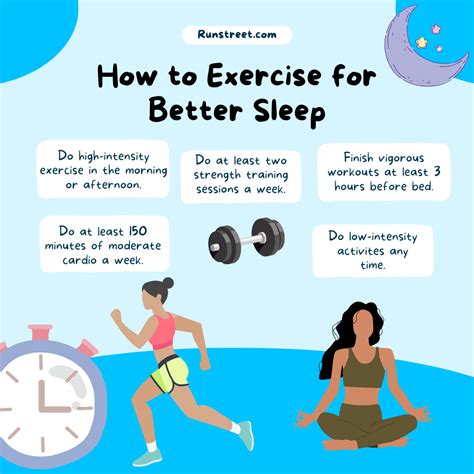
Lifestyle choices significantly impact sleep quality. A balanced diet rich in whole foods, lean proteins, and healthy fats supports overall health and sleep. Avoid heavy, spicy, or sugary meals close to bedtime, which can cause indigestion and disrupt sleep. Regular physical activity is a potent sleep enhancer, but time your workouts wisely – vigorous exercise too close to bedtime can be stimulating. While a balanced diet should be the primary focus, certain supplements like magnesium (which aids muscle relaxation) or low-dose melatonin (for temporary rhythm adjustment) can sometimes be beneficial, but always consult a healthcare professional before starting any new supplement regimen.
Tackling Sleep Disruptors: Stress & Lifestyle Choices
Chronic stress is a notorious sleep thief, leading to racing thoughts and difficulty unwinding. Incorporate stress-management techniques into your daily life, such as exercise, meditation, spending time in nature, or engaging in hobbies. Be mindful of caffeine and alcohol intake; while caffeine can help productivity during the day, it has a long half-life and can disrupt sleep if consumed late. Alcohol might initially make you feel sleepy, but it fragments sleep later in the night, reducing its restorative quality.

When to Seek Professional Guidance
While adopting healthy sleep hygiene practices is effective for most, some men may face persistent sleep challenges. If you regularly struggle to fall asleep, stay asleep, experience excessive daytime fatigue, or suspect conditions like sleep apnea (characterized by loud snoring and pauses in breathing), it’s crucial to consult a doctor. A healthcare professional can diagnose underlying issues and recommend appropriate treatments, ensuring your sleep isn’t just optimized, but healthy.
Conclusion: Prioritize Sleep, Unlock Your Potential
Optimizing sleep is not about sacrificing time; it’s an investment in your physical health, mental clarity, and overall performance. By implementing consistent schedules, perfecting your sleep environment, establishing calming pre-sleep rituals, and making informed lifestyle choices, men can unlock a profound source of recovery, energy, and cognitive power. Make sleep a non-negotiable priority, and watch as your capacity for achievement in every area of life reaches new heights.