




How can men optimize diet to boost testosterone, muscle, & cognitive performance?

The Foundational Role of Diet in Men’s Health
For men seeking to enhance their vitality, strength, and mental acuity, diet stands as an undeniable cornerstone. The food choices we make profoundly impact hormonal balance, cellular repair, and neurological function. Optimizing your diet isn’t just about weight management; it’s a strategic approach to boosting testosterone, fostering lean muscle mass, and sharpening cognitive performance to unlock your full potential.
This comprehensive guide delves into specific nutritional strategies, identifying key macronutrients, micronutrients, and food groups that are essential for men aiming to achieve peak physical and mental health.
Boosting Testosterone Through Strategic Nutrition
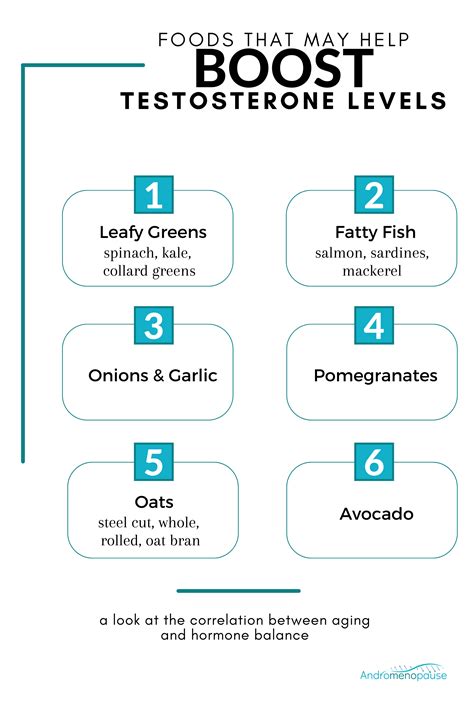
Testosterone is a critical hormone for men, influencing everything from muscle mass and bone density to mood and libido. While age naturally causes a decline, dietary interventions can play a significant role in maintaining healthy levels.
Prioritize Healthy Fats
Dietary fats, particularly monounsaturated and saturated fats, are crucial for hormone production, including testosterone. Don’t fear healthy fats; embrace them.
- Monounsaturated Fats: Found in olive oil, avocados, and nuts.
- Saturated Fats: While often demonized, moderate intake from sources like red meat, egg yolks, and coconut oil is beneficial for cholesterol, a precursor to testosterone.
- Omega-3 Fatty Acids: Though primarily known for anti-inflammatory properties, they also support overall endocrine health. Sources include fatty fish (salmon, mackerel), flaxseeds, and walnuts.
Incorporate Zinc and Vitamin D
These two micronutrients are heavily implicated in testosterone synthesis. Deficiencies are common and can significantly impact hormone levels.
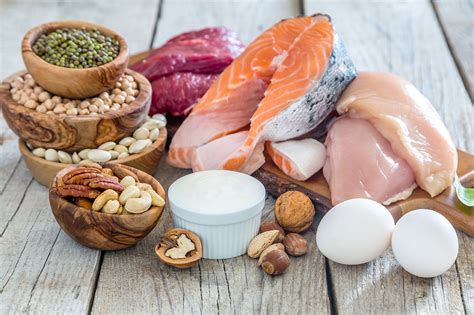
- Zinc: Abundant in oysters, red meat, poultry, beans, and nuts. Zinc is vital for numerous enzymatic reactions, including those involved in testosterone production.
- Vitamin D: Often referred to as the ‘sunshine vitamin,’ it also functions as a steroid hormone. While sun exposure is the primary source, dietary sources include fatty fish, fortified milk, and egg yolks. Supplementation may be necessary, especially in regions with limited sunlight.
Cruciferous Vegetables for Estrogen Balance
Vegetables like broccoli, cauliflower, Brussels sprouts, and cabbage contain compounds (e.g., indole-3-carbinol) that help the body metabolize estrogen, preventing its excessive accumulation which can counteract testosterone’s effects.
Fueling Muscle Growth and Repair
Building and maintaining muscle mass requires a consistent supply of specific nutrients to support protein synthesis and recovery.
High-Quality Protein is Paramount
Protein is the building block of muscle. Aim for 1.6-2.2 grams of protein per kilogram of body weight, distributed throughout the day.
- Animal Sources: Lean meats (chicken, beef, turkey), fish, eggs, and dairy (whey protein, Greek yogurt) offer complete amino acid profiles.
- Plant Sources: Legumes, quinoa, tofu, tempeh, and a variety of nuts and seeds can provide adequate protein for those following plant-based diets, often requiring careful combination.
Complex Carbohydrates for Energy
Carbohydrates fuel workouts and replenish glycogen stores, which are crucial for muscle recovery and growth. Opt for complex carbohydrates that provide sustained energy and essential fiber.
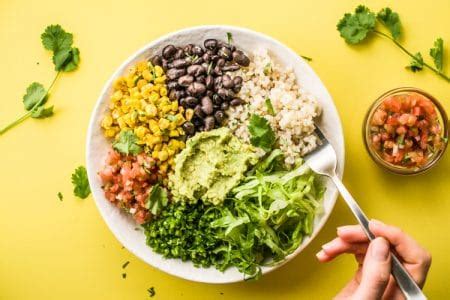
- Whole Grains: Oats, brown rice, quinoa, whole-wheat bread.
- Starchy Vegetables: Sweet potatoes, potatoes, corn.
- Fruits: Berries, bananas, apples provide quick energy and antioxidants.
Strategic Nutrient Timing
While overall daily intake is most important, consuming protein and carbohydrates around workouts can optimize recovery and muscle protein synthesis. A post-workout meal or shake containing both is ideal.
Enhancing Cognitive Performance Through Diet
A sharp mind is just as important as a strong body. Diet plays a significant role in brain health, memory, focus, and overall cognitive function.
Omega-3 Fatty Acids for Brain Power
EPA and DHA, two types of omega-3s, are critical components of brain cell membranes and are essential for neuronal function and communication.
- Fatty Fish: Salmon, mackerel, sardines, and trout are rich sources.
- Flaxseeds & Chia Seeds: Good plant-based sources of ALA, which the body can convert to EPA and DHA, albeit inefficiently.

Antioxidant-Rich Foods
The brain is susceptible to oxidative stress. Antioxidants help protect brain cells from damage.
- Berries: Blueberries, strawberries, raspberries are packed with anthocyanins.
- Dark Leafy Greens: Spinach, kale, collard greens provide vitamins K, lutein, and folate.
- Dark Chocolate: Contains flavonoids, which can improve blood flow to the brain.
B Vitamins and Hydration
B vitamins (B6, B9/folate, B12) are crucial for nerve function and neurotransmitter synthesis. Good sources include whole grains, leafy greens, eggs, and meat. Adequate hydration is also vital for brain function; even mild dehydration can impair concentration and mood.
Micronutrients and Foods to Limit
Key Micronutrients for Overall Health
Beyond zinc and vitamin D, ensure you’re getting adequate magnesium (nuts, seeds, leafy greens), selenium (Brazil nuts, seafood), and potassium (bananas, potatoes) for optimal physiological function.
Foods to Limit or Avoid
To truly optimize your diet, it’s equally important to minimize foods that hinder your progress.
- Excessive Sugar and Refined Carbs: Can lead to insulin resistance, inflammation, and negatively impact testosterone and cognitive function.
- Processed Foods: Often high in unhealthy fats, sodium, and artificial ingredients.
- Unhealthy Trans Fats: Found in some processed foods, these contribute to inflammation and poor cardiovascular health.
- Excessive Alcohol: Can impair liver function, disrupt hormone balance, and negatively affect sleep and recovery.
Implementing a Sustainable, Optimized Diet
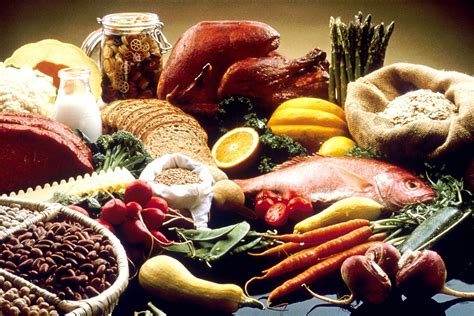
Optimizing your diet for testosterone, muscle, and cognitive performance is not about restrictive eating but about making informed, consistent choices. Focus on nutrient-dense whole foods, balance your macronutrients, prioritize key micronutrients, and stay hydrated.
Listen to your body, track your progress, and adjust your intake as needed. While diet is a powerful tool, it works best in conjunction with regular strength training, adequate sleep, and stress management for a truly holistic approach to men’s health.