




How can men naturally optimize testosterone for strength & vitality?

Understanding Testosterone’s Role
Testosterone, often hailed as the king of male hormones, plays a pivotal role far beyond just sexual health. It’s crucial for muscle mass and strength, bone density, red blood cell production, mood regulation, cognitive function, and overall energy levels. As men age, testosterone levels naturally begin to decline, often leading to symptoms such as decreased libido, fatigue, loss of muscle mass, increased body fat, and mood disturbances. While pharmaceutical interventions exist, many men are seeking natural, sustainable ways to optimize their testosterone for long-term health and well-being.
The Cornerstone: Diet and Nutrition
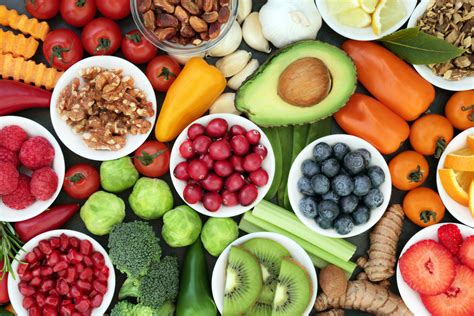
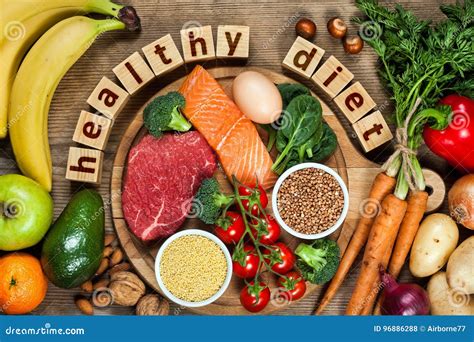
What you eat directly impacts your hormone production. A balanced diet rich in specific nutrients is fundamental for natural testosterone optimization.
Prioritize Healthy Fats
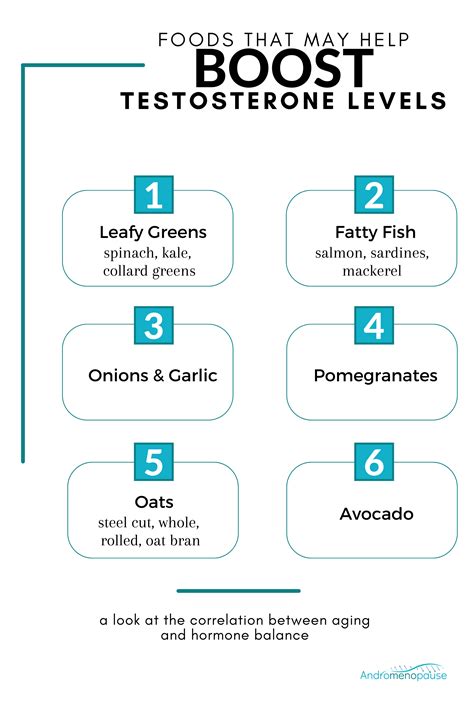
Cholesterol is a precursor to testosterone, so consuming healthy fats is essential. Include sources like avocados, nuts, seeds, olive oil, and fatty fish (salmon, mackerel) rich in omega-3s. Avoid trans fats and excessive saturated fats from processed foods, which can negatively impact hormone health.
Optimize Micronutrients
Key vitamins and minerals are vital. Zinc is directly involved in testosterone production; good sources include red meat, shellfish, legumes, and seeds. Vitamin D, often called the ‘sunshine vitamin,’ is also a pro-hormone crucial for testosterone synthesis. Aim for sun exposure or supplement if necessary. Magnesium, found in leafy greens, nuts, and whole grains, can also support free testosterone levels by reducing binding to sex hormone-binding globulin (SHBG).
Manage Carbohydrates and Protein
While often demonized, complex carbohydrates are important for energy and preventing cortisol spikes, which can suppress testosterone. Pair them with adequate protein intake (lean meats, poultry, eggs, dairy, plant-based proteins) to support muscle repair and growth, which indirectly aids testosterone production.
Exercise: Move for More T
Regular physical activity, particularly certain types of exercise, is a powerful natural testosterone booster.
Embrace Strength Training
Lifting heavy weights, especially compound exercises like squats, deadlifts, bench presses, and rows, stimulates a significant testosterone response. Aim for 3-4 sessions per week, focusing on progressive overload and sufficient rest between sets. The goal is to challenge your muscles to grow, as muscle mass is correlated with higher testosterone.
Incorporate High-Intensity Interval Training (HIIT)
Short bursts of intense exercise followed by brief recovery periods can also effectively boost testosterone. HIIT workouts are time-efficient and can contribute to fat loss, which is beneficial since excess body fat (especially visceral fat) can convert testosterone into estrogen.
Avoid Chronic Overtraining
While exercise is good, too much can be detrimental. Chronic, intense cardio or overtraining without adequate recovery can lead to increased cortisol and decreased testosterone. Listen to your body and ensure sufficient rest and recovery.

Sleep: The Unsung Hero
Sleep is when your body repairs and regenerates, including hormone production. Chronic sleep deprivation is a major contributor to low testosterone.
Prioritize 7-9 Hours of Quality Sleep
Studies show that even a week of restricted sleep can significantly lower testosterone levels in young, healthy men. Aim for 7-9 hours of uninterrupted sleep per night. Establish a consistent sleep schedule, create a dark, cool, and quiet sleep environment, and avoid screens before bedtime.
Manage Stress Levels
Chronic stress leads to elevated cortisol, which has an inverse relationship with testosterone. Techniques like meditation, deep breathing exercises, yoga, spending time in nature, or engaging in hobbies can help manage stress and support a healthier hormonal balance.
Lifestyle Factors for Optimal Hormone Health
Beyond diet, exercise, and sleep, several other lifestyle choices can influence your testosterone levels.
Limit Alcohol Consumption
Excessive alcohol intake can disrupt the endocrine system, impairing testicular function and leading to lower testosterone levels. Moderate consumption is generally considered fine, but heavy drinking should be avoided.
Maintain a Healthy Body Weight
As mentioned, excess body fat, particularly around the abdomen, is associated with lower testosterone. Adipose tissue contains aromatase, an enzyme that converts testosterone into estrogen. Losing weight through a combination of diet and exercise can significantly improve testosterone levels.
Minimize Exposure to Endocrine Disruptors
Certain chemicals in plastics (BPA, phthalates), pesticides, and personal care products can mimic hormones or interfere with their production. Opt for natural alternatives, use glass containers, and choose organic produce when possible to reduce exposure.
The Takeaway: A Holistic Approach
Naturally optimizing testosterone for strength and vitality isn’t about a single magic pill or quick fix; it’s about adopting a holistic approach to health. By consistently implementing strategies across diet, exercise, sleep, and stress management, men can significantly improve their hormonal balance, leading to enhanced physical strength, mental clarity, energy, and an overall improved quality of life. Consult with a healthcare professional before making significant lifestyle changes, especially if you suspect a hormonal imbalance.