




How can men naturally optimize testosterone for peak energy & muscle growth?

Understanding Testosterone’s Vital Role
Testosterone, often called the primary male sex hormone, is far more than just a driver of libido. It plays a pivotal role in numerous physiological processes critical for men’s overall health, energy, and physical performance. Optimal testosterone levels contribute significantly to muscle mass development, bone density, red blood cell production, mood regulation, cognitive function, and maintaining robust energy levels throughout the day.
As men age, testosterone levels naturally begin to decline, often leading to symptoms like reduced energy, decreased muscle mass, increased body fat, lower libido, and mood disturbances. However, modern lifestyles can accelerate this decline even in younger men. The good news is that many natural, actionable strategies can help men optimize their testosterone production, allowing them to reclaim their vitality and achieve peak physical condition.

Fueling Your Hormones: The Power of Nutrition
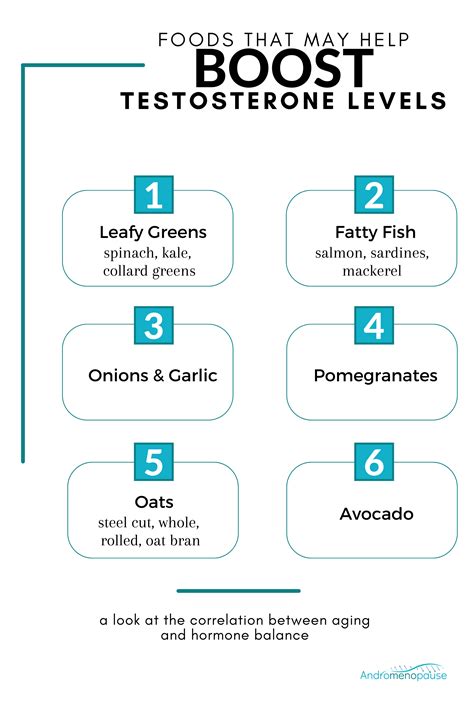
What you eat directly impacts your body’s ability to produce hormones, including testosterone. A diet rich in whole, unprocessed foods is fundamental. Focus on incorporating a balanced intake of macronutrients and essential micronutrients.
- Healthy Fats: Crucial for hormone production, healthy fats like monounsaturated and polyunsaturated fats (found in avocados, nuts, olive oil, fatty fish) should be a cornerstone of your diet. Cholesterol, a precursor to testosterone, is derived from dietary fats, so don’t shy away from healthy sources.
- Quality Protein: Adequate protein intake (from lean meats, poultry, fish, eggs, legumes) is essential for muscle repair and growth, which in turn supports a body composition favorable for testosterone production. Aim for 0.7-1 gram per pound of body weight.
- Complex Carbohydrates: While often demonized, complex carbs (like whole grains, fruits, vegetables) provide energy for workouts and replenish glycogen stores, preventing your body from resorting to muscle breakdown for fuel, which can negatively impact testosterone.
Beyond macronutrients, specific vitamins and minerals are critical. Zinc is a known testosterone booster, found in oysters, red meat, beans, and nuts. Vitamin D, more accurately a hormone, is vital for testosterone synthesis; sunlight exposure and supplements are key. Magnesium, found in leafy greens, nuts, and seeds, also plays a significant role in free testosterone levels.
Strategic Exercise for Testosterone Boost
Exercise is a potent stimulator of testosterone, but not all workouts are created equal. The right approach can significantly impact your hormonal profile.
Resistance Training: Lifting heavy weights, particularly compound movements like squats, deadlifts, bench presses, and rows, is arguably the most effective exercise for boosting testosterone. These exercises engage large muscle groups, leading to a greater hormonal response. Aim for 3-4 sessions per week with adequate rest between. Focus on progressive overload, continually challenging your muscles.
High-Intensity Interval Training (HIIT): Short bursts of intense activity followed by brief recovery periods have also been shown to elevate testosterone. Incorporating HIIT into your routine a couple of times a week can complement your strength training efforts without leading to overtraining.
Avoid Overtraining and Chronic Cardio: While beneficial for cardiovascular health, excessive long-duration, moderate-intensity cardio can sometimes elevate cortisol (the stress hormone), which can counteract testosterone production. Balance is key; integrate cardio thoughtfully.

The Underrated Pillars: Sleep and Stress Management
Often overlooked, sleep and stress are paramount to maintaining healthy testosterone levels.
Prioritizing Restful Sleep
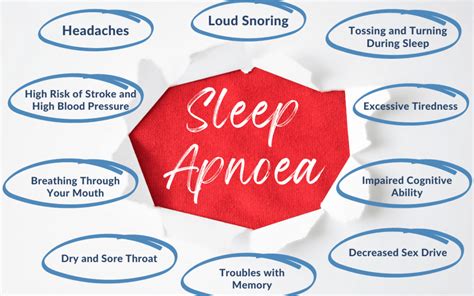
Your body produces the majority of its daily testosterone during sleep. Consistently getting 7-9 hours of high-quality, uninterrupted sleep each night is non-negotiable for optimal hormone production. Poor sleep directly correlates with lower testosterone levels, impacting both energy and muscle recovery. Establish a consistent sleep schedule, create a dark, cool, and quiet sleep environment, and limit screen time before bed.
Mastering Stress for Hormonal Balance
Chronic stress leads to elevated cortisol levels. Cortisol and testosterone have an inverse relationship; as one rises, the other tends to fall. Managing stress through practices like meditation, deep breathing exercises, yoga, spending time in nature, or engaging in hobbies can significantly reduce cortisol and help maintain healthy testosterone. Learning to cope effectively with daily stressors is a powerful tool in your hormonal optimization arsenal.
Lifestyle Choices for Optimal Testosterone
Beyond diet, exercise, sleep, and stress, several other lifestyle factors contribute to a healthy hormonal environment.
Limit Alcohol and Avoid Smoking: Excessive alcohol consumption can directly impair testosterone production, while smoking has been linked to lower levels of the hormone. Moderation and cessation are crucial steps for optimizing your endocrine system.
Avoid Endocrine Disruptors: Be mindful of exposure to xenoestrogens found in plastics (BPA, phthalates), pesticides, and certain personal care products, as these can mimic estrogen in the body and potentially disrupt hormone balance. Opt for glass or stainless steel containers, and choose natural, organic products where possible.
Maintain a Healthy Body Weight: Being overweight or obese, especially carrying excess abdominal fat, can convert testosterone into estrogen, further lowering free testosterone levels. Achieving and maintaining a healthy body fat percentage through diet and exercise is vital for hormonal health.

Natural Supplements: Supporting Your Foundation
While no supplement can replace the foundational work of diet, exercise, sleep, and stress management, certain natural compounds can offer supportive benefits:
- Vitamin D3: Crucial for many bodily functions, including hormone production. If sun exposure is limited, supplementation is often recommended.
- Zinc: Important for testosterone synthesis; often supplemented in cases of deficiency.
- Magnesium: Plays a role in free testosterone levels and muscle function.
- Ashwagandha: An adaptogenic herb shown to reduce cortisol levels and, in some studies, increase testosterone.
- Fenugreek: Some research suggests it may help boost free and total testosterone levels.
Always consult with a healthcare professional before starting any new supplement regimen to ensure it’s appropriate for your individual needs and to avoid potential interactions.

Conclusion: A Holistic Path to Peak Performance
Optimizing testosterone naturally is not about finding a single magic bullet; it’s about adopting a comprehensive, holistic approach to men’s health. By consistently focusing on a nutrient-dense diet, engaging in strategic exercise, prioritizing restorative sleep, effectively managing stress, and making mindful lifestyle choices, men can empower their bodies to produce testosterone optimally. This synergistic approach will not only help you achieve peak energy and significant muscle growth but also contribute to improved mood, cognitive function, and overall well-being, paving the way for a more vibrant and energetic life.