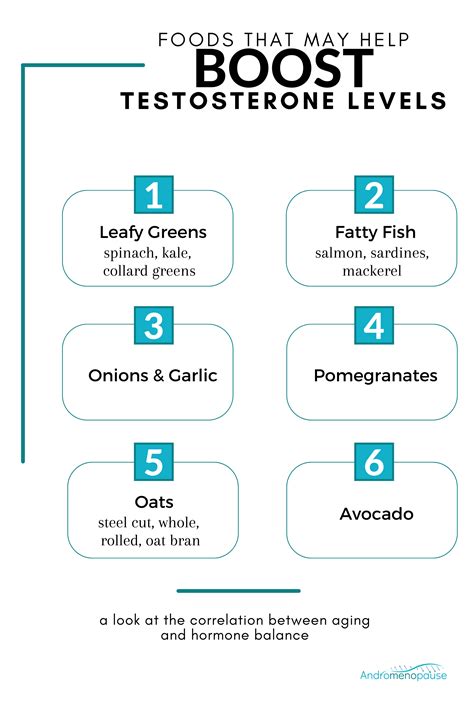





How can men naturally boost testosterone for peak performance and vitality?
Understanding Testosterone and Its Importance
Testosterone, the primary male sex hormone, plays a crucial role in men’s health beyond just libido and muscle mass. It influences energy levels, mood, cognitive function, bone density, red blood cell production, and even fat distribution. As men age, testosterone levels naturally decline, often leading to symptoms such as fatigue, decreased muscle mass, increased body fat, reduced sex drive, and mood changes. While synthetic options exist, many men are seeking natural ways to optimize their testosterone for sustained peak performance and vitality.
Boosting testosterone naturally involves a holistic approach that addresses lifestyle, diet, and exercise. It’s about creating an optimal environment for your body to produce this vital hormone efficiently.

The Cornerstone of Testosterone: Strength Training and Exercise
Regular physical activity, especially resistance training, is one of the most effective natural testosterone boosters. Heavy, compound lifts that engage multiple muscle groups – such as squats, deadlifts, bench presses, and rows – stimulate a significant hormonal response.
- High-Intensity Interval Training (HIIT): Short bursts of intense exercise followed by brief recovery periods have also been shown to increase testosterone levels.
- Avoid Overtraining: While exercise is good, excessive endurance training without adequate recovery can actually decrease testosterone. Find a balance that suits your body.
- Consistency is Key: Regular workouts, 3-5 times a week, are more beneficial than sporadic intense sessions.
Fueling Your Hormones: Diet and Nutrition Strategies
What you eat directly impacts your hormonal balance. A well-rounded, nutrient-dense diet is essential for optimal testosterone production.
Prioritize Healthy Fats
Dietary fats, particularly monounsaturated and saturated fats, are crucial for hormone synthesis. Don’t fear healthy fats!
- Sources: Avocados, nuts (almonds, walnuts), olive oil, coconut oil, fatty fish (salmon, mackerel), egg yolks, and lean red meat.
Adequate Protein Intake
Protein supports muscle growth and recovery, which indirectly aids testosterone production through exercise benefits.
- Sources: Lean meats, poultry, fish, eggs, dairy, legumes, and protein powders.
Complex Carbohydrates
Carbs provide energy for workouts and help regulate cortisol levels. Choose complex carbs over refined sugars.
- Sources: Whole grains, fruits, vegetables, and legumes.
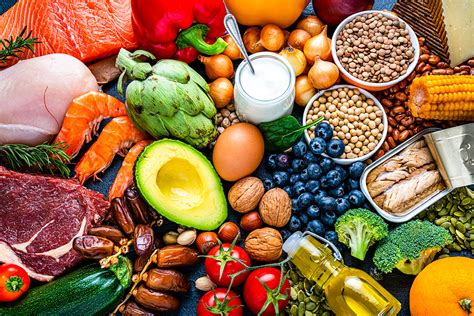
Key Micronutrients for Testosterone
- Zinc: Essential for testosterone production. Found in oysters, red meat, poultry, beans, and nuts.
- Vitamin D: More of a hormone than a vitamin, adequate levels are strongly linked to higher testosterone. Get regular sun exposure or consider supplementation.
- Magnesium: Plays a role in over 300 bodily processes, including testosterone regulation. Found in leafy greens, nuts, seeds, and whole grains.
The Power of Rest: Sleep and Stress Management
Two often-overlooked factors in hormone optimization are sleep quality and stress levels.
Optimize Your Sleep
Most of your testosterone is produced while you sleep. Chronic sleep deprivation can significantly lower testosterone levels.
- Aim for 7-9 hours of quality sleep per night.
- Establish a consistent sleep schedule.
- Improve sleep hygiene: dark, cool room; avoid screens before bed; limit caffeine/alcohol in the evening.

Manage Stress Effectively
When you’re stressed, your body produces cortisol, the stress hormone. High cortisol levels can suppress testosterone production.
- Practice mindfulness and meditation.
- Engage in relaxing hobbies.
- Spend time in nature.
- Consider adaptogenic herbs like Ashwagandha (discussed below).
Natural Supplements and Lifestyle Adjustments
While diet, exercise, and sleep are foundational, certain natural supplements and lifestyle choices can offer additional support.
- Fenugreek: Some studies suggest fenugreek seeds can boost testosterone and improve libido.
- Ashwagandha: An adaptogenic herb that can reduce stress (and thus cortisol) and has shown promise in boosting testosterone.
- Ginger: Research indicates ginger may increase testosterone levels and improve male fertility.
- Avoid Endocrine Disruptors: Limit exposure to chemicals found in plastics (BPA), pesticides, and certain personal care products that can mimic or interfere with hormones.
- Maintain a Healthy Weight: Obesity, particularly abdominal fat, is strongly linked to lower testosterone. Losing excess weight can significantly improve levels.
- Limit Alcohol: Excessive alcohol consumption can negatively impact testosterone production. Moderate intake is key.

Conclusion: A Holistic Path to Vitality
Naturally boosting testosterone for peak performance and vitality is not about quick fixes, but rather a commitment to a healthy, balanced lifestyle. By prioritizing strength training, a nutrient-rich diet, adequate sleep, and effective stress management, men can optimize their hormonal health. These natural strategies not only support healthy testosterone levels but also contribute to overall well-being, leading to increased energy, better mood, improved body composition, and a higher quality of life. Consult with a healthcare professional before making significant dietary or lifestyle changes, especially if you have underlying health conditions.