




How can men naturally boost testosterone for peak energy & strength?

Testosterone, often called the primary male sex hormone, plays a crucial role beyond just libido. It’s fundamental for maintaining energy levels, building muscle mass, bone density, mood regulation, and even cognitive function. As men age, testosterone levels naturally begin to decline, but lifestyle factors can accelerate this process or, conversely, help keep levels optimized. The good news is that many natural approaches can significantly influence your body’s testosterone production, leading to improved vitality, strength, and overall well-being.
Understanding Testosterone’s Importance
Low testosterone (hypogonadism) can manifest through various symptoms, including chronic fatigue, decreased muscle mass, increased body fat, reduced sex drive, irritability, and difficulty concentrating. While medical interventions exist, many men are seeking holistic, natural methods to support their hormone health. Boosting testosterone naturally involves a multi-faceted approach, focusing on key pillars of health.
Strategic Nutrition for Hormone Health
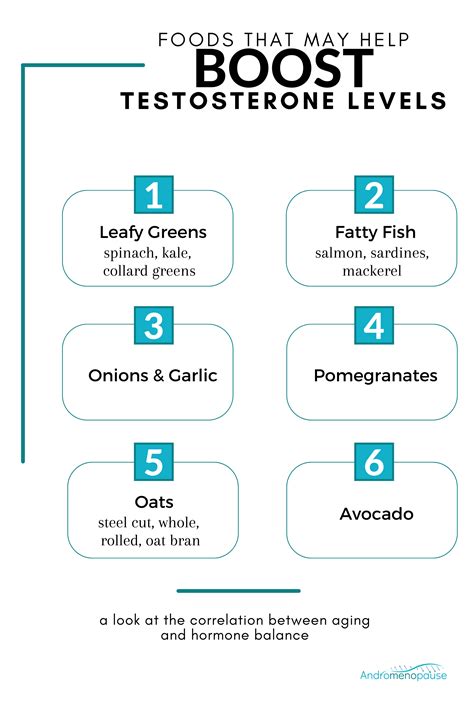
What you eat directly impacts your hormonal balance. Certain nutrients are essential for testosterone synthesis:
- Zinc: A critical mineral for testosterone production. Good sources include oysters, red meat, poultry, beans, nuts, and dairy.
- Vitamin D: Often called the “sunshine vitamin,” Vitamin D acts like a steroid hormone in the body and is strongly linked to testosterone levels. Spend time in the sun safely, and consider supplements or fortified foods like fatty fish (salmon, mackerel) and egg yolks.
- Healthy Fats: Don’t shy away from healthy fats! Monounsaturated and polyunsaturated fats (found in avocados, olive oil, nuts, seeds, and fatty fish) are crucial for hormone production.
- Protein: Adequate protein intake supports muscle growth and hormone regulation. Lean meats, fish, eggs, and legumes are excellent choices.
- Avoid Processed Foods and Excessive Sugar: These can contribute to inflammation and insulin resistance, negatively impacting testosterone.
Optimizing Your Exercise Routine
Physical activity is a powerful testosterone booster, but not all exercise is created equal:
- Strength Training: Lifting weights, especially compound movements like squats, deadlifts, bench presses, and rows, stimulates significant testosterone release. Aim for 3-4 sessions per week, focusing on heavy lifts with proper form.
- High-Intensity Interval Training (HIIT): Short bursts of intense exercise followed by brief recovery periods can also boost testosterone. Examples include sprints, cycling, or rowing.
- Avoid Chronic Cardio: While beneficial for cardiovascular health, excessive long-duration, moderate-intensity cardio can sometimes lower testosterone levels, especially if overtraining occurs. Balance is key.

Prioritize Quality Sleep
Sleep deprivation is a major enemy of testosterone. Most of your daily testosterone production occurs during sleep, particularly during REM cycles. Aim for 7-9 hours of high-quality sleep per night. Establish a consistent sleep schedule, create a dark and cool bedroom environment, and avoid screens before bedtime to optimize melatonin production.

Manage Stress Effectively
Chronic stress leads to elevated cortisol levels. Cortisol and testosterone have an inverse relationship: when cortisol goes up, testosterone often goes down. Incorporate stress-reduction techniques into your daily routine, such as meditation, yoga, deep breathing exercises, spending time in nature, or engaging in hobbies you enjoy.
Maintain a Healthy Body Weight
Obesity, particularly abdominal fat, is strongly linked to lower testosterone levels. Adipose tissue contains an enzyme called aromatase, which converts testosterone into estrogen. Losing excess body fat through a combination of diet and exercise can significantly improve testosterone levels.

Limit Alcohol and Environmental Toxins
Excessive alcohol consumption can negatively impact testosterone production. While moderate intake might be fine for some, heavy drinking is detrimental. Additionally, be mindful of endocrine-disrupting chemicals (EDCs) found in plastics, pesticides, and certain personal care products, as they can interfere with hormone function. Opt for natural alternatives where possible.
Conclusion
Boosting testosterone naturally is not about finding a magic pill; it’s about adopting a holistic lifestyle that supports overall health and hormonal balance. By making conscious choices regarding your diet, exercise routine, sleep habits, stress management, and environmental exposures, men can significantly enhance their natural testosterone production. This leads not only to increased energy and strength but also to improved mood, cognitive function, and a greater sense of vitality, empowering you to live life at your peak.