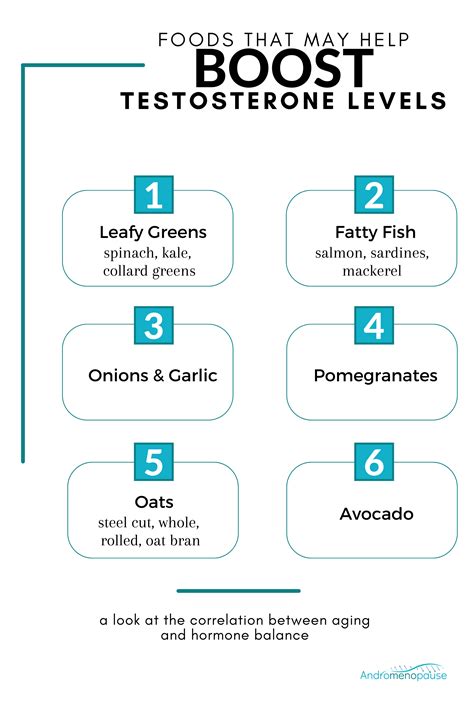





How can men naturally boost testosterone and energy for peak performance?

For men seeking to achieve their best, both physically and mentally, optimizing testosterone levels and maintaining high energy is paramount. Testosterone, the primary male sex hormone, plays a crucial role in muscle mass, bone density, libido, mood, and overall vitality. When coupled with robust energy levels, men can unlock their full potential, whether in the gym, at work, or in their personal lives. The good news is that significant improvements can often be achieved through sustainable, natural lifestyle modifications.
The Foundations of Male Vitality: Testosterone and Energy
Testosterone naturally declines with age, but modern lifestyle factors can accelerate this process or impair energy production regardless of age. Low testosterone can manifest as fatigue, reduced libido, difficulty building muscle, increased body fat, and mood disturbances. Similarly, chronic low energy can hinder productivity, enjoyment of life, and overall well-being. By focusing on fundamental pillars of health, men can create an environment where their bodies thrive and hormones are balanced naturally.
Optimize Your Diet for Hormonal Health
What you eat directly impacts your hormonal balance and energy production. A nutrient-dense diet is the cornerstone for boosting testosterone and sustaining energy.
Embrace Nutrient-Dense Foods
- Healthy Fats: Crucial for hormone production. Include sources like avocados, nuts, seeds, olive oil, and fatty fish (salmon, mackerel).
- Lean Protein: Essential for muscle repair and growth, which supports testosterone. Opt for chicken, turkey, eggs, lean beef, and plant-based proteins.
- Complex Carbohydrates: Provide sustained energy. Choose whole grains, fruits, and vegetables over refined carbs.
- Abundant Vegetables: Rich in vitamins, minerals, and antioxidants that support overall health and detoxification.
Essential Vitamins and Minerals
Key micronutrients have a direct impact on testosterone synthesis and energy pathways:
- Vitamin D: Often called the ‘sunshine vitamin,’ it’s a steroid hormone precursor. Get sunlight exposure and consider supplementation if deficient.
- Zinc: Vital for testosterone production and immune function. Found in oysters, red meat, pumpkin seeds, and legumes.
- Magnesium: Involved in over 300 enzymatic reactions, including energy production and testosterone regulation. Found in leafy greens, nuts, seeds, and whole grains.
Avoid Processed Foods and Sugars
Refined sugars and processed foods can lead to insulin resistance, inflammation, and energy crashes, all of which negatively impact testosterone and overall vitality.

Exercise Smart, Not Just Hard
Physical activity is a powerful lever for natural testosterone and energy boosts, but the type of exercise matters.
Prioritize Strength Training
Lifting heavy weights, particularly compound movements like squats, deadlifts, bench presses, and overhead presses, stimulates significant testosterone release. Aim for 3-4 sessions per week, focusing on progressive overload.
Incorporate High-Intensity Interval Training (HIIT)
Short bursts of intense exercise followed by brief recovery periods can also effectively boost testosterone and improve cardiovascular health without the negative cortisol response often associated with chronic, long-duration cardio.
Limit Chronic Cardio
While some cardio is beneficial, excessive long-duration endurance training can sometimes elevate cortisol (the stress hormone), which can suppress testosterone production. Balance is key.

Master Your Sleep for Recovery and Regeneration
Sleep is when your body repairs, rebuilds, and produces hormones. It’s non-negotiable for peak performance and hormonal health.
Aim for 7-9 Hours of Quality Sleep
Studies show a direct correlation between insufficient sleep and lower testosterone levels. Prioritize getting enough restful sleep each night.
Establish a Consistent Sleep Schedule
Go to bed and wake up around the same time daily, even on weekends, to regulate your circadian rhythm and optimize hormone production.
Optimize Your Sleep Environment
Ensure your bedroom is dark, cool, and quiet. Avoid screens (phones, tablets, TV) at least an hour before bed, as blue light can disrupt melatonin production.
Tame Stress, Boost Resilience
Chronic stress is a testosterone killer. When you’re stressed, your body produces more cortisol, which has an inverse relationship with testosterone.
Practice Mindfulness and Meditation
Even short daily sessions of meditation or deep breathing exercises can significantly lower cortisol levels and promote a sense of calm.
Engage in Hobbies and Relaxation
Allocate time for activities you enjoy, whether it’s reading, spending time in nature, or connecting with friends and family. These outlets help mitigate stress and improve mood.

Lifestyle Habits for Sustained Energy and Testosterone
Beyond the core pillars, several other lifestyle choices can make a significant difference.
- Stay Hydrated: Water is essential for every bodily function, including energy production and nutrient transport.
- Limit Alcohol Intake: Excessive alcohol consumption can negatively impact liver function and testosterone levels.
- Get Sunlight Exposure: Natural light exposure, especially in the morning, helps regulate your circadian rhythm and boosts Vitamin D production.
- Maintain a Healthy Weight: Excess body fat, particularly around the midsection, can increase estrogen and lower testosterone.

Conclusion
Boosting testosterone and energy naturally for peak performance isn’t about quick fixes; it’s about adopting a holistic approach to your health. By diligently optimizing your diet, engaging in smart exercise, prioritizing quality sleep, effectively managing stress, and maintaining healthy lifestyle habits, you can empower your body to produce hormones optimally and sustain vibrant energy. These changes require consistency and patience, but the long-term rewards of increased vitality, improved mood, and enhanced physical and mental performance are invaluable.