




How can men naturally boost low testosterone for better energy & performance?

Understanding Low Testosterone and Its Impact
Low testosterone (low T) is a common condition affecting millions of men, particularly as they provide. While often associated with reduced libido, its impact extends much further, influencing energy levels, mood, muscle mass, bone density, and even cognitive function. Symptoms can be subtle and wide-ranging, including chronic fatigue, difficulty concentrating, increased body fat, decreased strength, and persistent feelings of sadness or irritability. Recognizing these signs is the first step towards taking action.
Many men opt for pharmaceutical interventions, but a growing body of evidence supports the effectiveness of natural, lifestyle-based approaches to optimize testosterone production. These methods focus on supporting the body’s intrinsic ability to produce this vital hormone, often yielding broader health benefits beyond just T levels.

Nutrition: Fueling Your Hormones
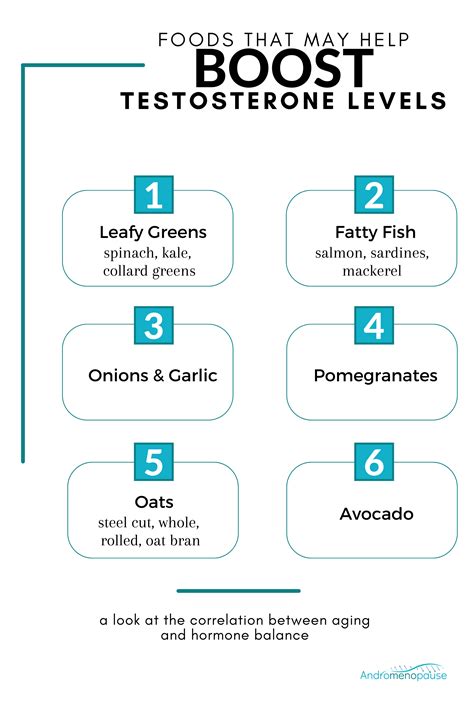
Your diet plays a foundational role in hormone synthesis. Adequate intake of macronutrients (healthy fats, proteins, and complex carbohydrates) is crucial. Healthy fats, particularly monounsaturated and polyunsaturated fats found in avocados, nuts, seeds, and olive oil, are essential building blocks for testosterone. Lean proteins support muscle growth and overall hormonal health, while complex carbohydrates provide sustained energy without drastic blood sugar spikes that can negatively impact hormone regulation.
Key Nutrients for Testosterone Production
- Vitamin D: Often called the “sunshine vitamin,” Vitamin D is more accurately a steroid hormone precursor. Studies show a direct correlation between sufficient Vitamin D levels and higher testosterone. Aim for safe sun exposure or consider supplementation.
- Zinc: This vital mineral is critical for many enzymatic processes in the body, including those involved in testosterone production. Deficiencies are common and can directly lead to lower T levels. Good sources include oysters, red meat, poultry, beans, and nuts.
- Magnesium: Involved in over 300 biochemical reactions, magnesium can increase both total and free testosterone levels, especially when combined with exercise. Leafy greens, nuts, seeds, and dark chocolate are excellent sources.

Exercise: Move Your Way to Higher T
Regular physical activity is a potent natural testosterone booster. However, not all exercise is created equal when it comes to hormonal optimization. High-intensity interval training (HIIT) and strength training, particularly exercises that engage large muscle groups like squats, deadlifts, and bench presses, have been shown to significantly elevate testosterone levels acutely and over time. Aim for 3-4 sessions per week, focusing on progressive overload.
Prioritize Quality Sleep
Sleep deprivation is a silent assassin for your hormone profile. Testosterone production primarily occurs during deep sleep cycles. Chronic lack of sleep (less than 7-8 hours per night) can drastically reduce T levels, sometimes by as much as 10-15% in just a few days. Establish a consistent sleep schedule, create a dark, cool, and quiet bedroom environment, and avoid screens before bed to optimize your sleep quality.

Manage Stress and Cortisol Levels
Chronic stress is a major disruptor of hormonal balance. When stressed, your body releases cortisol, a “stress hormone.” Elevated cortisol levels can directly suppress testosterone production. Implementing stress-reduction techniques such as mindfulness meditation, yoga, deep breathing exercises, spending time in nature, or engaging in hobbies can help lower cortisol and create a more favorable environment for testosterone synthesis.
Optimize Lifestyle Factors
Beyond diet, exercise, and sleep, other lifestyle choices impact your testosterone. Excessive alcohol consumption has been shown to impair Leydig cell function in the testes, leading to reduced testosterone. Furthermore, exposure to endocrine-disrupting chemicals (EDCs) found in plastics, pesticides, and personal care products can mimic or block hormones, negatively affecting testosterone. Choose organic foods, use glass containers, and opt for natural personal care products where possible.

Consider Targeted Supplements (Wisely)
While a whole-food diet and healthy lifestyle are paramount, certain supplements may offer additional support for some individuals. D-Aspartic Acid, Ashwagandha, Fenugreek, and adaptogens like Rhodiola Rosea have shown promise in some studies for supporting healthy testosterone levels. However, supplements are not a substitute for fundamental lifestyle changes and should always be discussed with a healthcare professional to ensure safety and appropriateness for your specific needs.

Conclusion: A Holistic Approach for Lasting Results
Naturally boosting low testosterone is not about a single magic pill but rather a consistent, multi-faceted approach to health and well-being. By optimizing your nutrition, committing to regular exercise, prioritizing quality sleep, effectively managing stress, and making conscious lifestyle choices, you can empower your body to produce testosterone more efficiently. This holistic strategy not only aims to elevate your T levels but also promises a significant improvement in your overall energy, vitality, and performance in all aspects of life. Always consult with a healthcare professional before making significant changes to your diet, exercise routine, or supplement regimen, especially if you suspect you have low testosterone.