




How can I optimize protein intake for peak muscle growth & recovery?

The Crucial Role of Protein in Muscle Development
Protein is the cornerstone of muscle growth and repair, serving as the primary building block for tissues, enzymes, and hormones essential for a robust physique. For individuals aiming to maximize muscle hypertrophy and accelerate recovery from intense training, simply consuming protein isn’t enough; strategic optimization is key. This guide will walk you through the essential principles of protein intake to unlock your body’s full potential.
Understanding Your Protein Needs
The first step in optimizing protein intake is determining your individual requirements. While general guidelines exist, your specific needs can vary based on activity level, body composition, age, and training goals.
For strength-training individuals, a widely accepted recommendation is to consume between 1.6 to 2.2 grams of protein per kilogram (0.7 to 1.0 grams per pound) of body weight daily. Athletes engaged in very high volumes of training or those in a calorie deficit may even benefit from slightly higher amounts to preserve lean muscle mass.
The Importance of Protein Quality
Not all proteins are created equal. Protein quality is determined by its amino acid profile and digestibility. Complete proteins contain all nine essential amino acids (EAAs) that your body cannot produce on its own, making them superior for muscle protein synthesis (MPS).
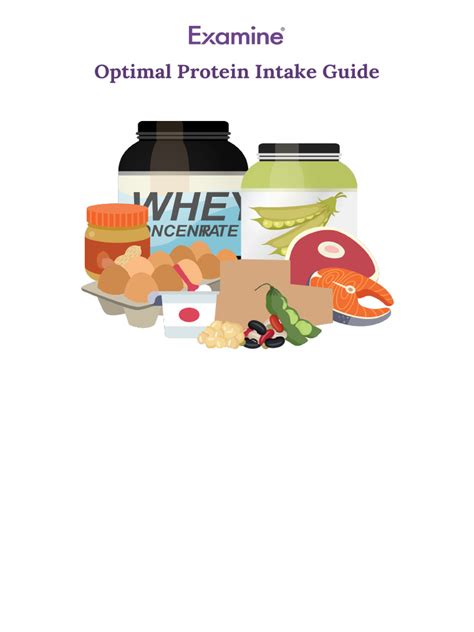
Excellent sources of complete protein include lean meats (chicken, beef, fish), eggs, dairy products (milk, yogurt, cottage cheese), and soy. While plant-based proteins can be highly beneficial, many are incomplete. Vegetarians and vegans should focus on combining various plant protein sources (e.g., rice and beans) throughout the day to ensure a complete amino acid profile.
Timing and Distribution for Maximum Impact
While the total daily protein intake is paramount, how you time and distribute that protein can significantly influence muscle growth and recovery.
Many studies suggest that spreading protein intake evenly throughout the day, rather than consuming it in one or two large servings, is more effective for sustaining elevated rates of MPS. Aim for 3-5 protein-rich meals or snacks, each containing 20-40 grams of protein, roughly every 3-4 hours.
Peri-workout nutrition (around your training) is also crucial. Consuming protein both before and after your workout can help prepare your muscles for exercise and kickstart the recovery process. A serving of casein protein before bed can also be beneficial, providing a slow-releasing stream of amino acids to support overnight muscle repair.
Whole Foods vs. Supplements
Prioritizing whole, unprocessed foods should always be the foundation of your protein intake strategy. These sources not only provide essential amino acids but also a spectrum of other vital nutrients, vitamins, and minerals that support overall health and performance.
Protein supplements, such as whey, casein, or plant-based powders, can be valuable tools for convenience, especially when time is limited or it’s challenging to meet protein targets through whole foods alone. They are not magic bullets but can effectively complement a well-planned diet.
Key Strategies for Optimization
- Calculate Your Target: Use the recommended 1.6-2.2g/kg body weight range as a starting point.
- Track Your Intake: Monitor your daily protein consumption for a few days to understand your current habits and identify areas for improvement.
- Prioritize Complete Proteins: Ensure a significant portion of your protein comes from high-quality, complete sources.
- Distribute Evenly: Spread your protein intake across multiple meals and snacks throughout the day.
- Consider Peri-Workout & Bedtime Protein: Strategically use protein around your workouts and before sleep to maximize anabolic windows.

Beyond Protein: A Holistic Approach
While protein is critical, remember that it’s just one piece of the puzzle. Optimal muscle growth and recovery also depend on adequate carbohydrate and healthy fat intake, sufficient calorie consumption, consistent resistance training, quality sleep, and proper hydration. A holistic approach that integrates all these elements will yield the best results.

By thoughtfully applying these strategies for optimizing protein intake, you can provide your body with the essential fuel it needs to build muscle efficiently, recover faster, and achieve your peak physical potential.