

Gear for peak performance: How to select essential tools, not clutter?
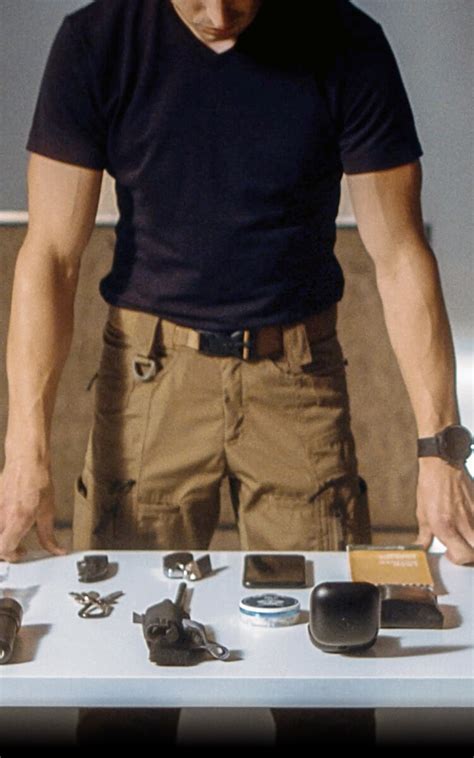
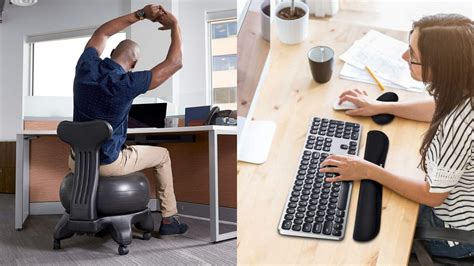
In today’s fast-paced world, whether you’re a professional athlete, a creative artist, a remote worker, or a dedicated hobbyist, the tools you use can significantly impact your output and overall experience. The allure of new gadgets and specialized equipment is strong, often leading to a collection of items that promises much but delivers little beyond increased clutter. The real challenge lies not in acquiring more, but in strategically selecting the essential tools that genuinely contribute to peak performance without overwhelming you.
The Paradox of Choice: More Isn’t Always Better
We live in an era of unprecedented product availability. For every task, there seems to be a dozen specialized tools, each promising to be the ultimate solution. This abundance, while seemingly beneficial, can lead to decision fatigue, wasted resources, and a distracting environment. True peak performance isn’t about having every possible tool; it’s about having the right tools, used effectively. A cluttered workspace or an overstuffed gear bag can be a mental drain, hindering focus and efficiency rather than enhancing it.

Defining “Essential”: A Personal Performance Audit
Before you even think about buying new gear or decluttering your current collection, conduct a personal performance audit. What are your core tasks? What specific challenges do you face regularly? What bottlenecks exist in your workflow? Identify the areas where a well-chosen tool could genuinely make a difference. Essential tools are those that directly enable, enhance, or streamline these core activities, helping you achieve your goals with greater ease and effectiveness.
- Purpose-Driven: Every piece of gear should serve a clear, defined purpose.
- Problem-Solving: Does it address a specific pain point or inefficiency?
- Performance-Boosting: Does it significantly improve quality, speed, or comfort?
Principles of Smart Gear Selection
1. Prioritize Functionality Over Features
Often, tools are loaded with an array of features, many of which you may never use. Focus on the core functionality that you genuinely need. A simpler, well-designed tool that excels at its primary function is often more valuable than a complex, feature-rich alternative that’s cumbersome to operate.
2. Invest in Quality, Not Quantity
While budget is always a consideration, opting for the cheapest option often leads to repeated purchases and frustration. A high-quality tool, though a larger initial investment, typically offers superior durability, reliability, and performance, saving you money and hassle in the long run. Think of it as investing in your capability.

3. Embrace Versatility and Multi-Functionality
Where possible, seek out tools that can serve multiple purposes effectively. A single versatile item can often replace several specialized ones, reducing your overall gear footprint. However, be cautious: a tool that tries to do everything often does nothing exceptionally well. Strike a balance between versatility and specialized effectiveness for your core needs.
The Art of Decluttering Your Existing Gear
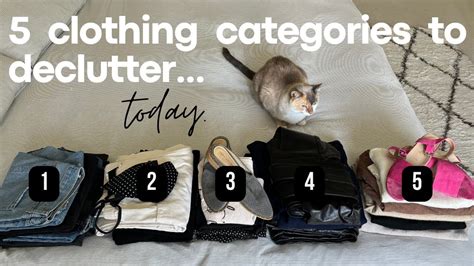
If your current collection feels overwhelming, it’s time to declutter. Adopt a critical eye and ask tough questions for each item:
- When was the last time I used this? (If it’s been over a year, consider letting it go).
- Does this truly enhance my performance, or is it a “nice-to-have” that rarely gets used?
- Can one of my existing, more versatile tools perform this function just as well?
- Is it broken or outdated, and is the cost/effort to repair or update worth it?
Don’t be afraid to let go of items that no longer serve a purpose. Donating, selling, or repurposing old gear can free up physical space and mental energy, allowing you to focus on what truly matters.
Strategic Acquisition: Before You Buy
When considering a new purchase, implement a thoughtful decision-making process:
- Identify the Need: Clearly define the problem or task the tool will address.
- Research Thoroughly: Read reviews, compare specifications, and watch demonstrations.
- Try Before You Buy (If Possible): Borrow, rent, or test a demo unit to see if it truly fits your workflow.
- Consider the Total Cost of Ownership: Factor in maintenance, accessories, and potential upgrades.
- One-In, One-Out Rule: For non-essential items, consider if a new acquisition means an older, less effective item should be retired.
The Benefits of a Curated Collection
By thoughtfully selecting essential tools and eliminating clutter, you create an environment optimized for peak performance. This approach leads to:
- Increased Focus: Less visual and mental distraction.
- Improved Efficiency: The right tool for the job, readily available.
- Enhanced Productivity: Streamlined workflows and fewer roadblocks.
- Cost Savings: Avoiding unnecessary purchases and investing wisely.
- Greater Satisfaction: A sense of control and purpose with your equipment.
Ultimately, selecting essential tools isn’t about deprivation; it’s about empowerment. It’s about consciously choosing what serves your goals best, allowing you to perform at your peak and achieve more with less friction.