




Fueling performance: How many grams of protein for peak male muscle & recovery?
The Cornerstone Nutrient for Male Physique and Performance
For men striving to build a strong physique, enhance athletic performance, and accelerate recovery, protein stands as the undisputed champion of macronutrients. It’s the fundamental building block of muscle tissue, enzymes, hormones, and virtually every cell in the body. But simply consuming protein isn’t enough; understanding the optimal intake — how many grams are truly needed — is paramount to unlocking peak results.
While general dietary guidelines exist, the specific protein requirements for active males can vary significantly based on their training intensity, body composition goals, and overall lifestyle. This guide delves into the science-backed recommendations to help you fuel your performance and achieve your muscle-building and recovery aspirations.
General Protein Recommendations for Active Men
The most widely accepted guidelines for active men aiming for muscle hypertrophy (growth) and optimal recovery often fall within a specific range. Rather than a flat number, protein intake is typically recommended based on body weight.
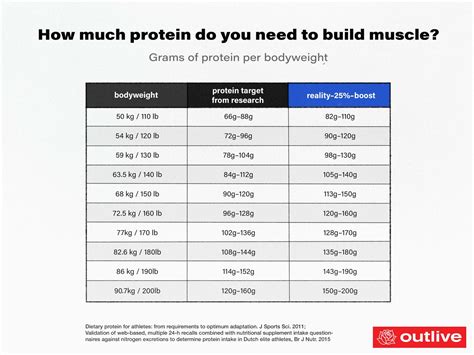
- Strength Training/Muscle Gain: For men actively engaged in resistance training, a common recommendation is 1.6 to 2.2 grams of protein per kilogram of body weight per day (or approximately 0.7 to 1.0 grams per pound of body weight). This range provides ample amino acids to repair muscle damage incurred during training and synthesize new muscle protein.
- Weight Management/Fat Loss: When in a caloric deficit, protein requirements might even be slightly higher (e.g., 2.0 to 2.4 g/kg or 0.9 to 1.1 g/lb) to help preserve lean muscle mass while losing fat. Protein is highly satiating and has a higher thermic effect than carbs or fats, aiding in appetite control and metabolism.
For a 180-pound (approximately 82 kg) man, this could translate to roughly 126 to 180 grams of protein daily for muscle gain, and potentially up to 200 grams or more when focused on fat loss while maintaining muscle.
Factors Influencing Your Individual Protein Needs
While the general recommendations provide a solid starting point, several individual factors can fine-tune your optimal protein intake:
- Training Intensity and Volume: The harder and more frequently you train, the greater your muscles’ need for repair and rebuilding, thus increasing protein demands.
- Body Composition Goals: Are you trying to aggressively build muscle, maintain muscle during a cut, or simply support general fitness? Each goal may slightly shift your ideal protein target.
- Age: Older individuals (over 50) may benefit from slightly higher protein intakes (often referred to as ‘anabolic resistance’) to maintain muscle mass and strength.
- Overall Caloric Intake: If your total caloric intake is very low, more protein might be needed to prevent muscle breakdown for energy.
- Source and Quality of Protein: Not all proteins are created equal. Consuming high-quality, complete proteins (containing all essential amino acids) from sources like meat, poultry, fish, eggs, dairy, and a varied plant-based diet ensures your body has the necessary building blocks.
Strategic Protein Timing and Distribution
Beyond the total daily amount, how you distribute your protein intake throughout the day can also impact its effectiveness. Research suggests that spreading protein consumption evenly across 3-5 meals or snacks, aiming for 20-40 grams per serving, can optimize muscle protein synthesis (MPS) — the process by which muscle is built.
Consuming protein before and after workouts is particularly beneficial. A pre-workout protein snack can provide amino acids to minimize muscle breakdown during exercise, while a post-workout dose (within 1-2 hours) is crucial for initiating muscle repair and growth during the “anabolic window.” Don’t forget a substantial protein intake at breakfast and before bed (e.g., casein protein) to support overnight recovery.

Quality Matters: Choosing Your Protein Sources
To meet your daily protein targets efficiently, focus on a variety of high-quality sources:
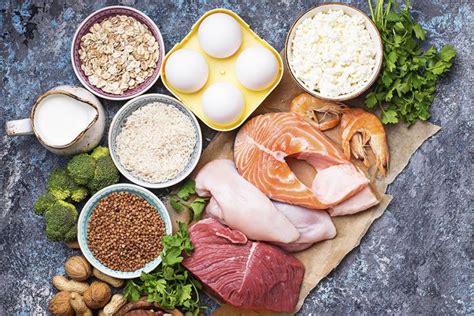
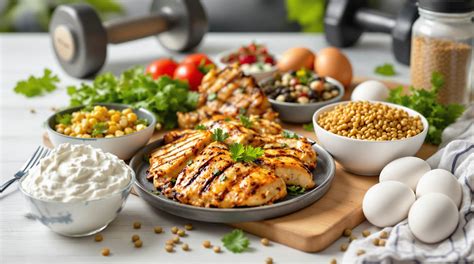
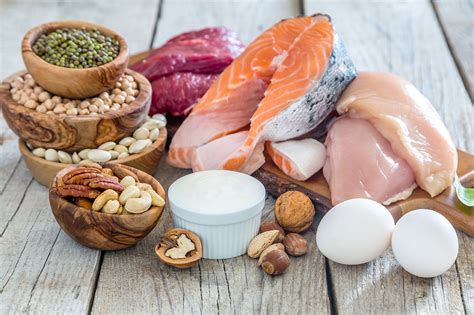
- Animal Sources: Lean meats (chicken breast, turkey, lean beef), fish (salmon, tuna, cod), eggs, and dairy products (Greek yogurt, cottage cheese, whey protein) are excellent, complete protein sources.
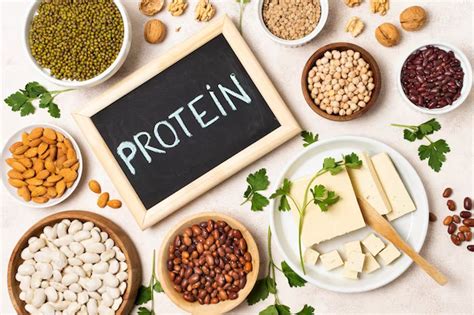
- Plant-Based Sources: Legumes (lentils, beans), tofu, tempeh, quinoa, nuts, seeds, and plant-based protein powders (pea, rice, soy) can effectively contribute, especially when combined to ensure a complete amino acid profile.
Supplements like whey protein, casein, or plant-based protein powders can be convenient tools to help hit your daily targets, especially around workouts or when whole food options are limited. However, they should complement, not replace, a diet rich in whole food protein sources.
Conclusion: Tailoring Your Protein Strategy
There’s no one-size-fits-all answer for optimal protein intake, but for most active men, aiming for 1.6 to 2.2 grams per kilogram of body weight per day (0.7-1.0 g/lb) serves as an excellent foundation for muscle growth and recovery. Factors like training intensity, age, and specific goals will help you fine-tune this number.
Prioritize high-quality protein sources, distribute your intake strategically throughout the day, and consider supplements as needed. By consciously fueling your body with adequate protein, you’ll provide the essential building blocks for peak performance, robust muscle development, and efficient recovery, ultimately helping you achieve your fitness aspirations.