




Fueling peak performance: Best pre-workout nutrition for sustained energy & focus?

The Science of Pre-Workout Fueling
Achieving peak performance in any workout isn’t just about showing up; it’s about showing up fueled. What you consume before hitting the gym, track, or mat can significantly impact your energy levels, mental focus, and overall output. Strategic pre-workout nutrition provides your body with the necessary resources to perform at its best, prevent fatigue, and support muscle recovery. This article dives into the science-backed strategies for pre-workout nutrition, ensuring you have the sustained power and concentration needed to crush your fitness goals.

Carbohydrates: Your Primary Energy Source
Carbohydrates are the bedrock of pre-workout nutrition, serving as your body’s most accessible and efficient fuel source, especially for high-intensity activities. When digested, carbs are broken down into glucose, which is stored as glycogen in your muscles and liver. Adequate glycogen stores are crucial for preventing early fatigue and maintaining stamina throughout your session.
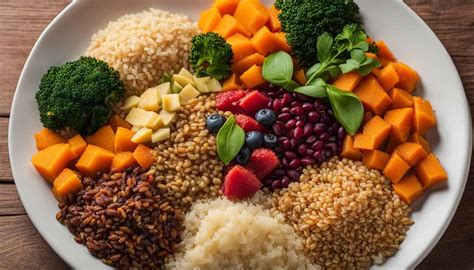
- Complex Carbohydrates: These are your go-to for sustained energy. Foods like oats, whole-wheat toast, sweet potatoes, brown rice, and quinoa release glucose slowly into the bloodstream, providing a steady fuel supply without sharp energy spikes and crashes. Consume these 2-3 hours before your workout.
- Simple Carbohydrates: Found in fruits (like bananas, berries), these provide a quicker burst of energy. They can be beneficial closer to your workout (30-60 minutes) if you need an immediate boost, but should be balanced to avoid a sugar crash.

Protein: Muscle Protection and Repair
While carbohydrates are for energy, protein plays a vital role in protecting your muscles during exercise. Consuming protein before a workout can help minimize muscle breakdown (catabolism) and kickstart the recovery process even before it’s over. It also contributes to satiety and can slightly slow the digestion of carbohydrates, promoting more stable blood sugar levels.
- Lean Proteins: Opt for easily digestible sources such as whey protein, Greek yogurt, egg whites, lean chicken breast, or turkey.
- A moderate amount of protein (15-25 grams, depending on body weight and workout intensity) combined with carbohydrates is ideal.
Healthy Fats: Sustained, Slow-Burning Fuel
Healthy fats provide a concentrated source of energy and can be beneficial for longer, lower-intensity endurance activities. However, because fats slow down digestion, it’s generally best to keep their intake low immediately before high-intensity workouts to avoid digestive discomfort. If your pre-workout meal is 2-3 hours out, a small amount of healthy fats can be included.
- Good Sources: Small amounts of avocado, a few nuts, or a tablespoon of nut butter.
Hydration and Micronutrients
Often overlooked, hydration is a critical component of peak performance. Even mild dehydration can significantly impair endurance, strength, and mental focus. Aim to be well-hydrated throughout the day and consume 16-20 ounces of water 2-3 hours before your workout, followed by 8-10 ounces 30 minutes prior.
- Electrolytes: For long or intense sessions (over 60 minutes), an electrolyte-rich beverage can help replenish lost salts and maintain fluid balance.
- Micronutrients: A balanced diet typically provides sufficient vitamins and minerals that support energy production and overall bodily functions.
Timing is Everything: When to Eat
The timing of your pre-workout meal is as crucial as what you eat. It allows for proper digestion and nutrient absorption, maximizing their benefits.
- 2-3 Hours Before Workout: This is the ideal window for a complete meal. Focus on complex carbohydrates, a moderate amount of lean protein, and a small amount of healthy fats. Example: Oatmeal with berries and protein powder, or chicken breast with a sweet potato.
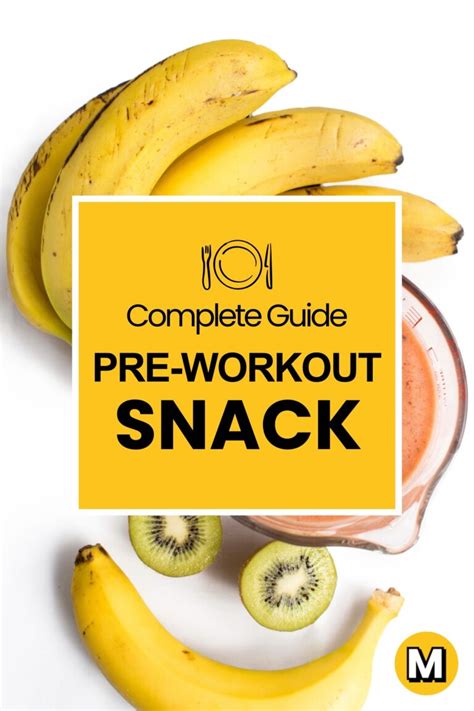
- 30-60 Minutes Before Workout: If you’re pressed for time or need a quick top-up, opt for a smaller, easily digestible snack. Focus primarily on simple carbohydrates and a little protein. Example: A banana, rice cakes with a thin layer of nut butter, or a small protein shake.

Practical Pre-Workout Meal Ideas
Here are some effective and easily digestible options:
- Oatmeal with Berries and Protein: Cooked oats provide complex carbs, berries offer simple sugars and antioxidants, and a scoop of protein powder adds essential amino acids.
- Whole-Wheat Toast with Avocado and Egg: A light layer of avocado for healthy fats, whole-wheat toast for complex carbs, and an egg for lean protein.
- Greek Yogurt with Fruit and Granola: Protein-rich yogurt, quick-energy fruit, and a sprinkle of granola for sustained carbs.
- Banana and a Small Handful of Almonds: A classic quick-energy combo with a touch of healthy fats.
- Protein Shake with a Banana: Fast-digesting protein and quick carbs.
What to Avoid Before a Workout
Just as important as what to eat is what to avoid, especially close to your training session:
- High-Fiber Foods: While generally healthy, high-fiber foods (e.g., large servings of beans, broccoli) too close to a workout can cause digestive upset, bloating, and discomfort.
- Excessive Fats: Large amounts of fatty foods can slow digestion significantly, leading to sluggishness and potential stomach issues during exercise.
- Sugary Drinks and Processed Snacks: These often lead to a rapid spike in blood sugar followed by an equally rapid crash, leaving you feeling tired and weak.
- Large, Heavy Meals: Eating a big meal too close to your workout can divert blood flow to your digestive system instead of your muscles, impairing performance and causing discomfort.
Conclusion: Find Your Perfect Fuel
Optimizing your pre-workout nutrition is a personalized journey. What works best for one individual may not work for another, as digestion rates and individual tolerances vary. Experiment with different foods, timings, and macronutrient ratios to discover what makes you feel energized, focused, and ready to conquer your workout. By strategically fueling your body, you’re not just enhancing performance; you’re also supporting faster recovery and long-term fitness gains.