




Fueling for peak performance: What pre-workout nutrition maximizes strength and focus?

The Foundation of Peak Performance: Why Pre-Workout Nutrition Matters
To consistently perform at your best, whether lifting heavy, running long, or mastering complex movements, your body needs the right fuel. Pre-workout nutrition isn’t just about staving off hunger; it’s a strategic component of your training regimen that directly impacts your energy levels, endurance, strength, and mental focus. A well-planned pre-workout meal provides the necessary energy substrate, protects muscles from breakdown, and primes your central nervous system for optimal output.
Ignoring this crucial window can lead to compromised performance, premature fatigue, and a diminished ability to maintain intensity and concentration. Understanding what to eat and when is key to unlocking your full potential in every session.

Carbohydrates: Your Primary Energy Source
Carbohydrates are the body’s preferred and most efficient source of energy, especially during high-intensity exercise. They are broken down into glucose, which is stored as glycogen in your muscles and liver. Adequate glycogen stores are essential for sustained energy throughout your workout, preventing fatigue and allowing you to maintain strength and power.
- Complex Carbohydrates (2-3 hours pre-workout): Opt for sources like whole-grain bread, oats, brown rice, sweet potatoes, or quinoa. These provide a slow and steady release of glucose into the bloodstream, ensuring a stable energy supply throughout your session.
- Simple Carbohydrates (30-60 minutes pre-workout, optional): If you’re pressed for time or need a quick energy boost, a small serving of fruit (like a banana) or a rice cake can provide readily available glucose without causing digestive distress.
Protein: Muscle Protection and Repair
While carbohydrates fuel your workout, protein plays a critical role in muscle protection and recovery. Consuming protein before exercise helps to minimize muscle protein breakdown during strenuous activity and kickstarts the recovery and repair process even before your workout concludes.
Aim for a moderate amount of lean protein alongside your carbohydrates. Good sources include chicken breast, turkey, lean beef, fish, eggs, Greek yogurt, or a protein shake. The amino acids from protein ensure your muscles have the building blocks they need, supporting both strength and long-term gains.

Fats: Sustained Energy (in moderation)
Fats are a denser energy source but are slower to digest. While essential for overall health, large amounts of fat immediately before a workout can lead to digestive discomfort and slow down the absorption of other critical nutrients. Small amounts of healthy fats, however, can contribute to sustained energy, especially for longer, lower-intensity activities.
If you’re incorporating fats, do so sparingly and focus on healthy options like a small handful of nuts, avocado, or a drizzle of olive oil, ideally 2-3 hours before your workout.
Timing is Everything: When to Fuel Up
The timing of your pre-workout meal is almost as important as its content. Eating too close to your workout can cause digestive issues, while eating too far in advance can leave you feeling depleted.
- 2-3 Hours Before: A full meal combining complex carbohydrates, lean protein, and a small amount of healthy fats. This allows ample time for digestion and nutrient absorption.
- 30-60 Minutes Before: A smaller, easily digestible snack, primarily consisting of simple carbohydrates and optionally a small amount of protein. Think fruit, rice cakes, or a small energy bar.
- Within 30 Minutes: If you must eat very close to your workout, opt for something extremely light and easily absorbed, like a few sips of a sports drink or a small piece of fruit.

Hydration and Key Performance Enhancers
Beyond food, adequate hydration is fundamental. Even mild dehydration can significantly impair performance, focus, and energy levels. Drink plenty of water throughout the day and aim for 16-20 ounces of water 2-3 hours before your workout, and another 8-10 ounces 30 minutes prior.
Certain supplements can also enhance performance, strength, and focus when taken pre-workout:
- Caffeine: Known to improve focus, reduce perceived exertion, and enhance endurance. Taken 30-60 minutes before.
- Creatine: Helps increase strength, power, and muscle mass by aiding ATP (energy) production. Best taken consistently, not just pre-workout.
- Beta-Alanine: Can help buffer lactic acid, reducing fatigue during high-intensity exercise.
Putting It Into Practice: Sample Pre-Workout Meals
Here are a few practical examples:
- 2-3 Hours Before: Oatmeal with berries and a scoop of protein powder; a chicken and veggie stir-fry with brown rice; scrambled eggs on whole-wheat toast with avocado.
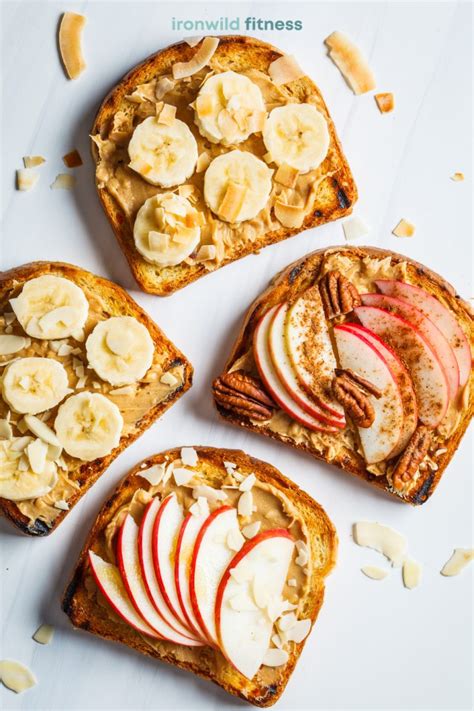
- 30-60 Minutes Before: A banana with a tablespoon of peanut butter; Greek yogurt with a small amount of granola; an apple with a handful of almonds.
Conclusion: Fuel Smart, Train Hard
Optimal pre-workout nutrition is a cornerstone of peak athletic performance. By strategically fueling your body with the right balance of carbohydrates, protein, and fats, and paying close attention to timing and hydration, you can significantly enhance your strength, maintain unwavering focus, and push through plateaus. Experiment with different foods and timings to discover what works best for your body and specific training goals. Remember, your workout starts long before you step into the gym—it begins with what you put on your plate.