




Fuel peak male performance: optimal macros for energy, muscle & mental clarity?

Unlocking Peak Male Performance Through Strategic Nutrition
For men striving for peak performance – whether in the gym, at work, or in everyday life – nutrition is the foundational pillar. Beyond just eating ‘healthy,’ understanding and optimizing your macronutrient intake (proteins, carbohydrates, and fats) is crucial. These aren’t just calories; they are the building blocks and fuel sources that directly impact energy levels, muscle growth, hormonal balance, and cognitive function. Tailoring your macros is about creating a personalized fuel strategy for sustained vitality and superior output.

The Power of Protein: Building Blocks for Strength and Recovery
Protein is non-negotiable for men seeking to build or maintain muscle mass, enhance recovery, and feel satiated. Composed of amino acids, protein repairs tissue, supports enzyme and hormone production, and is essential for a robust immune system. For active men, a higher protein intake is often beneficial. Aim for sources like lean meats, poultry, fish, eggs, dairy, and plant-based options such as legumes and tofu.
- Target Range: Generally 1.6-2.2 grams per kilogram of body weight (or 0.7-1.0 grams per pound), depending on activity level and goals.
- Benefits: Muscle protein synthesis, increased satiety, thermogenic effect, improved recovery.

Carbohydrates: The Primary Fuel for Energy and Brain Function
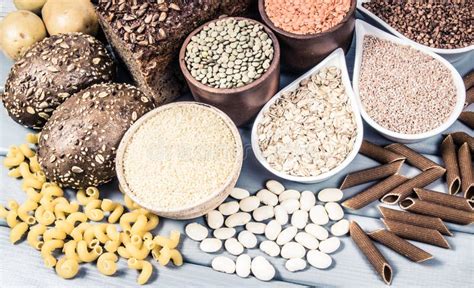
Often misunderstood, carbohydrates are vital for high-level performance. They are the body’s preferred energy source, fueling workouts, maintaining glycogen stores, and supporting optimal brain function. Restricting carbs too severely can lead to low energy, impaired focus, and reduced athletic performance. Focus on complex carbohydrates for sustained energy release.
- Target Range: Highly variable, often 3-5 grams per kilogram of body weight, increasing for very active individuals.
- Benefits: Sustained energy, glycogen replenishment, mental clarity, performance support.
- Optimal Sources: Whole grains (oats, brown rice, quinoa), sweet potatoes, fruits, vegetables.
Fats: Essential for Hormones, Brain Health, and Nutrient Absorption
Dietary fats are crucial for men’s health, impacting everything from hormone production (including testosterone) to brain health and the absorption of fat-soluble vitamins (A, D, E, K). Don’t fear healthy fats; they are vital for cell function and provide concentrated energy. Focus on unsaturated fats while limiting saturated and avoiding trans fats.
- Target Range: Typically 0.8-1.2 grams per kilogram of body weight, or 20-30% of total daily calories.
- Benefits: Hormone synthesis, brain health, anti-inflammatory properties, satiety.
- Optimal Sources: Avocados, nuts, seeds, olive oil, fatty fish (salmon, mackerel).

Crafting Your Optimal Macro Ratio for Holistic Performance
While general guidelines exist, the ‘optimal’ macro ratio is deeply personal, depending on your age, activity level, body composition goals (e.g., muscle gain, fat loss, maintenance), and individual metabolism. A common starting point for active men might be a ratio like 30% protein, 40% carbohydrates, and 30% fats, but this can shift. Experimentation and tracking your intake, alongside monitoring how you feel and perform, are key to finding your sweet spot.
For example:
- For muscle gain: Higher protein and carbohydrates to fuel growth and recovery.
- For fat loss: Adequate protein to preserve muscle, moderate carbohydrates, and controlled fats for a calorie deficit.
- For endurance: Higher carbohydrates to sustain prolonged activity.

Beyond the Numbers: Quality, Timing, and Hydration
While macro ratios provide a framework, the quality of your food sources is paramount. Choose whole, unprocessed foods over highly refined options. Nutrient timing, such as consuming protein and carbohydrates around workouts, can also optimize recovery and performance. Furthermore, don’t overlook micronutrients (vitamins and minerals) and adequate hydration – they act as cofactors for countless bodily processes essential for peak function.
Conclusion: A Personalized Approach to Lasting Vitality
Fueling peak male performance isn’t about following a rigid diet; it’s about understanding how proteins, carbohydrates, and fats specifically interact to support your energy, muscle development, and mental acuity. By intentionally adjusting your macronutrient intake, focusing on nutrient-dense sources, and listening to your body, you can create a powerful nutritional strategy that optimizes your physical and cognitive potential, leading to a more energetic, focused, and resilient you.