




Fuel for greatness: What diet optimizes men’s energy, muscle, and recovery?

Unlocking Peak Performance: The Foundation of Men’s Diet
For men striving for peak physical and mental performance, diet isn’t just about sustenance; it’s the critical fuel that powers energy, builds robust muscle, and accelerates recovery. An optimized eating plan can mean the difference between feeling sluggish and underperforming, and achieving your full potential in every aspect of life. This guide delves into the nutritional pillars essential for men seeking greatness.
To truly optimize your physical capabilities, a strategic approach to food is paramount. It involves understanding not just what to eat, but when and why, balancing key components to support your body’s complex demands.

The Macronutrient Blueprint: Protein, Carbs, and Fats
Macronutrients are the cornerstones of your diet, providing the bulk of your energy and building blocks. Getting the right balance is crucial for men’s health:
- Protein: The Muscle Builder
Essential for muscle repair, growth, and synthesis, protein is non-negotiable for men. Aim for high-quality sources like lean meats (chicken, turkey, beef), fish (salmon, cod), eggs, dairy (Greek yogurt, cottage cheese), and plant-based options (lentils, beans, tofu, quinoa). A general guideline is 1.6-2.2 grams of protein per kilogram of body weight, especially for active men. - Carbohydrates: The Energy Driver
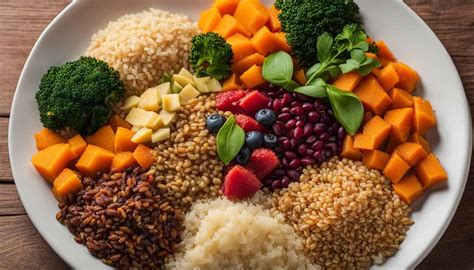
Often misunderstood, carbohydrates are your body’s primary fuel source, vital for sustained energy during workouts and replenishing glycogen stores for recovery. Focus on complex carbohydrates such as whole grains (oats, brown rice, quinoa), sweet potatoes, fruits, and vegetables. These provide sustained energy and fiber, avoiding energy crashes. - Healthy Fats: Hormonal Balance and Recovery
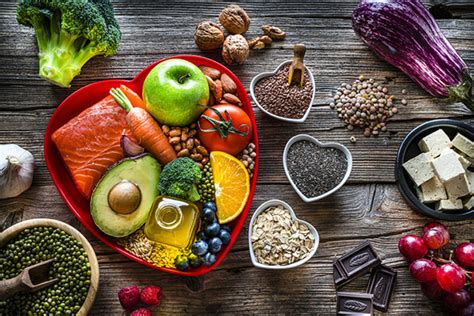
Fats are critical for hormone production (including testosterone), nutrient absorption, and reducing inflammation. Incorporate healthy fats from avocados, nuts (almonds, walnuts), seeds (chia, flax), olive oil, and fatty fish. These provide essential fatty acids that support overall health and recovery processes.
Micronutrients and Hydration: The Unsung Heroes
While macronutrients provide the volume, micronutrients (vitamins and minerals) are the catalysts for countless bodily functions, impacting everything from energy production to immune health. Crucial micronutrients for men include:
- Zinc: Important for testosterone production and immune function. Found in oysters, red meat, and beans.
- Magnesium: Supports muscle function, energy production, and sleep. Abundant in leafy greens, nuts, seeds, and whole grains.
- Vitamin D: Essential for bone health, immune function, and mood. Obtainable from sun exposure, fatty fish, and fortified foods.
- B Vitamins: Play a key role in energy metabolism. Found in whole grains, meat, eggs, and dairy.
Hydration is equally vital. Water is involved in every metabolic process, nutrient transport, and temperature regulation. Aim for at least 3-4 liters of water daily, increasing with activity levels.
Timing Your Nutrition for Optimal Performance and Recovery
When you eat can be as important as what you eat. Strategic meal timing can significantly impact energy levels, muscle protein synthesis, and recovery:
- Pre-Workout: Fuel up 1-3 hours before exercise with a meal rich in complex carbohydrates and some protein to provide sustained energy.
- Post-Workout: Within 30-60 minutes after training, consume a meal or shake with a good ratio of protein and carbohydrates (e.g., 20-30g protein, 40-60g carbs) to kickstart muscle repair and glycogen replenishment.
- Regular Meals: Distribute your macronutrient intake across 3-5 balanced meals throughout the day to maintain steady energy levels and support continuous muscle synthesis.

Foods for Enhanced Energy, Muscle, and Recovery
Here are some powerhouse foods to integrate into your daily diet:
- For Energy: Oats, brown rice, sweet potatoes, bananas, berries.
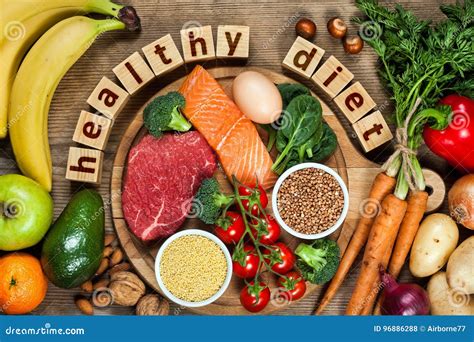
- For Muscle: Chicken breast, salmon, lean beef, Greek yogurt, eggs, lentils, whey protein.
- For Recovery: Tart cherries (anti-inflammatory), leafy greens (antioxidants), fatty fish (omega-3s), nuts and seeds (healthy fats, magnesium).
Focus on whole, unprocessed foods, and minimize intake of refined sugars, trans fats, and excessive processed foods, which can hinder performance and recovery.
Beyond the Plate: Lifestyle Factors
While diet is foundational, it’s part of a larger ecosystem:
- Sleep: Adequate sleep (7-9 hours) is crucial for hormonal balance, muscle repair, and overall recovery.
- Stress Management: Chronic stress can negatively impact digestion, hormone levels, and energy.
- Consistency: Adhering to a healthy diet consistently yields far greater results than sporadic efforts.
Remember, individual needs vary based on age, activity level, body composition, and specific goals. Consulting with a registered dietitian or nutritionist can provide personalized guidance tailored to your unique requirements.

Conclusion: Fueling Your Journey to Greatness
Optimizing your diet for energy, muscle, and recovery is a holistic endeavor. By focusing on a balanced intake of high-quality macronutrients, ensuring sufficient micronutrients and hydration, and strategic meal timing, men can significantly enhance their physical capabilities and overall well-being. Embrace whole, nutrient-dense foods, listen to your body, and pair your nutritional efforts with adequate rest and smart training for a sustained journey towards greatness.