




Foods that naturally boost testosterone and optimize male vitality?
Understanding Testosterone and Male Vitality
Testosterone, the primary male sex hormone, plays a pivotal role in more than just libido. It influences muscle mass, bone density, fat distribution, red blood cell production, and even mood and energy levels. As men age, testosterone levels naturally decline, which can lead to various symptoms like decreased energy, reduced muscle mass, increased body fat, and lower sex drive. While medical interventions exist, many men are seeking natural ways to support their hormone health through diet.

Key Nutrients for Testosterone Production
Optimizing testosterone levels starts with ensuring your body has the raw materials it needs. Several vitamins and minerals are critical:
- Vitamin D: Often called the “sunshine vitamin,” Vitamin D is actually a hormone precursor that plays a direct role in testosterone production.
- Zinc: This essential mineral is crucial for many enzymatic reactions in the body, including those involved in hormone synthesis. Zinc deficiency is commonly linked to low testosterone.
- Magnesium: Magnesium helps reduce oxidative stress and inflammation, both of which can negatively impact testosterone levels. It also helps improve sleep quality, which is vital for hormone regulation.
- Healthy Fats: Cholesterol, a type of fat, is the precursor for all steroid hormones, including testosterone. Consuming healthy fats is essential for its synthesis.
Foods to Incorporate for Natural Testosterone Boost
Here are some powerful foods you should consider adding to your diet:
1. Fatty Fish (Salmon, Tuna, Mackerel)
Rich in Vitamin D and Omega-3 fatty acids, fatty fish are excellent for hormonal health. Omega-3s reduce inflammation, while Vitamin D is a known testosterone booster. Aim for at least two servings per week.

2. Oysters
Oysters are perhaps the most potent dietary source of zinc. Just a few oysters can provide several times the daily recommended intake, making them a top choice for men looking to boost testosterone.
3. Leafy Green Vegetables (Spinach, Kale, Collard Greens)
These greens are packed with magnesium, which helps maintain free testosterone levels. They also contain compounds that can help reduce estrogen dominance, further supporting a healthy hormonal balance.

4. Eggs
Often demonized in the past, whole eggs are a nutritional powerhouse. The yolks contain Vitamin D, healthy fats, and cholesterol—all precursors to testosterone. They also provide high-quality protein for muscle building.
5. Avocados and Olive Oil
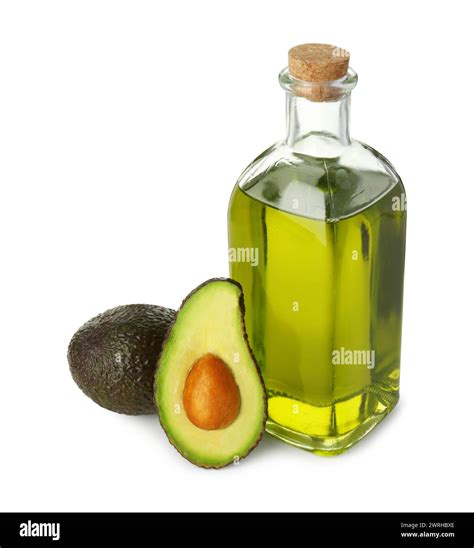
Excellent sources of monounsaturated fats, avocados and olive oil contribute to healthy cholesterol levels, which are essential for testosterone production. These healthy fats also support overall cardiovascular health.
6. Ginger and Garlic
While not direct testosterone boosters in the same way as zinc or Vitamin D, both ginger and garlic have been shown in some studies to improve testosterone production and testicular health through their antioxidant and anti-inflammatory properties.
7. Berries and Pomegranates
These fruits are loaded with antioxidants that combat oxidative stress, which can otherwise suppress testosterone. Pomegranates, in particular, have been linked to improved blood flow and reduced stress, indirectly benefiting hormone health.
Beyond Diet: A Holistic Approach to Male Vitality
While nutrition is foundational, optimizing male vitality requires a holistic approach:
- Regular Exercise: Especially strength training and high-intensity interval training (HIIT), significantly boosts testosterone.
- Adequate Sleep: Poor sleep quality can drastically reduce testosterone levels. Aim for 7-9 hours of quality sleep per night.
- Stress Management: Chronic stress elevates cortisol, a hormone that can suppress testosterone. Practice mindfulness, meditation, or other stress-reducing activities.
- Limit Alcohol and Processed Foods: These can negatively impact liver function and hormone balance.

Conclusion
Boosting testosterone and optimizing male vitality naturally is achievable by making conscious dietary choices and adopting a healthy lifestyle. By prioritizing foods rich in Vitamin D, zinc, magnesium, and healthy fats, alongside regular exercise, sufficient sleep, and stress management, men can significantly improve their hormonal health and overall well-being. Always consult with a healthcare professional before making significant dietary or lifestyle changes, especially if you have underlying health conditions.