


Essential gym gear for peak strength & injury prevention?

Elevate Your Workout: Why Gear Matters for Strength & Safety
Stepping into the gym ready to conquer your personal bests requires more than just willpower and a well-planned routine. The right gym gear can be the crucial differentiator between a plateau and progress, and more importantly, between a safe lift and a potential injury. Investing in essential equipment isn’t just about looking the part; it’s about optimizing performance, providing critical support, and ensuring longevity in your fitness journey.
From the ground up, let’s explore the fundamental gear that every serious lifter or fitness enthusiast should consider adding to their arsenal to unlock peak strength and mitigate injury risks.

The Foundation: Proper Footwear
Your shoes are the first point of contact with the ground and play a pivotal role in stability and power transfer, especially during heavy lifts. While general athletic shoes might suffice for cardio, they often lack the rigid sole and heel elevation needed for strength training. Flat-soled shoes (like Converse or specific weightlifting shoes) provide a stable, incompressible base, enhancing balance and force transmission during squats, deadlifts, and overhead presses.
- Weightlifting Shoes: Characterized by an elevated, incompressible heel, these are ideal for squats and Olympic lifts, improving ankle mobility and upright torso positioning.
- Flat-Soled Training Shoes: Excellent for deadlifts and general strength training where a direct connection to the floor is desired.
Support & Stability: Protecting Your Joints and Core
As you progress to heavier weights, certain accessories become invaluable for providing external support, allowing you to lift more safely and effectively.
Lifting Belts
A good lifting belt helps brace your core, increasing intra-abdominal pressure. This internal pressure provides spinal stability, crucial for heavy squats, deadlifts, and overhead presses, potentially allowing you to lift heavier while reducing the risk of lower back injury. Choose a belt that’s firm, comfortable, and provides consistent support around your entire core.
Wrist Wraps
For exercises like bench presses, overhead presses, and heavy rows, wrist wraps offer support to the wrist joint, preventing hyperextension and reducing strain. They allow you to maintain a stronger, more stable wrist position, which is beneficial for both performance and injury prevention.
Knee Sleeves (or Wraps)
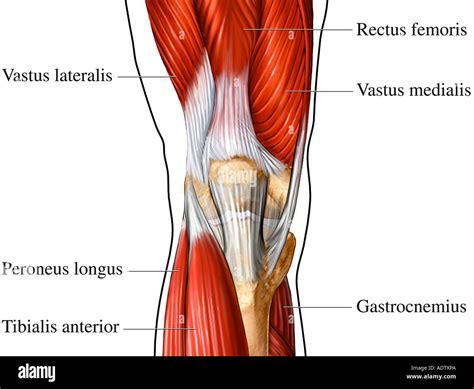
Knee sleeves provide compression, warmth, and proprioceptive feedback to your knees. They can help increase blood flow, reduce discomfort during heavy squats, and give a psychological sense of security. While they don’t prevent all knee injuries, they offer excellent support and can aid recovery. Knee wraps, on the other hand, provide more significant elastic support and are often used by powerlifters for maximal lifts.
Grip & Protection: Enhancing Your Hold
Losing your grip mid-lift can be frustrating and even dangerous. Several tools can enhance your hold and protect your hands.
Lifting Straps
When your grip is the limiting factor in pulling exercises (deadlifts, rows, pull-ups), lifting straps become essential. They secure your hands to the bar, allowing you to focus on engaging the target muscles and lifting heavier weights without worrying about grip fatigue. Use them judiciously to avoid neglecting grip strength development.
Chalk
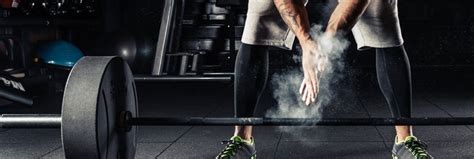
Magnesium carbonate chalk absorbs sweat and increases friction between your hands and the bar, providing a superior grip. It’s a simple, effective solution for preventing slips during heavy lifts and gymnastics movements.

Gloves (Optional)
While some lifters prefer the direct feel of the bar, gloves can prevent calluses and offer a bit of extra grip. They are more a matter of personal preference than a critical performance enhancer for most strength training, but can be useful for those prone to hand discomfort.
Beyond the Lift: Mobility & Recovery Aids
While not strictly “lifting gear,” these items are crucial for maintaining range of motion and aiding recovery, directly impacting your ability to lift safely and effectively over time.
Resistance Bands
Versatile for warm-ups, cool-downs, activation exercises, and assisted pull-ups. Bands can improve mobility, activate specific muscle groups, and aid in stretching, all contributing to better movement patterns and reduced injury risk.
Foam Rollers & Massage Balls
These self-myofascial release tools help alleviate muscle tightness, improve flexibility, and aid in recovery, preparing your body for the next challenging workout.

Making the Investment
The right gym gear is an investment in your fitness journey, offering tangible benefits in performance, comfort, and most importantly, injury prevention. By equipping yourself with these essentials, you’re not just lifting weights; you’re building a stronger, more resilient self, ensuring your time in the gym is as effective and safe as possible. Prioritize quality, understand the purpose of each item, and you’ll be well on your way to achieving your peak strength potential while keeping injuries at bay.