


Essential gear for peak performance: Durability, efficiency, value?

The Pillars of Peak Performance: Beyond the Price Tag
In any endeavor, be it professional, athletic, or a passion project, the tools you employ can significantly impact your output and experience. Achieving peak performance isn’t solely about skill or effort; it’s also about equipping yourself with gear that supports, rather than hinders, your potential. But how do you discern truly essential gear from mere accessories? The answer lies in a critical evaluation of three interconnected attributes: durability, efficiency, and value.
Durability: Built to Last, Designed to Perform
Durability is more than just an item’s ability to withstand a few bumps; it’s about its resilience under sustained, demanding conditions. For peak performance gear, durability means reliability. It implies materials that resist wear and tear, construction methods that ensure structural integrity, and components that won’t fail when you need them most. A durable piece of equipment reduces the risk of unexpected breakdowns, minimizes downtime, and ultimately, safeguards your investment and your progress.
- Material Science: Look for advanced alloys, high-grade polymers, reinforced fabrics, and water-resistant coatings where appropriate.
- Construction Quality: Evaluate stitching, welding, joints, and overall assembly. Are stress points reinforced?
- Longevity & Reliability: Durable gear often comes with longer warranties or a proven track record in demanding environments.
Efficiency: Optimizing Effort, Maximizing Output
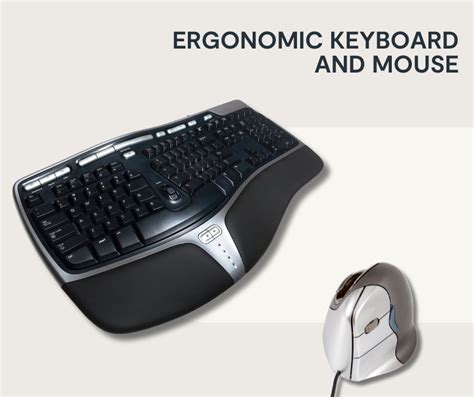
Efficiency in gear refers to its ability to help you achieve your goals with minimal wasted effort, time, or resources. An efficient tool simplifies complex tasks, enhances comfort, and reduces energy expenditure, allowing you to focus on performance rather than fighting your equipment. This could manifest as lightweight design in athletic gear, ergonomic considerations in professional tools, or intuitive interfaces in technology.
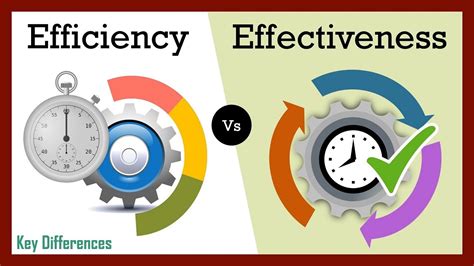
Consider how a piece of gear streamlines your process:
- Ergonomics: Does it fit well and reduce strain?
- Weight-to-Performance Ratio: Does its weight contribute positively or negatively to its function?
- User Interface & Ease of Use: Is it intuitive and quick to operate?
- Energy Consumption: For electronic devices, is it optimized for battery life or power usage?
Value: Beyond the Initial Price Tag
The concept of value is arguably the most complex, as it extends far beyond the sticker price. True value encompasses the long-term return on investment (ROI), the cost-per-use, and the peace of mind that comes with reliable, high-performing equipment. Cheaper gear might save money upfront but could cost more in replacements, repairs, or compromised performance. High-value gear, on the other hand, often pays for itself through extended lifespan, superior results, and enhanced safety.
When assessing value, ask yourself:
- What is the expected lifespan of this product compared to its cost?
- How much will it save me in terms of time, effort, or potential future costs (e.g., medical, replacement)?
- Does it offer features or performance that genuinely justify a higher price point?
- What is the resale value or the longevity of its utility?
The Interplay: Durability, Efficiency, and Value Combined
These three pillars are not isolated attributes but are deeply interconnected. Highly durable gear often maintains its efficiency over a longer period, thus providing exceptional long-term value. Conversely, a piece of gear that is incredibly efficient might be worth a premium price, especially if its efficiency directly translates to significant time or effort savings, even if its durability is only moderate. The goal is to find the optimal balance for your specific needs and budget.

A smart gear selection process involves weighing these factors against each other, understanding that sometimes a compromise in one area might be acceptable for a significant gain in another. For instance, a cutting-edge racing bicycle might prioritize extreme efficiency and lightness over absolute durability, acknowledging that its value comes from marginal gains in speed, not necessarily an indefinite lifespan.
Conclusion: Making Informed Gear Choices
To truly unlock peak performance, your gear must be more than just functional; it must be a strategic asset. By meticulously evaluating durability, efficiency, and value, you move beyond impulsive purchases and toward informed decisions that empower your endeavors. Invest wisely, and your essential gear will not only meet the demands of your tasks but elevate your performance to new heights, proving to be an invaluable partner in your pursuit of excellence.