




Efficient shave technique to eliminate ingrown hairs & optimize skin health?
Unlock the Secret to a Smooth, Ingrown-Hair-Free Shave
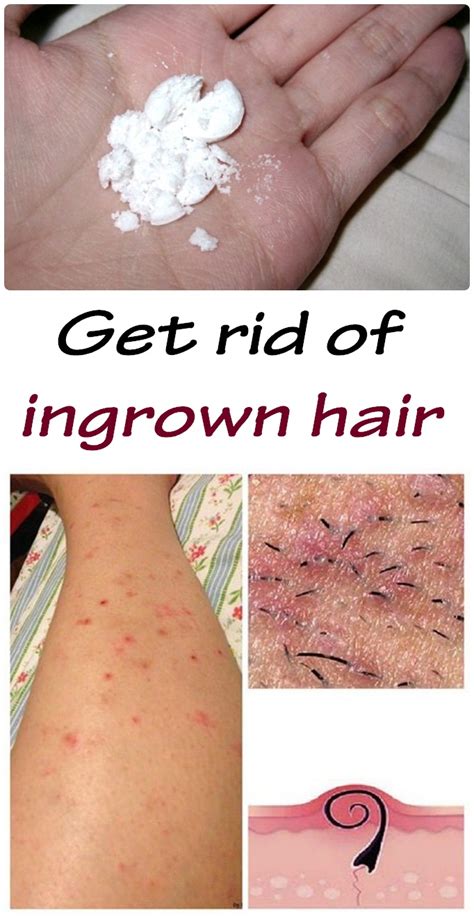
For many, shaving is a daily ritual fraught with potential irritation, razor burn, and the dreaded ingrown hair. These uncomfortable bumps occur when hair curls back into the skin instead of growing outwards, often leading to inflammation and infection. However, with the right technique and attention to detail, you can transform your shaving experience from a chore into a beneficial grooming practice that leaves your skin feeling smooth, healthy, and completely free of ingrown hairs.
This article will guide you through an efficient shaving technique, from meticulous preparation to crucial aftercare, ensuring optimal skin health and a noticeably better shave every time.
Preparation: The Foundation of a Great Shave
Proper preparation is arguably the most critical step in preventing ingrown hairs and achieving a comfortable shave. It softens the hair, opens pores, and creates a clean canvas for your razor.
- Exfoliate Gently: 12-24 hours before shaving, use a mild physical or chemical exfoliant to remove dead skin cells and lift any trapped hairs. This helps prevent hairs from getting caught under the skin surface.
- Warm Water & Steam: Before you even pick up your razor, take a warm shower or apply a warm, damp towel to the area you plan to shave for at least 2-3 minutes. This softens the hair follicles and relaxes the skin, making the hairs easier to cut.
- Pre-Shave Oil: A quality pre-shave oil creates a protective barrier between your skin and the razor, providing extra lubrication and further softening stubborn hairs. Apply a thin layer and massage it in gently.

Choosing and Using the Right Tools
Your razor and shaving cream play a significant role in the outcome of your shave. Investing in quality tools and using them correctly can drastically reduce irritation and ingrown hairs.
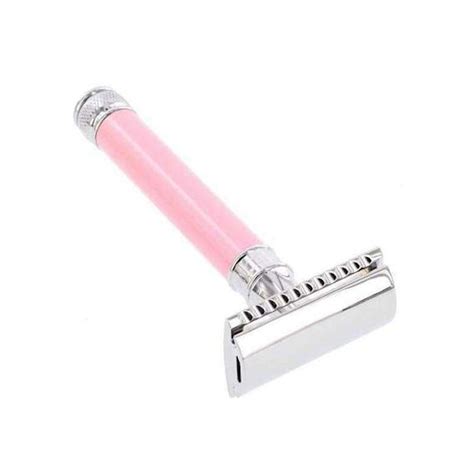
- Single Blade vs. Multi-Blade: While multi-blade razors offer a close shave, they often cut hair below the skin’s surface, increasing the risk of ingrown hairs. A single-blade safety razor or a good quality electric shaver that doesn’t pull the hair too much is often recommended for those prone to ingrowns.
- Sharp Blades are Non-Negotiable: A dull blade will tug and pull at your hair, leading to irritation and an uneven cut. Change your razor blade every 5-7 shaves, or at the first sign of dullness or discomfort.
- Quality Shave Cream/Soap: Opt for a rich, hydrating shave cream or soap that creates a thick lather. This provides excellent cushion and glide, minimizing friction and protecting your skin. Avoid aerosol gels with harsh chemicals.

Mastering the Shave Stroke
The actual act of shaving requires precision and a light touch. Incorrect technique is a primary cause of razor burn and ingrown hairs.
- Shave With the Grain: Always shave in the direction your hair grows. While shaving against the grain might feel like a closer shave, it pulls the hair up and cuts it too short, making it more likely to retract below the skin surface and become ingrown.
- Light Pressure: Let the weight of the razor do the work. Pressing down too hard doesn’t give a closer shave; it only increases irritation and the risk of nicks and cuts.
- Short, Controlled Strokes: Use short (about an inch long), deliberate strokes. Rinse your razor frequently under warm water to clear away hair and cream buildup, ensuring a clean cut.
- Avoid Multiple Passes: Limit the number of passes over the same area. If you need a closer shave, re-lather and go with the grain again, applying minimal pressure.
- Stretch, Don’t Pull: Gently stretch your skin taut with your free hand to create a flat surface for the razor. Avoid pulling the skin excessively, as this can lead to uneven cuts.

Post-Shave Care: Soothe and Protect
What you do immediately after shaving is just as important as the preparation and the shave itself in maintaining skin health and preventing irritation.
- Rinse with Cool Water: After you’ve finished shaving, rinse your face with cool water to close your pores and remove any residual shaving cream or loose hairs.
- Pat Dry Gently: Use a clean, soft towel to gently pat your skin dry. Do not rub, as this can cause irritation.
- Apply Aftershave Balm or Moisturizer: Choose an alcohol-free aftershave balm or a non-comedogenic moisturizer. Alcohol can be drying and irritating. Look for ingredients like aloe vera, glycerin, hyaluronic acid, or witch hazel to soothe, hydrate, and protect your freshly shaven skin.
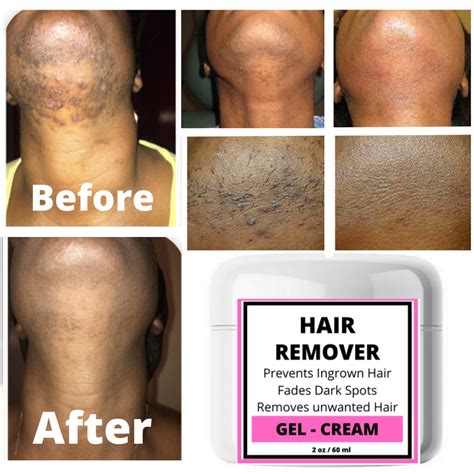
- Consider Ingrown Hair Prevention Products: If you are highly prone to ingrown hairs, incorporate a specialized ingrown hair serum or lotion containing salicylic acid or glycolic acid (applied 12-24 hours post-shave, not immediately after) into your routine a few times a week.

Additional Tips for Stubborn Ingrown Hairs
If you still experience persistent ingrown hairs, consider these additional measures:
- Give Your Skin a Break: Allow your skin to rest by skipping shaving for a day or two, especially if irritation is present.
- Blade Hygiene: Always store your razor in a clean, dry place to prevent bacterial growth.
- Never Pick: Resist the urge to pick at or squeeze ingrown hairs. This can introduce bacteria, worsen inflammation, and lead to scarring. Instead, use a warm compress to help bring the hair to the surface.
- Consider Alternatives: If ingrown hairs remain a significant problem, explore alternative hair removal methods like laser hair removal, which can reduce hair growth over time.
Conclusion
Achieving a smooth, ingrown-hair-free shave and optimizing your skin health is entirely within reach with a thoughtful and efficient technique. By prioritizing meticulous preparation, using the right tools, mastering gentle strokes with the grain, and practicing diligent post-shave care, you can significantly reduce irritation and prevent those pesky ingrown hairs. Embrace these steps, and enjoy the confidence that comes with healthy, beautifully smooth skin every day.