




Dietary strategies to naturally boost male testosterone & performance?
Understanding Testosterone’s Role and Dietary Impact
Testosterone, the primary male sex hormone, plays a crucial role not only in libido and muscle mass but also in energy levels, mood, bone density, and overall metabolic health. While levels naturally decline with age, modern lifestyles and poor dietary choices can accelerate this process. Fortunately, nutrition offers a powerful, natural avenue to support and optimize testosterone production and male performance.
Embracing a diet rich in specific macronutrients and micronutrients can significantly impact hormonal balance, energy, and physical capabilities. This article will explore key dietary strategies and foods that can help you naturally boost testosterone and enhance overall male performance.
Macronutrient Balance: The Foundation of Hormone Health
1. Adequate Healthy Fats
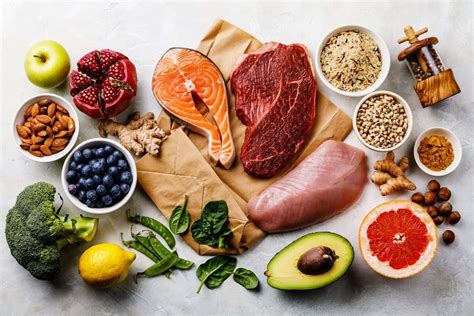
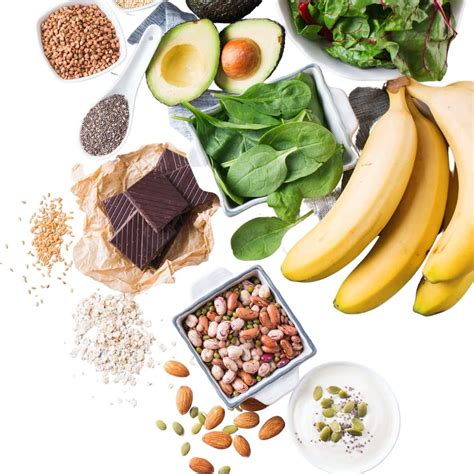
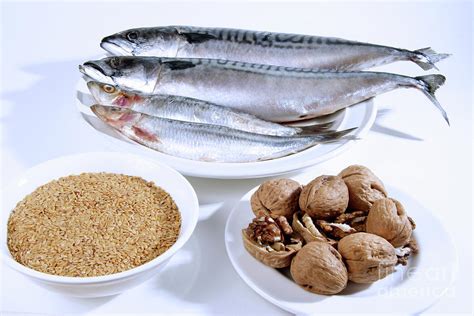
Cholesterol, a precursor to testosterone, is essential. Don’t fear healthy fats; they are vital for hormone synthesis. Focus on monounsaturated and polyunsaturated fats. Sources include avocados, olive oil, nuts (almonds, walnuts), seeds (chia, flax, pumpkin), and fatty fish like salmon and mackerel. These fats also help reduce inflammation, which can otherwise hinder hormone production.
2. Sufficient Protein Intake
Protein is crucial for muscle repair, growth, and overall bodily function. While not directly boosting testosterone, adequate protein intake supports a healthy metabolism and body composition, both of which are indirectly linked to optimal hormone levels. Aim for lean protein sources such as chicken breast, turkey, eggs, lean beef, fish, and legumes.
3. Smart Carbohydrate Choices
While low-carb diets are popular, extremely restrictive carbohydrate intake can sometimes elevate cortisol (stress hormone) and negatively impact testosterone. Focus on complex carbohydrates from whole grains (oats, quinoa, brown rice), fruits, and vegetables. These provide sustained energy and essential fiber without causing drastic blood sugar spikes.
Micronutrients: Essential Cofactors for Testosterone Synthesis
Certain vitamins and minerals are critical for the enzymatic processes involved in testosterone production:
- Vitamin D: Often called the ‘sunshine vitamin,’ Vitamin D acts as a steroid hormone in the body and is strongly correlated with testosterone levels. Boost intake through sun exposure, fatty fish, fortified foods, and potentially supplementation under medical guidance.
- Zinc: This mineral is vital for testosterone production and sperm quality. Deficiencies are common and can lead to reduced testosterone. Excellent sources include oysters, red meat, poultry, beans, nuts, and whole grains.
- Magnesium: Involved in over 300 biochemical reactions in the body, magnesium can increase free and total testosterone levels, especially in active individuals. Found in leafy green vegetables, nuts, seeds, whole grains, and dark chocolate.
- Vitamin K2: Emerging research suggests Vitamin K2 plays a role in testicular health and testosterone production. Good sources include fermented foods like natto, certain cheeses, and egg yolks.
Foods to Incorporate Regularly
- Oysters and Shellfish: King of zinc content, these are potent testosterone supporters.
- Fatty Fish (Salmon, Mackerel, Sardines): Rich in Omega-3 fatty acids and Vitamin D.
- Eggs: A complete protein source, containing healthy cholesterol, Vitamin D, and selenium.
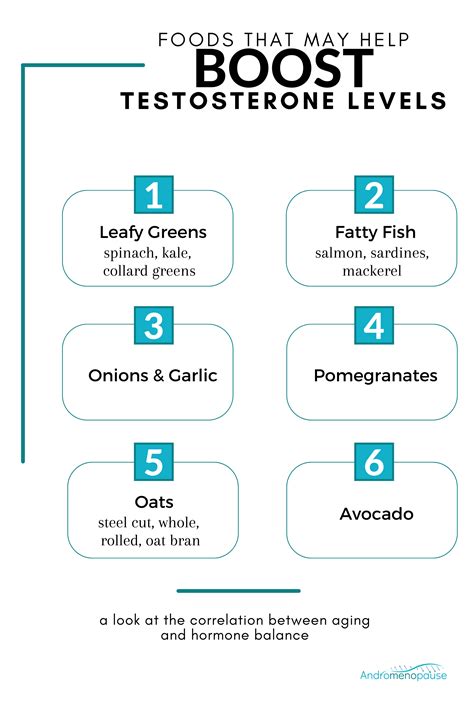
- Leafy Green Vegetables (Spinach, Kale, Swiss Chard): Packed with magnesium and other essential vitamins.
- Cruciferous Vegetables (Broccoli, Cauliflower, Cabbage): Contain Indole-3-carbinol (DIM), which helps metabolize estrogen, potentially allowing for higher free testosterone levels.
- Garlic: Contains allicin, which may help lower cortisol, indirectly supporting testosterone.
- Berries and Antioxidant-Rich Fruits: Help combat oxidative stress, which can negatively impact hormone health.
Foods to Limit or Avoid
Just as important as what you eat is what you avoid:
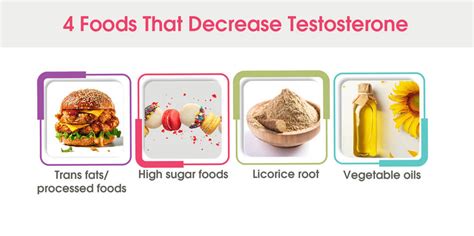
- Processed Foods and Sugary Drinks: Contribute to inflammation, weight gain, and insulin resistance, all detrimental to testosterone.
- Excessive Alcohol: Can disrupt the endocrine system and impair testosterone synthesis.
- Unhealthy Trans Fats: Found in many fried and processed foods, these negatively impact cardiovascular health and hormone function.
- Soy Products (in excess): Some studies suggest high intake of soy isoflavones might have estrogenic effects, though more research is needed for definitive conclusions regarding male hormones.
Beyond diet, complementary lifestyle factors like adequate sleep, stress management, and regular strength training exercise are pivotal in supporting healthy testosterone levels and overall male performance.

Conclusion
Optimizing male testosterone and performance naturally is a multi-faceted endeavor, with diet forming a cornerstone. By prioritizing healthy fats, adequate protein, smart carbohydrates, and a spectrum of vital micronutrients like Vitamin D, Zinc, and Magnesium, men can significantly influence their hormonal health. Coupled with mindful food choices and a supportive lifestyle, these dietary strategies offer a powerful path towards enhanced vitality, energy, and overall well-being.