




Dietary hacks for natural testosterone optimization and male vitality?
Unlocking Male Vitality Through Strategic Dietary Choices
Testosterone, the primary male sex hormone, plays a crucial role in far more than just libido and muscle mass. It influences energy levels, mood, bone density, and overall male vitality. While synthetic interventions exist, many men are seeking natural, sustainable ways to optimize their testosterone levels. The good news? Your plate holds significant power. By making informed dietary choices, you can create an environment within your body conducive to healthy hormone production and enhanced well-being.
Essential Nutrients: Your Testosterone Boosters
Certain vitamins and minerals are non-negotiable for optimal testosterone synthesis and hormone regulation. Ensuring adequate intake of these can make a substantial difference:
Zinc: The Mineral Maestro
- Why it matters: Zinc is vital for testosterone production and helps prevent its conversion to estrogen.
- Food sources: Oysters are king, but also found in red meat, poultry, pumpkin seeds, lentils, and chickpeas.
Vitamin D: The Sunshine Hormone
- Why it matters: Often referred to as a hormone itself, Vitamin D has a strong correlation with testosterone levels. Many men are deficient.
- Food sources: Fatty fish (salmon, mackerel, tuna), fortified dairy products, and sunlight exposure are primary sources.
Magnesium: Muscle and Hormone Support
- Why it matters: Magnesium contributes to free testosterone levels by reducing its binding to sex hormone-binding globulin (SHBG).
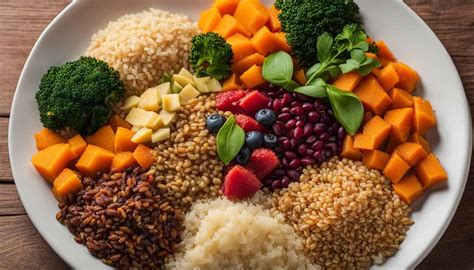
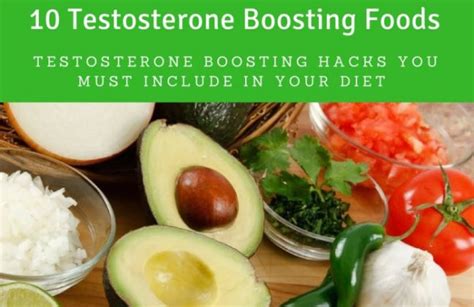
- Food sources: Dark leafy greens (spinach, kale), nuts (almonds, cashews), seeds (flax, chia), avocados, and dark chocolate.
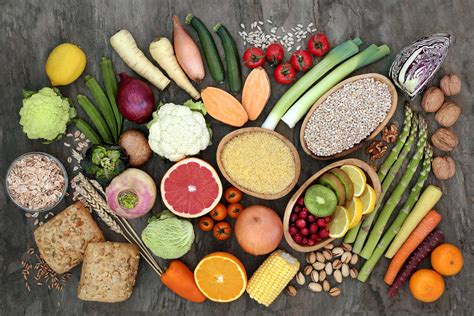
Healthy Fats and Quality Proteins: Building Blocks
Don’t shy away from fats; choose the right ones. They are essential for hormone production, including testosterone.
Embrace Healthy Fats
- Why it matters: Cholesterol, a precursor to testosterone, is derived from dietary fats. Monounsaturated and polyunsaturated fats are particularly beneficial.
- Food sources: Avocados, olive oil, nuts (walnuts, almonds), seeds (flax, chia), fatty fish (salmon, sardines).
Prioritize Lean Protein
- Why it matters: Adequate protein intake supports muscle growth, which in turn can positively influence testosterone levels, and provides amino acids essential for overall health.
- Food sources: Lean meats (chicken, turkey, grass-fed beef), eggs, fish, legumes, and quality dairy.
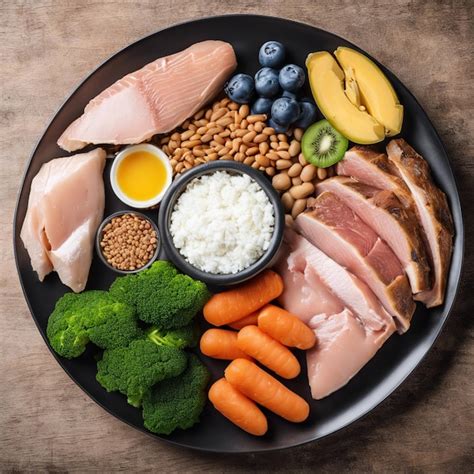
Cruciferous Vegetables and Antioxidant Powerhouses
Beyond macronutrients, specific plant compounds can play a significant role in hormone balance.
Cruciferous Vegetables for Estrogen Balance
- Why it matters: Vegetables like broccoli, cauliflower, Brussels sprouts, and kale contain compounds (e.g., Indole-3-Carbinol) that help the body metabolize excess estrogen, which can otherwise counteract testosterone.
- Food sources: Broccoli, cauliflower, cabbage, kale, Brussels sprouts.
Antioxidant-Rich Foods for Cellular Health
- Why it matters: Oxidative stress can impair hormone production. Antioxidants protect cells from damage, supporting overall endocrine function.
- Food sources: Berries (blueberries, raspberries), dark chocolate, green tea, colorful fruits and vegetables.

Foods and Habits to Limit or Avoid
Just as important as what you eat is what you limit or avoid to prevent negative impacts on testosterone.
- Processed Foods and Sugary Drinks: High sugar intake can lead to insulin resistance and fat gain, both detrimental to testosterone.
- Trans Fats and Excessive Unhealthy Saturated Fats: Found in many fried foods and packaged snacks, these can negatively impact hormone health and cardiovascular well-being.
- Excessive Alcohol: Chronic and heavy alcohol consumption has been linked to decreased testosterone levels.
- Soy in Excess: While moderate soy intake is generally fine for most, very high consumption of soy products containing phytoestrogens may be a concern for some men regarding hormone balance.

Beyond the Plate: A Holistic Approach
While diet is a cornerstone, remember that it works synergistically with other lifestyle factors. Ensure adequate sleep (7-9 hours), manage stress effectively, engage in regular resistance training, and stay well-hydrated. These pillars, combined with a nutrient-dense diet, create the optimal environment for natural testosterone optimization and sustained male vitality.
Conclusion
Optimizing testosterone and enhancing male vitality doesn’t require drastic measures or expensive supplements. It often begins with a thoughtful return to whole, unprocessed foods rich in essential nutrients. By strategically incorporating zinc, Vitamin D, magnesium, healthy fats, quality proteins, and cruciferous vegetables into your daily diet, and by limiting detrimental foods, you can naturally support your body’s hormonal balance and unlock a profound improvement in your overall health and vigor. Consult with a healthcare professional or a registered dietitian for personalized advice.