




Diet for male vitality: What foods naturally boost testosterone for peak performance?

Optimizing Male Vitality Through Nutrition
For men seeking to enhance their vitality, energy, and overall well-being, testosterone plays a pivotal role. This crucial hormone influences everything from muscle mass and bone density to mood, libido, and cognitive function. While medical interventions exist, many men are increasingly turning to natural dietary strategies to support healthy testosterone levels. The good news is that numerous readily available foods are packed with the vitamins, minerals, and healthy fats essential for hormone production and balance.
Understanding which foods to prioritize can make a significant difference in achieving peak performance and maintaining robust male health.
The Importance of Testosterone for Men’s Health
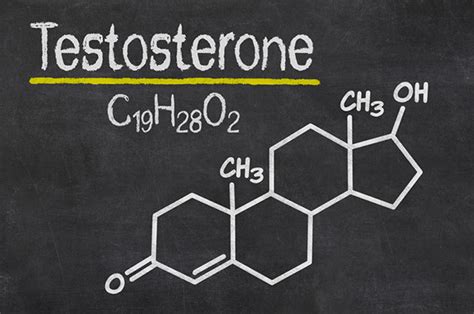
Testosterone is the primary male sex hormone, produced primarily in the testicles. Its influence extends far beyond reproductive health. Healthy testosterone levels are associated with:
- Muscle Mass & Strength: Testosterone is anabolic, aiding in muscle protein synthesis.
- Bone Density: It contributes to strong, healthy bones, reducing the risk of osteoporosis.
- Energy Levels & Mood: Optimal levels can combat fatigue, improve mood, and enhance overall mental well-being.
- Libido & Sexual Function: It is critical for a healthy sex drive and erectile function.
- Red Blood Cell Production: Testosterone stimulates the production of red blood cells in the bone marrow.
Low testosterone (hypogonadism) can lead to a range of undesirable symptoms, including fatigue, decreased libido, loss of muscle mass, increased body fat, and mood disturbances. While aging naturally leads to a gradual decline, diet can play a significant role in mitigating this process and supporting optimal levels.
Key Nutrients and Foods for Testosterone Support
Several vitamins, minerals, and macronutrients are essential for the body’s testosterone production pathway. Incorporating foods rich in these components can naturally boost your levels.
Zinc: The Mineral Powerhouse
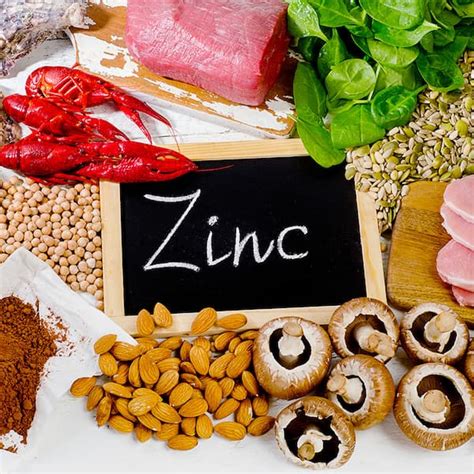
Zinc is a vital mineral that plays a critical role in numerous bodily functions, including hormone production. Research has shown a strong link between zinc deficiency and low testosterone. Adequate zinc intake can help maintain healthy testosterone levels.
- Oysters: Arguably the best dietary source of zinc, a true superfood for male vitality.
- Red Meat: Beef, lamb, and pork are excellent sources.
- Pumpkin Seeds: A great plant-based source, also rich in magnesium.
- Beans & Lentils: Good sources for vegetarians and vegans.
- Nuts: Cashews and almonds provide a decent amount of zinc.
Vitamin D: The Sunshine Vitamin
Often referred to as a hormone itself, Vitamin D is crucial for various physiological processes, including testosterone synthesis. Studies consistently demonstrate a correlation between sufficient Vitamin D levels and higher testosterone.
- Fatty Fish: Salmon, mackerel, tuna, and sardines are excellent sources.
- Fortified Foods: Milk, orange juice, and cereals are often fortified with Vitamin D.
- Egg Yolks: A small but significant source.
- Sun Exposure: The body produces Vitamin D when exposed to sunlight, but this can be unreliable depending on location and season.
Healthy Fats: Essential for Hormone Production
Cholesterol, a type of fat, is a precursor to testosterone. However, not all fats are created equal. Focus on monounsaturated and polyunsaturated fats, as well as some saturated fats from healthy sources, for optimal hormone health.
- Avocados: Rich in monounsaturated fats and Vitamin B6.
- Olive Oil: Extra virgin olive oil is a cornerstone of the Mediterranean diet and a good source of healthy fats.
- Nuts & Seeds: Almonds, walnuts, chia seeds, and flaxseeds provide healthy fats and other beneficial nutrients.
- Fatty Fish: Salmon and other cold-water fish are rich in Omega-3 fatty acids, which can also improve hormonal sensitivity.
Magnesium: An Often Overlooked Mineral
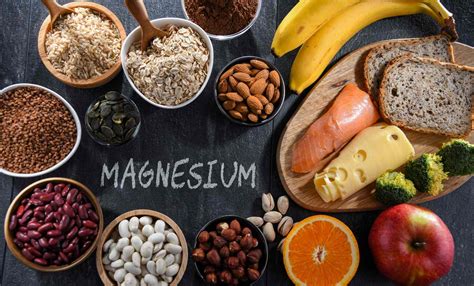
Magnesium is involved in over 300 enzymatic reactions in the body, including those related to testosterone production. It can help increase free and total testosterone levels, especially in physically active men.
- Spinach & Leafy Greens: Excellent sources of magnesium.
- Almonds & Cashews: Good sources, also providing healthy fats and zinc.
- Legumes: Black beans, lentils, and chickpeas.
- Avocados: Another food that’s a multi-nutrient powerhouse.
Cruciferous Vegetables: Estrogen Balance
While not directly boosting testosterone, vegetables like broccoli, cauliflower, Brussels sprouts, and cabbage contain compounds (e.g., indole-3-carbinol) that help the body metabolize and excrete excess estrogen. By promoting a healthier testosterone-to-estrogen balance, they indirectly support higher free testosterone levels.
Antioxidant-Rich Fruits: Pomegranates & Berries
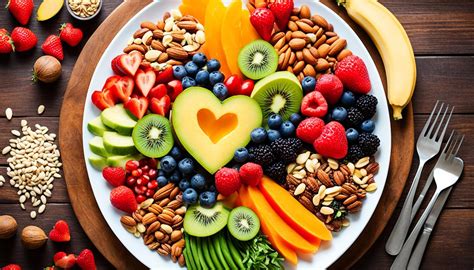
Pomegranates have been linked in some studies to increased testosterone and improved mood. Their high antioxidant content helps reduce oxidative stress, which can negatively impact hormone production. Similarly, berries (blueberries, raspberries, strawberries) are rich in antioxidants that support overall cellular health and can contribute to a robust hormonal environment.
Integrating Testosterone-Boosting Foods into Your Diet
Making conscious choices to include these foods daily is key. Here are some practical tips:
- Breakfast: Add pumpkin seeds to oatmeal, have eggs with spinach.
- Lunch: Include lean beef or lentils in salads, use olive oil for dressing.
- Snacks: A handful of almonds, an avocado toast, or an apple with cashew butter.
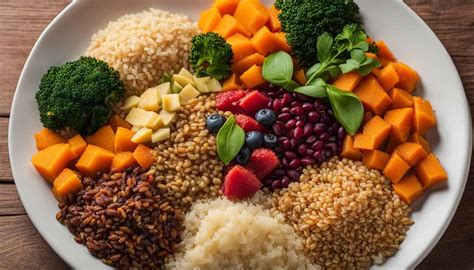
- Dinner: Serve salmon with steamed broccoli and brown rice, or a lean cut of red meat with a side of spinach.

Beyond Diet: A Holistic Approach
While diet is foundational, remember that male vitality and healthy testosterone levels are part of a broader lifestyle picture. Adequate sleep (7-9 hours), regular resistance training, stress management, and limiting alcohol intake also significantly contribute to hormonal health.
Conclusion
Naturally boosting testosterone for peak performance and vitality is an achievable goal through strategic dietary choices. By prioritizing zinc, Vitamin D, healthy fats, magnesium, and antioxidant-rich foods, men can create an optimal internal environment for hormone production. Couple these nutritional changes with a healthy lifestyle, and you’ll be well on your way to enhanced energy, improved mood, and overall robust male vitality. Always consult with a healthcare professional before making significant dietary changes, especially if you have underlying health conditions.