




Combat ingrown hairs for a sharper, discomfort-free shave?

Understanding the Menace: What Are Ingrown Hairs?
Ingrown hairs, often referred to as razor bumps, are a common and irritating dermatological issue, particularly for those who shave, wax, or tweeze. They occur when a hair curls back or grows sideways into the skin instead of growing out and upwards. This can lead to inflammation, redness, itching, and sometimes painful, pus-filled bumps that not only detract from a clean shave but can also lead to scarring or infection if not properly managed.

Why Do They Happen? Common Causes and Risk Factors
Several factors contribute to the formation of ingrown hairs. Individuals with curly or coarse hair are inherently more prone, as the hair’s natural curvature makes it easier to re-enter the skin. However, improper shaving techniques are often the primary culprit. Shaving too closely, using dull razors, shaving against the grain, or failing to adequately prepare the skin can all force hair back into the follicle or create sharp tips that struggle to break through the skin’s surface.
- Curly/Coarse Hair: The natural curl of the hair increases the likelihood of it growing back into the skin.
- Dull Blades: Drag and pull hair, leading to uneven cuts and irritation.
- Shaving Against the Grain: Cuts hair too short and at an angle that encourages re-entry.
- Dry or Unprepared Skin: Lacks lubrication, making the shave harsher and less smooth.
- Clogged Pores: Dead skin cells can block hair follicles, trapping growing hairs underneath.
Proactive Prevention: Steps for a Discomfort-Free Shave
The best defense against ingrown hairs is a good offense. Adopting a meticulous grooming routine can drastically reduce their occurrence.
1. Prepare Your Skin Thoroughly
- Warm Shower/Hot Towel: Soften your skin and hair by shaving after a warm shower or by applying a hot, damp towel to the area for a few minutes. This opens pores and makes hair more pliable.
- Exfoliate Regularly: Use a gentle physical scrub or chemical exfoliant (like salicylic or glycolic acid) 2-3 times a week, and especially before shaving. This removes dead skin cells that can trap hairs.
- Pre-Shave Oil: Apply a pre-shave oil to create a protective barrier, improve razor glide, and further soften hair.

2. Master Your Shaving Technique
- Use a Sharp Razor: Always use a clean, sharp razor blade. Dull blades tug at hair, causing irritation and uneven cuts. Replace cartridges frequently (every 5-7 shaves).
- Shave With the Grain: Identify the direction your hair grows and shave in that direction. This might not give the closest shave, but it significantly reduces irritation and the chance of ingrown hairs. For a closer shave, you can do a second pass across the grain, but never against it if you’re prone to bumps.
- Light Pressure: Let the razor do the work. Pressing too hard pulls the skin taut, allowing the blade to cut hair below the skin’s surface.
- Rinse Blade Frequently: Rinse your razor under hot water after every couple of strokes to prevent clogging from hair and shaving cream.
- Stretch Skin Minimally: While stretching skin can get a closer shave, it also allows the hair to retract further below the surface when released, increasing the risk of ingrowns.

3. Post-Shave Care is Crucial
- Rinse with Cold Water: After shaving, rinse your face with cold water to close pores and soothe the skin.
- Apply Aftershave/Balm: Use an alcohol-free aftershave balm with soothing ingredients like aloe vera or witch hazel. Look for products containing salicylic acid or glycolic acid to keep follicles clear, but avoid harsh alcohol-based products that can dry and irritate the skin.
- Moisturize: Finish with a good quality, non-comedogenic moisturizer to keep your skin hydrated and supple.

4. Consider Your Tools
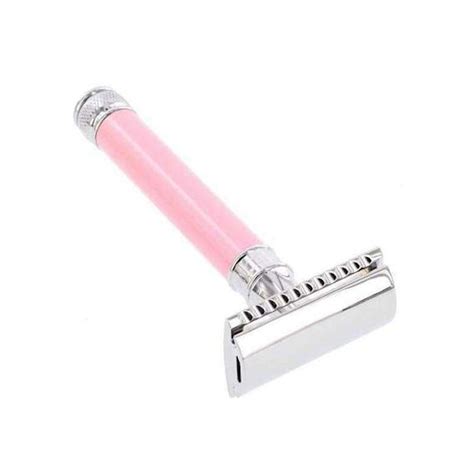
- Single-Blade Razor: For many, a safety razor or single-blade razor is less irritating than multi-blade cartridges, as it cuts hair at skin level rather than pulling and cutting multiple times below the surface.
- Electric Shaver: A good quality electric shaver can also be an excellent alternative, as it often provides a less aggressive shave than a blade, leaving hairs slightly longer and less prone to re-entering the skin.
- Hair Clippers: For sensitive areas, trimming with clippers to leave a very short stubble might be the best option.
Dealing with Existing Ingrown Hairs
If an ingrown hair appears despite your best efforts, resist the urge to pick or squeeze it, as this can worsen inflammation and lead to infection or scarring.
- Warm Compress: Apply a warm compress to the affected area several times a day. This can help soften the skin and encourage the hair to emerge naturally.
- Gentle Exfoliation: Once the hair appears close to the surface, very gently exfoliate the area with a soft washcloth or a product containing salicylic acid to help free the trapped hair.
- Sterile Tweezers: Only if the hair loop is clearly visible above the skin, you can gently tease it out with sterile tweezers. Do NOT pull the hair out completely, as this can reset the cycle; just free the embedded tip.
- Topical Treatments: Over-the-counter creams containing hydrocortisone can reduce inflammation, while products with benzoyl peroxide can help with any associated pustules.

When to Seek Professional Help
If ingrown hairs are persistent, severe, or become infected, it’s wise to consult a dermatologist. They can provide prescription-strength treatments, safely extract stubborn hairs, or discuss options like laser hair removal for a more permanent solution.
Embrace a Smoother Shave
Battling ingrown hairs can be frustrating, but by understanding their causes and implementing a consistent, mindful grooming routine, you can significantly reduce their occurrence. Investing in proper tools, mastering your shaving technique, and prioritizing skin preparation and aftercare will not only lead to fewer ingrown hairs but also to a healthier, sharper, and far more comfortable shave experience.