
Simple meal prep ideas for weight loss?
Discover simple and effective meal prep strategies to streamline your weight loss journey, featuring practical tips and delicious, healthy recipe ideas for a balanced diet.
Redefining Men’s Lifestyle for Peak Performance.






Discover simple and effective meal prep strategies to streamline your weight loss journey, featuring practical tips and delicious, healthy recipe ideas for a balanced diet.

Dietary fiber is a powerful ally in the quest for satiety and effective weight management, helping you feel fuller for longer while supporting overall digestive health.
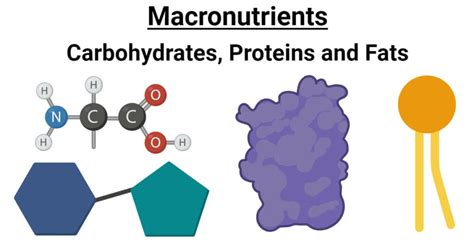
Fats, also known as lipids, are the macronutrient that provides the body with the most concentrated source of energy, yielding approximately 9 calories per gram.

Lycopene, a potent carotenoid abundantly found in tomatoes, is widely recognized for its significant role in supporting men’s prostate health and potentially reducing the risk of certain conditions.

Lycopene, a vibrant red carotenoid antioxidant, is widely recognized and frequently discussed for its potential role in supporting and maintaining prostate health in men.

Adequate magnesium intake is vital for men, playing a critical role in optimizing muscle contraction, energy production, and nerve function, while also significantly influencing testosterone levels by reducing its binding to SHBG.
Zinc is a frequently discussed micronutrient crucial for prostate health, found abundantly in foods like oysters, red meat, nuts, and beans.

Specific dietary fats, including monounsaturated, moderate saturated, and omega-3 polyunsaturated fats, are crucial for supporting healthy testosterone levels in men by providing essential building blocks and reducing inflammation.

Vitamin D, a vital fat-soluble nutrient, is essential not only for robust bone health but also plays a significant, often overlooked, role in regulating male hormones, particularly testosterone.

While no official Recommended Daily Allowance exists, research suggests that a regular dietary intake of 5-30 mg of lycopene, primarily from cooked tomato products, may offer significant benefits for prostate health in men.