




Break strength plateaus: optimize squats & deadlifts for peak gains?

Conquering the Wall: Strategies for Unstoppable Strength
Every serious lifter eventually hits a wall. That frustrating moment when your squats and deadlifts, once steadily climbing, suddenly refuse to budge. These strength plateaus aren’t a sign of failure; they’re an inevitable part of the journey. The good news is, with the right approach and a deeper understanding of optimization, you can not only break through them but emerge stronger than ever. This article will guide you through advanced techniques and strategic adjustments for your squats and deadlifts, designed to ignite new growth and propel you toward peak performance.
Understanding Your Strength Plateau: Why You’re Stuck
Before you can break through a plateau, you need to understand its root cause. Often, it’s not just one factor but a combination. Common culprits include:
- Overtraining/Under-recovery: Pushing too hard without adequate rest can lead to diminishing returns and chronic fatigue. Your central nervous system needs time to recover.
- Suboptimal Programming: Sticking to the same sets, reps, and exercises indefinitely will inevitably lead to adaptation and stagnation. Your body needs new stimuli.
- Form Breakdown: As weights get heavier, subtle imperfections in form can become significant obstacles, limiting your ability to lift more safely and efficiently.
- Nutritional Deficiencies: Insufficient calories, protein, or micronutrients can severely hinder recovery and muscle growth, making strength gains impossible.
- Lack of Variety/Accessory Work: Neglecting weaker muscle groups or failing to incorporate variations can create imbalances that cap your potential.
Optimizing Your Squat: Building an Unshakeable Foundation
The squat is king, but even kings need refinement. To optimize your squat for peak gains and plateau busting, consider these areas:
1. Form Refinement and Mobility
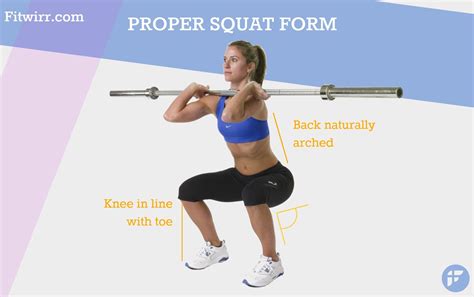
Perfecting your squat form is an ongoing process. Video yourself regularly to identify sticking points, depth issues, or imbalances. Focus on ankle, hip, and thoracic mobility. Incorporate drills like:
- Deep goblet squats (for depth and core engagement)
- Prying squats (for hip mobility)
- Ankle mobility drills (wall ankel dorsiflexion)
2. Strategic Squat Variations
Introduce variations to target different weaknesses and provide novel stimuli:
- Pause Squats: Holding at the bottom for 2-3 seconds builds strength out of the hole and improves stability.
- Tempo Squats: Slowing down the eccentric (lowering) phase enhances time under tension and teaches control.
- Box Squats: Helps with depth perception, reinforces hip drive, and can de-emphasize the stretch reflex.
- Front Squats: Great for core strength, upper back tightness, and quad development, which can carry over to back squats.
3. Targeted Accessory Work
Address specific weaknesses. If your quads are lagging, add lunges or leg presses. If your glutes/hamstrings are weak, incorporate glute-ham raises or RDLs. Core strength is paramount; don’t neglect planks, anti-rotation exercises, and ab wheel rollouts.
Optimizing Your Deadlift: Pulling Your Way to New Records
The deadlift is the ultimate test of raw strength. To conquer deadlift plateaus, a meticulous approach to technique and programming is essential.
1. Master Your Setup and Bracing
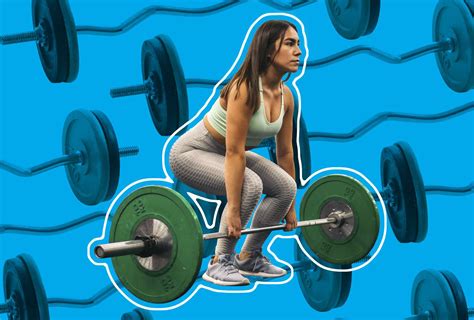
The deadlift is won or lost before the bar leaves the floor. Focus on a consistent setup:
- Foot Position: Whether conventional or sumo, find what allows for optimal leverage.
- Hip Height: Too high or too low can put you in a weak position.
- Lats Engagement: Pull your lats down and back to keep the bar close and spine stable.
- Full Body Bracing: Take a deep breath into your belly, brace your core like you’re about to be punched, and hold it.
2. Incorporate Deadlift Variations
Like squats, variations can target sticking points and build specific strength:
- Deficit Deadlifts: Standing on a raised platform increases the range of motion, improving strength off the floor.
- Rack Pulls/Block Pulls: Starting the lift from an elevated position (e.g., above the knees) helps strengthen the lockout.
- Romanian Deadlifts (RDLs): Excellent for hamstring and glute development, reinforcing the hip hinge pattern.
- Snatch/Clean Grip Deadlifts: Using a wider grip can help improve upper back strength and stability.
3. Build Grip Strength
Weak grip is a common deadlift limiter. Incorporate:
- Farmer’s walks
- Plate pinches
- Barbell holds
- Utilize mixed grip or straps strategically (e.g., straps for heavy top sets to focus on back strength, but unstrapped for warm-ups and lighter work).
The Holistic Approach: Fuel, Rest, and Mindset
Even the most perfect programming will fail without a solid foundation of recovery and nutrition. These elements are non-negotiable for breaking plateaus.
1. Optimize Nutrition
- Calorie Intake: Ensure you’re eating enough to support recovery and muscle growth. A slight surplus may be necessary during intense training phases.
- Protein: Aim for 1.6-2.2 grams of protein per kilogram of body weight to support muscle repair and synthesis.
- Carbohydrates: Fuel your workouts and replenish glycogen stores with adequate complex carbohydrates.
- Fats: Essential for hormone production and overall health.
- Hydration: Often overlooked, proper hydration is crucial for performance and recovery.
2. Prioritize Recovery
- Sleep: Aim for 7-9 hours of quality sleep per night. This is when the magic of muscle repair and growth happens.
- Active Recovery: Light cardio, stretching, or foam rolling can improve blood flow and reduce muscle soreness.
- Deload Weeks: Periodically reduce volume and intensity to allow your body and mind to fully recover and resensitize to training.
3. Cultivate a Strong Mindset
Strength gains are as much mental as they are physical. Believe in your ability to break through. Visualize successful lifts, stay consistent, and be patient. Plateaus are temporary, but resilience is permanent.

Strategic Programming for Sustained Growth
Implementing periodization is key. Don’t just lift heavy all the time. Cycle through different phases:
- Accumulation Phase: Higher volume, moderate intensity to build work capacity.
- Intensification Phase: Lower volume, higher intensity, focusing on heavy singles/doubles/triples.
- Realization Phase: Peaking for a new personal best.
Consider programs like 5/3/1, RPE-based training, or structured powerlifting programs that inherently build in variety and progression.
Conclusion: The Path to Uninterrupted Progress
Breaking strength plateaus in squats and deadlifts requires a multi-faceted approach. It’s not just about lifting heavier; it’s about lifting smarter, recovering better, and fueling adequately. By meticulously refining your form, strategically incorporating variations, addressing weaknesses through accessory work, and prioritizing nutrition and recovery, you can transform stagnation into a springboard for unprecedented gains. Embrace the challenge, stay consistent, and watch as your squats and deadlifts ascend to new heights.